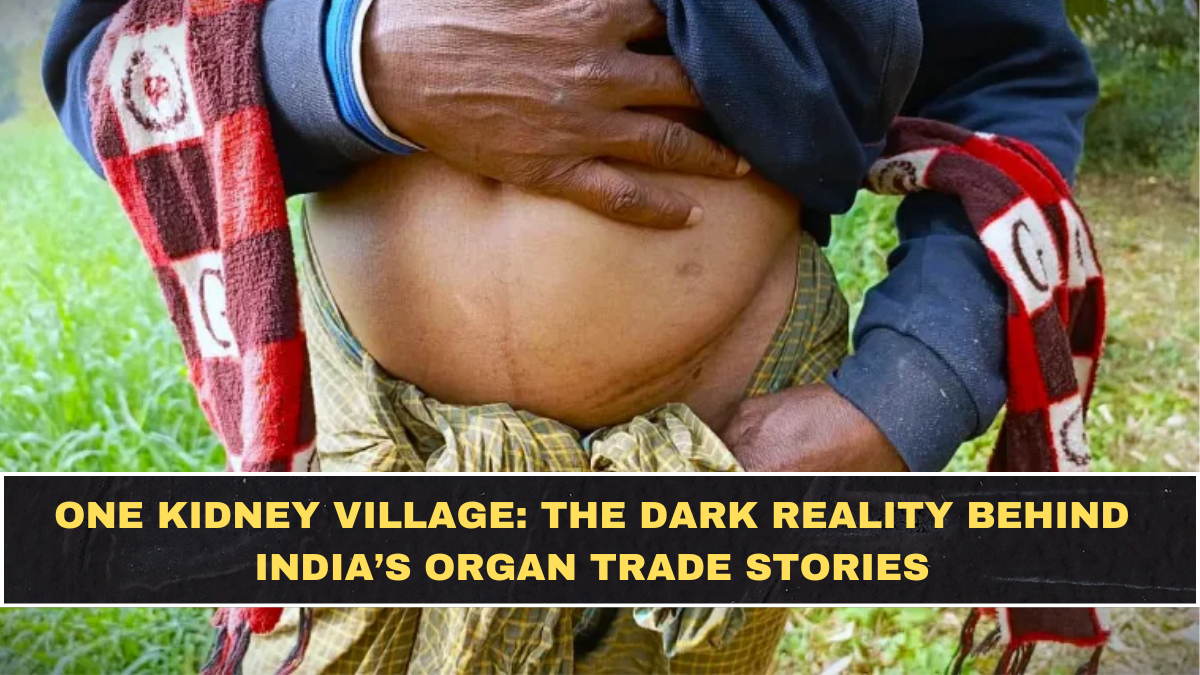
“One kidney village” is not just a shocking phrase made for viral headlines. It describes communities where poverty, debt and organised organ brokers push desperate people into selling a kidney for survival. The phrase has been used for places in Afghanistan, Nepal and Bangladesh, while India often appears in the story as a transplant destination or part of the trafficking route.
The most uncomfortable truth is that people rarely sell organs because they want luxury. They usually do it because they are trapped by debt, unemployment, medical bills or hunger. Brokers exploit that weakness by promising quick money, hiding health risks and using fake documents to make illegal deals look legitimate.

Is There Really A One Kidney Village In India?
Many viral posts use the phrase “one kidney village India,” but the most widely reported “kidney village” cases are linked to places like Hokse in Nepal, Afghanistan’s Herat region and Bangladesh’s poor donor belts. However, India is still deeply connected to the issue because several reports have linked trafficked donors from neighbouring countries to transplant rackets involving Indian hospitals, brokers or fake paperwork.
This distinction matters. Calling it only an “Indian village” can be misleading, but pretending India has no role is also dishonest. India has seen illegal kidney racket cases, cross-border donor exploitation and transplant fraud investigations. The real story is regional: poverty supplies vulnerable bodies, and demand for organs creates a black market.
| Layer Of The Problem | What It Means |
|---|---|
| Poverty | People sell organs to repay debt or survive |
| Brokers | Middlemen promise money and hide risks |
| Fake paperwork | Donors may be shown as relatives to bypass rules |
| Medical networks | Illegal transplants need access to healthcare systems |
| Weak awareness | Victims often do not understand long-term health damage |
Why Do People Sell A Kidney?
The answer is brutal: because desperation beats fear. A poor person with debt, no job and no safety net may see kidney selling as the only fast option. Brokers then use emotional manipulation, lies and false medical claims to make the deal look safe.
In Nepal’s “Kidney Valley,” reports have described villagers being tricked or pushed into selling kidneys, with some told the organ would grow back or that living with one kidney had no serious consequence. That is not consent; that is exploitation dressed up as a transaction.
What Does Indian Law Say?
India’s Transplantation of Human Organs and Tissues Act regulates organ removal, storage and transplantation, and aims to prevent commercial dealings in human organs and tissues. In simple terms, buying and selling organs is illegal, while legal donation must follow strict medical, ethical and authorisation rules.
The problem is not that the law does not exist. The problem is enforcement, fraud and demand. Illegal rackets often create fake family relationships, use forged documents, exploit poor donors and charge desperate patients huge amounts. When doctors, brokers or hospitals become part of the chain, the crime becomes much harder to detect.
Why Is The Kidney Market So Hard To Stop?
Kidney trafficking survives because both sides are desperate. One side needs money urgently, and the other side may need a life-saving transplant. In the middle sit brokers who turn suffering into profit. That is why moral lectures alone will not solve this.
Key reasons the black market survives include:
- Long waiting lists for legal kidney transplants
- Low awareness and low deceased organ donation rates
- Poverty and debt in vulnerable communities
- Fake documents and weak verification systems
- High profits for brokers and illegal networks
- Fear among victims, who often do not report exploitation
What Happens To Victims After Surgery?
Victims are often promised life-changing money, but many receive far less than expected. Some spend the money quickly on debt, treatment or family needs, then return to poverty with weaker health. Reports from kidney-trafficking regions describe donors facing pain, reduced work capacity, stigma and regret after surgery.
This is the part viral stories usually ignore. The buyer may get a kidney, the broker may get profit, and the victim may be left with medical risk and no long-term support. That is why organ trafficking is not a “deal”; it is exploitation of the poor.
Conclusion?
“One kidney village” stories are shocking because they expose a system where poverty becomes a supply chain for illegal organ trade. India may not be the only country connected to these stories, but it cannot ignore its role in regional transplant rackets, fake documentation and illegal donor exploitation. The issue is not just medical; it is economic, legal and deeply human.
The hard truth is that organ trafficking will not stop until legal donation systems improve, poor communities get protection, and transplant fraud is punished seriously. If society only reacts with curiosity and horror, nothing changes. The real solution needs stronger enforcement, faster legal transplant access and protection for people whose poverty makes them easy targets.
FAQs?
What Is A One Kidney Village?
A “one kidney village” refers to a community where many residents have reportedly sold one kidney because of poverty, debt or exploitation by organ brokers. The phrase has been used for places in Afghanistan, Nepal and Bangladesh. It highlights how illegal organ trade feeds on economic desperation.
Is There A One Kidney Village In India?
The most reported “one kidney village” cases are not always inside India, but India has been linked to organ-trafficking routes and illegal kidney transplant rackets. Some trafficked donors from neighbouring countries have reportedly been taken into systems connected with Indian transplant demand. So the issue is regional, not limited to one village.
Is Selling A Kidney Legal In India?
No, commercial buying and selling of human organs is prohibited in India. Organ donation and transplant are regulated under Indian law and must follow strict medical and authorisation procedures. Any payment-based organ deal can become a serious criminal matter.
Why Do Poor People Sell Kidneys?
Poor people may sell kidneys because of debt, unemployment, hunger, medical bills or pressure from brokers. Many are promised quick money and told the surgery is safe. In reality, they may face long-term health problems, receive less money than promised and remain trapped in poverty.