
How to Build a One-Person Business With AI in 2026
April 15, 2026
Trying to build a one-person business without systems is just romanticized overwork. The reason this model feels more realistic in 2026 is not because business got easier. It is because AI tools now help one person handle tasks that used ... Read more
Best AI Tools for Freelancers in 2026 That Actually Save Time
April 15, 2026
Freelancers do not have a time problem because they are lazy. They have a time problem because they are doing five jobs at once. They are writing proposals, answering clients, researching markets, organizing meetings, handling revisions, and managing invoices on ... Read more

How to Save Money on Groceries in 2026 Without Turning Shopping Into Misery
April 14, 2026
Saving money on groceries is still one of the fastest ways to improve a household budget, but most advice on this topic is either too extreme or too soft. One side tells people to cut everything enjoyable and live on ... Read more

Best Budgeting Apps for Beginners in 2026 to Track Spending Without Feeling Overwhelmed
April 14, 2026
Most beginners do not fail at budgeting because math is hard. They fail because the system feels annoying, judgmental, or too complicated to maintain. That is why the best budgeting app for a beginner is usually not the one with ... Read more

19 Best Side Hustles From Home in 2026 That Are Still Worth Your Time
April 14, 2026
Most side-hustle content is dishonest. It treats every idea like it can become a six-figure business, when in reality some side hustles are good for small extra cash, some can grow into steady freelance income, and some are only worth ... Read more
How to Make Money Online for Beginners in 2026 Without Falling for Nonsense
April 14, 2026
Most “make money online” advice is polluted with fantasy. It either sells effortless passive income, pushes scams dressed up as business models, or pretends beginners can jump straight into high-paying online work with no proof, no skills, and no patience. ... Read more
Creatine After Workout in 2026: Why This Old Supplement Keeps Getting New Attention
April 13, 2026
Creatine keeps getting fresh attention because it sits in a rare category: old supplement, strong evidence, simple use case. It is not trendy because it is new. It is trending because people keep coming back to supplements that actually have ... Read more
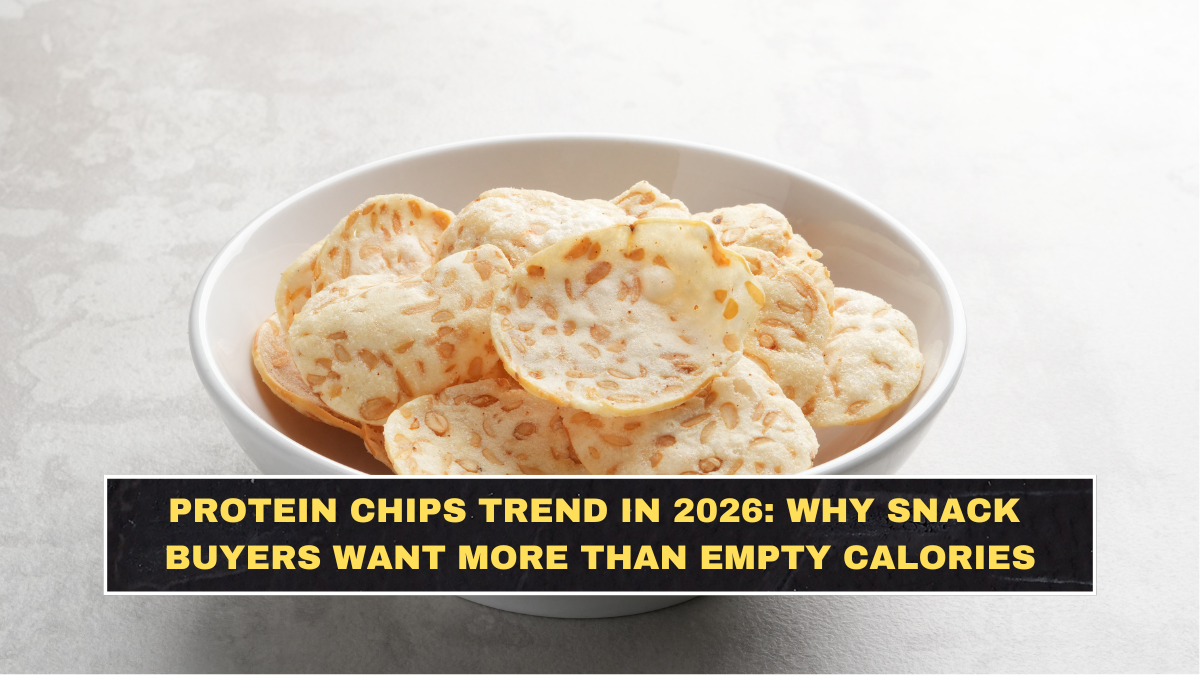
Protein Chips Trend in 2026: Why Snack Buyers Want More Than Empty Calories
April 13, 2026
Protein chips are getting attention because they promise a simple upgrade to one of the most familiar snack habits people already have. Buyers still want crunch, salt, and convenience, but they now want those things wrapped in a better nutrition ... Read more
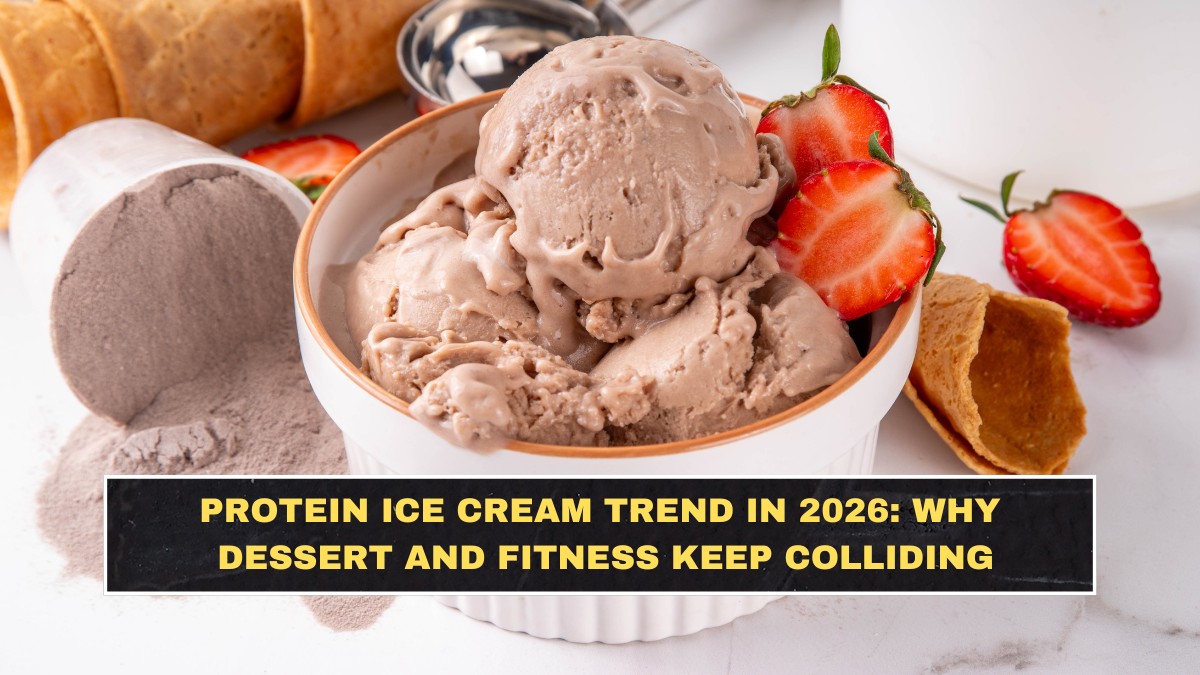
Protein Ice Cream Trend in 2026: Why Dessert and Fitness Keep Colliding
April 13, 2026
Protein ice cream is getting attention because it promises something people keep chasing: dessert that feels less guilty and more functional. The category is no longer tiny either. Grand View Research estimated the global protein ice cream market at about ... Read more

Wellness in Duty-Free Shopping Is Becoming a Bigger Travel Retail Trend
April 13, 2026
Wellness is getting bigger in duty-free because airport shopping is no longer just about liquor, tobacco, and last-minute perfume. Travel retail is expanding, and beauty is already one of its largest product groups. Recent market reporting says fragrance and cosmetics ... Read more