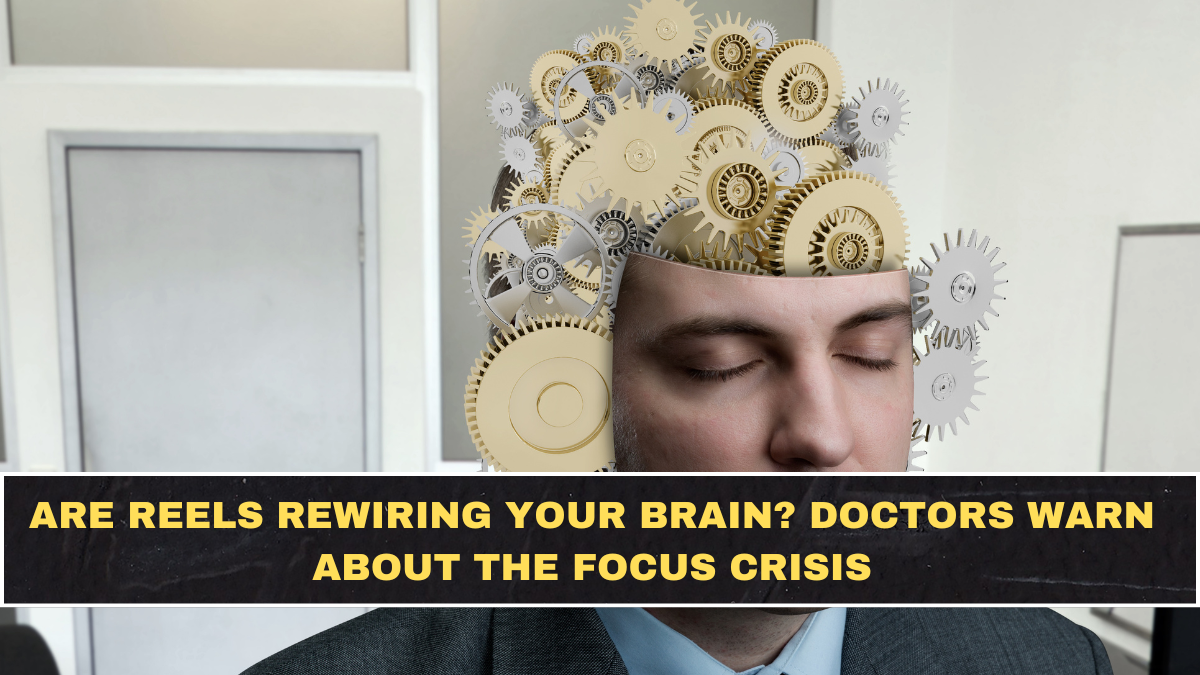
Reels, Shorts and TikTok-style videos are not “just timepass” anymore. Short-form video use is now being studied seriously because heavy consumption is linked with attention problems, sleep disruption, anxiety and compulsive scrolling behaviour. A 2024 study on adolescents found that short-form video addiction was associated with poorer sleep quality, while the WHO has also warned about rising problematic social media use among teenagers.
The scary part is not that someone watches a few funny clips after work. The problem begins when the brain starts depending on fast, endless stimulation and normal tasks begin feeling boring. Reading, studying, working, listening patiently, or even sitting quietly can feel harder when the mind is trained to expect a new reward every few seconds.
What Makes Reels So Addictive?
| Reels Feature | What It Does To Your Brain |
|---|---|
| Endless scrolling | Removes natural stopping points |
| Short duration | Gives quick reward without effort |
| Algorithmic feed | Learns what keeps you hooked |
| Auto-play | Reduces conscious decision-making |
| Random rewards | Keeps curiosity alive after every swipe |
| Bedtime use | Can disturb sleep timing and quality |
Short videos work because they give quick emotional hits: humour, shock, beauty, anger, gossip, motivation or desire. The next video may be boring or exciting, and that uncertainty keeps people scrolling. This pattern resembles a reward loop where the user keeps checking for the next satisfying clip instead of making a conscious choice to continue.
That does not mean reels are equal to drugs, and people should stop using dramatic fake science for clicks. But it does mean the design is powerful enough to shape behaviour. The more you use it without limits, the more your attention starts adapting to speed, novelty and constant stimulation.
Why Does Sleep Get Hit First?
Sleep is usually the first victim because reels are easy to consume in bed. A person opens the app for five minutes, but the feed keeps refreshing, and suddenly 45 minutes are gone. The American Psychological Association has warned that technology use within one hour of bedtime, especially social media use, is associated with sleep disruptions.
The CDC has also noted that high screen time is linked with later bedtimes, insufficient sleep, reduced sleep efficiency, insomnia symptoms and daytime sleepiness among teens. This matters because poor sleep directly affects attention, memory, emotional control and learning. So when people say reels are hurting focus, part of the damage may actually be happening through destroyed sleep.
Who Is Most At Risk?
Young users are more vulnerable because their habits, attention patterns and emotional regulation are still developing. WHO Europe reported that problematic social media use among adolescents rose from 7% in 2018 to 11% in 2022, raising concern about young people’s mental health and well-being. This does not prove every teen is addicted, but it clearly shows the trend is moving in the wrong direction.
Higher-risk users include:
- Students who scroll during study breaks and lose momentum.
- People who use reels every night before sleeping.
- Users who feel restless when they cannot check the app.
- Teens who replace hobbies, sports or friendships with scrolling.
- Adults who cannot finish deep work without checking the phone.
- Anyone using reels to escape stress, loneliness or anxiety daily.
The uncomfortable truth is that many people call it “relaxation” when it is actually avoidance. If you are scrolling because you are tired, fine. If you are scrolling because you cannot face work, emotions, studies or silence, then reels have become a coping crutch.
Are Reels Actually Rewiring The Brain?
“Rewiring” is a catchy word, but it needs careful use. The brain always adapts to repeated behaviour, so heavy short-video use can train attention toward speed, novelty and instant reward. Research reviews on short-form video use have found associations with mental-health concerns, and newer studies are examining cognitive effects such as attention, self-control and sleep quality.
But no serious person should claim that watching reels permanently destroys the brain. That is fear-mongering. The better statement is that excessive use can build habits that weaken deep focus, disturb sleep and increase compulsive checking. The good news is that habits can be changed if users stop pretending they have no control.
How Can You Protect Your Focus?
The solution is not deleting every app and acting superior for three days before reinstalling everything. The smarter solution is to create friction, reduce bedtime exposure, and protect blocks of deep work. Your brain does not need drama; it needs boundaries that you actually follow.
Try these practical rules:
- No reels during the first 30 minutes after waking.
- No short videos one hour before sleep.
- Keep study or work sessions phone-free for 45–60 minutes.
- Turn off non-essential social media notifications.
- Use app timers, but also keep the phone physically away.
- Replace one scrolling slot with walking, reading or exercise.
Be honest with yourself. If you cannot watch “just five minutes” without losing control, then five minutes is not your real limit. Your real limit is whatever the algorithm can extract from you before guilt or sleep stops you.
Conclusion: Is The Focus Crisis Real?
Yes, the focus crisis is real, but it is not magic and it is not only because of reels. Short videos are one part of a larger attention economy designed to keep users engaged for as long as possible. When people consume them heavily, especially before sleep or during study and work hours, focus, patience and mental clarity can suffer.
The answer is not panic; it is discipline. Reels are not evil, but using them without boundaries is stupid. If you want better attention, protect your sleep, stop using your phone as emotional escape, and rebuild tolerance for slow tasks. Your focus will not return through motivation quotes; it will return through boring, repeated self-control.
FAQs?
Can reels reduce attention span?
Excessive reels use may contribute to attention problems because the brain gets used to fast, high-reward content. Research on short-form video addiction has linked heavy use with sleep and mental-health issues, and newer reviews are studying cognitive effects like attention and self-control. Occasional use is not the issue; compulsive, uncontrolled use is the real concern.
Why do reels feel addictive?
Reels feel addictive because they combine short duration, auto-play, endless scrolling and algorithmic recommendations. Each swipe may bring something funny, shocking or emotionally satisfying, which keeps curiosity active. This creates a reward loop where stopping becomes harder than starting.
Is watching reels before sleep harmful?
Watching reels before sleep can be harmful because it delays bedtime and keeps the brain stimulated. APA and CDC-linked guidance warns that evening screen and social media use is associated with sleep disruption, later bedtimes and daytime sleepiness. Poor sleep then affects focus, memory and mood the next day.
How can I stop reels addiction?
Start by removing reels from your weakest moments, especially waking time, study time and bedtime. Turn off notifications, keep the phone away during work blocks, and set strict app limits that you actually follow. If scrolling is being used to escape anxiety, loneliness or stress, address that problem directly instead of hiding inside the feed.