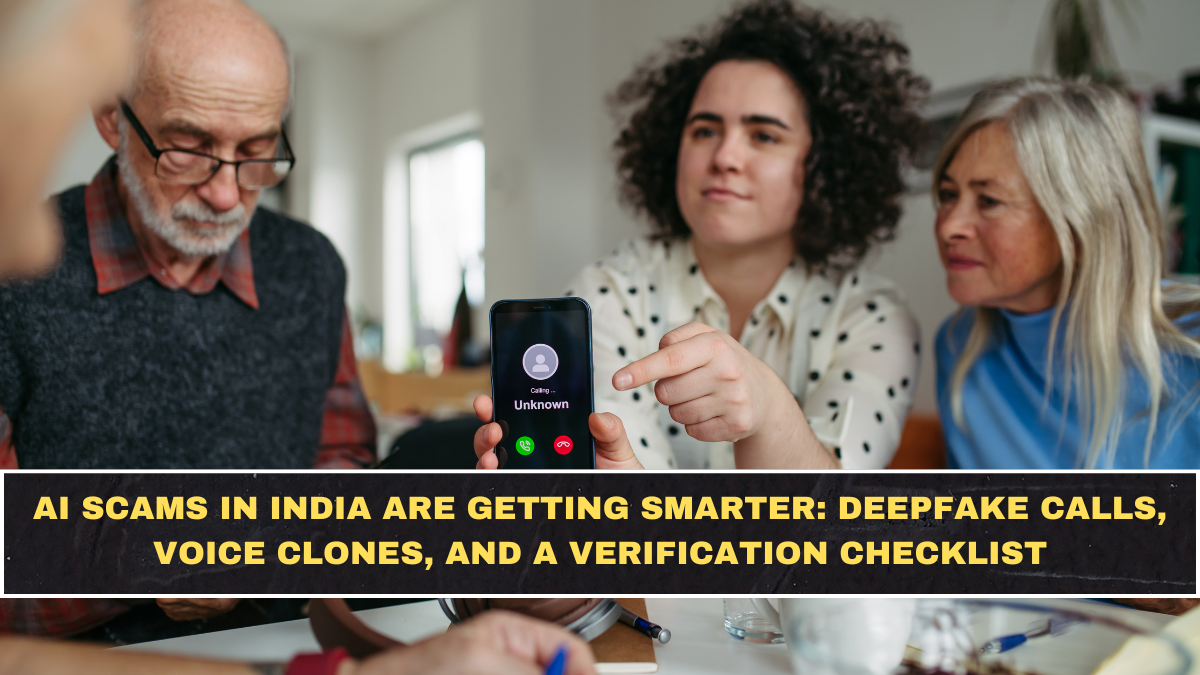
Artificial intelligence is transforming industries across India, but it is also creating new risks for everyday users. The rise in ai scams india cases shows how fraudsters are using advanced technologies like voice cloning, deepfake videos, and AI-generated messages to deceive people. These scams are becoming more convincing because they imitate real voices, real identities, and trusted communication channels, making it harder for users to identify fraud.
The surge in ai scams india incidents reflects how digital fraud has evolved beyond traditional phishing messages or fake calls. Criminals now use AI tools to create realistic audio, impersonate family members, and manipulate personal information. Understanding how these scams work and how to verify suspicious communication is now essential for anyone using digital payments, messaging platforms, or online services.

What Are AI Scams and Why They Are Increasing in India
The growing number of ai scams india cases is directly linked to the increased availability of AI-powered tools that can generate realistic content within seconds. Fraudsters no longer need technical expertise to imitate voices, create fake videos, or generate convincing text messages. This accessibility has made sophisticated fraud techniques widely available and easier to execute.
AI scams typically involve:
-
Voice cloning to impersonate known contacts
-
Deepfake videos or images for identity fraud
-
AI-generated phishing emails and messages
-
Fake customer support interactions
-
Automated fraud calls targeting financial information
The combination of large digital adoption and growing online financial transactions makes India a major target for such scams.
How Voice Cloning Scams Work
One of the most common forms of ai scams india involves voice cloning technology. Fraudsters collect short voice samples from social media videos, phone recordings, or public content. Using AI software, they generate realistic voice replicas that sound almost identical to the original person.
These scams usually follow a pattern where the victim receives a call from someone who appears to be a family member, colleague, or authority figure. The caller often claims an emergency and requests urgent money transfers or confidential information. The realistic voice creates panic and reduces the victim’s ability to verify the request calmly.
Voice cloning scams often involve:
-
Emergency financial requests
-
Fake distress calls from relatives
-
Impersonation of officials or employers
-
Requests for OTP or bank details
This method relies heavily on emotional pressure and urgency.
Deepfake Video and Identity Fraud
Another serious concern in ai scams india is the use of deepfake technology. Deepfake tools can manipulate videos or images to show a person saying or doing things they never actually did. These videos can be used for financial fraud, blackmail, or identity verification bypass attempts.
Fraudsters may create fake video calls or visual proof to convince victims of authenticity. Because visual content appears more trustworthy than text or voice alone, deepfake scams can significantly increase the success rate of fraud attempts.
Deepfake-related fraud can include:
-
Fake video verification attempts
-
Impersonation of executives or officials
-
Identity misuse in financial transactions
-
Manipulated content used for extortion
This trend is expected to remain a major digital risk as technology improves.
AI-Generated Phishing and Automated Fraud Messages
The rise of ai scams india also includes highly personalized phishing messages generated using AI tools. These messages are grammatically accurate, context-aware, and often tailored using publicly available information about the victim. Unlike traditional spam messages, AI-generated communication appears natural and trustworthy.
Fraudsters use AI to analyze behavior patterns, create realistic emails, and generate responses automatically. This makes phishing attempts harder to detect because they no longer contain obvious errors or suspicious wording.
Common AI phishing tactics include:
-
Fake bank alerts requesting verification
-
Payment failure notifications
-
Account security warnings
-
Customer support impersonation messages
These tactics target users who frequently engage in online transactions.
Why AI Scams Are Difficult to Detect
The increasing success of ai scams india comes from the ability of AI systems to mimic human communication patterns. Traditional fraud warning signs, such as poor grammar or suspicious messages, are becoming less reliable indicators. AI tools produce content that closely resembles legitimate communication.
Key reasons detection is difficult include:
-
Highly realistic voice and visual replication
-
Personalization based on public data
-
Emotional manipulation and urgency
-
Automated and scalable fraud operations
This shift means users must rely more on verification practices rather than intuition alone.
Verification Checklist to Stay Safe from AI Scams
Protecting yourself from ai scams india requires simple but consistent verification habits. Instead of reacting immediately to urgent requests, users should confirm the authenticity of communication through independent channels. Awareness and caution remain the most effective defense against AI-driven fraud.
A practical verification checklist includes:
-
Always verify emergency requests through a second contact method
-
Never share OTP, banking details, or passwords over calls or messages
-
Confirm identity before transferring money
-
Avoid clicking suspicious links or attachments
-
Enable account security alerts and verification features
-
Report suspicious calls or messages immediately
Following these steps significantly reduces the risk of falling victim to fraud.
Role of Awareness in Preventing AI Fraud
Public awareness plays a crucial role in reducing ai scams india cases. As technology evolves, individuals and organizations must adapt their digital safety practices. Understanding how fraud techniques work helps users recognize warning signs and respond appropriately.
Financial institutions, digital platforms, and users must collectively prioritize security awareness. Simple behavioral changes, such as verifying requests and avoiding impulsive actions, can prevent major financial losses and identity misuse.
Conclusion
The rise of ai scams india highlights how advanced technology can be misused to create sophisticated fraud methods that are harder to detect than traditional scams. Voice cloning, deepfake content, and AI-generated phishing messages have changed the nature of digital threats, making verification more important than ever. Users must remain cautious, verify suspicious communication, and avoid sharing sensitive information without confirmation.
As digital adoption continues to grow, awareness and proactive security practices will remain the strongest defense against AI-driven fraud. Understanding how these scams operate allows individuals to protect their identity, finances, and personal information effectively.
FAQs
What are AI scams in India?
AI scams involve fraud using artificial intelligence technologies such as voice cloning, deepfake videos, and automated phishing messages to deceive users.
How does voice cloning fraud work?
Fraudsters use AI to replicate a person’s voice from recorded samples and impersonate them to request money or personal information.
What should you do if you receive a suspicious call or message?
Verify the request through another communication method, avoid sharing sensitive information, and report the incident immediately.
Are AI scams difficult to detect?
Yes, AI-generated content is highly realistic, making traditional warning signs less effective and verification more important.
How can users protect themselves from AI scams?
Users should verify urgent requests, avoid sharing OTPs or banking details, enable security alerts, and remain cautious with unknown communication.