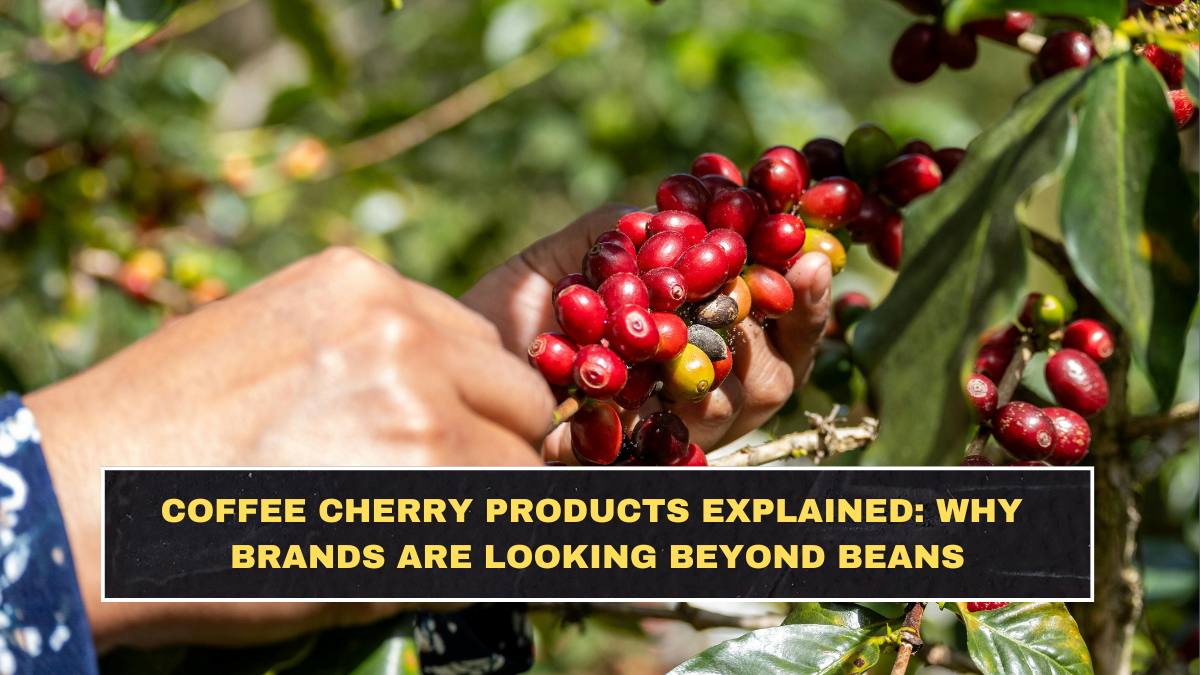
Coffee cherry products are getting attention because the coffee industry has finally started looking seriously at the part it used to throw away. The bean is only one part of the coffee fruit. The outer fruit and husk, often turned into cascara, can be used in teas, sparkling drinks, extracts, syrups, powders, and other ingredient applications. That fits two big 2026 themes at once: upcycled ingredients and more interesting functional beverages. Flavorman’s 2026 beverage forecast says ingredients such as cascara are positioned to grow as brands look for clean-label, naturally energizing alternatives.
This is not just sustainability theater, although some of it absolutely is. Coffee cherry is attractive because it lets brands sell a better story: less waste, more value from the crop, and a new flavor angle beyond roasted coffee itself. Graphic Packaging’s 2026 beverage-trend coverage says coffee cherry husk, or cascara, is showing up in teas and lightly sparkling sodas with dried-fruit notes, which is exactly the sort of product format that benefits from novelty plus eco-language.
What is a coffee cherry product, exactly?
A coffee cherry product is anything made from the fruit around the coffee bean rather than from the roasted bean alone. The best-known version is cascara, which usually refers to the dried husk or pulp of the coffee cherry and is commonly brewed into a tea-like drink. But the category is widening into syrups, extracts, sparkling beverages, powders, and functional blends.
That distinction matters because many people hear “coffee cherry” and assume it is just another coffee roast or a flavored coffee. It is not. It is a fruit-derived ingredient stream built from coffee-processing byproducts that used to have much less commercial value.
Why are brands suddenly interested in coffee fruit now?
Because it helps them solve several commercial problems at once. It offers a sustainability story, creates product differentiation, and taps into the growing market for upcycled ingredients. A 2025 market note on upcycled beverage ingredients highlighted coffee-cherry and cascara derivatives as inputs for soluble powders, extracts, syrups, RTD coffees, sparkling beverages, and energy products.
There is also a farm-economics angle. Research from the University of Bern on coffee livelihoods in Colombia and Bolivia notes that products made from dried coffee pulp, known as cascara or coffee cherry, are increasingly sought after and may help farmers capture more value from the crop. That is where the trend gets more interesting. If coffee fruit becomes commercially useful, it can shift coffee from a bean-only economy toward a broader value chain.
What do cascara drinks taste like?
Usually they taste more like dried fruit tea than like coffee. Depending on the variety and processing, cascara can lean toward raisin, hibiscus, tamarind, date, cherry, or lightly fermented fruit notes. That is part of the appeal. It gives brands something coffee-adjacent without tasting like another cold brew.
This is also why cascara fits today’s beverage market. Consumers want drinks that feel natural, layered, and a little unusual without becoming too challenging. Graphic Packaging’s 2026 trend roundup frames cascara drinks exactly that way, as teas and sparkling sodas with fruit-forward character.
Which types of coffee cherry products are most likely to grow?
The strongest formats are probably the easiest ones for people to understand and consume. Here is the practical breakdown:
| Product type | Why it has potential | Best use case | Main weakness |
|---|---|---|---|
| Cascara tea | Easy introduction to the ingredient | Cafés, home brewing, specialty retail | Still niche outside coffee-interested buyers |
| Sparkling cascara drinks | Fits modern RTD beverage habits | Functional sodas, low-sugar drinks | Novelty may fade if flavor disappoints |
| Extracts and syrups | Easy ingredient integration | Beverage brands, mixers, flavor systems | Consumer does not always notice the ingredient |
| Functional blends | Matches wellness and energy trends | Alternative energy drinks, tea blends | Can slide into buzzword marketing |
| Food or supplement applications | Uses broader fruit compounds | Nutraceuticals, powders, snack innovation | Harder for mainstream consumers to understand |
That table matters because the trend will probably not win through one miracle drink. It will grow through ingredient versatility and easier product formats.
Is this trend actually about sustainability, or mostly marketing?
Both. That is the honest answer. Coffee fruit is a legitimate byproduct-use opportunity, and research continues to explore bioactives from coffee cherry pulp and new fermented beverage formats. A 2025 study on coffee cherry cascara water kefir described promising antioxidant and sensory qualities, while a 2026 fermentation study explored beverage development from coffee cherries within a circular-economy model.
But yes, brands are obviously using the ingredient to sound smarter and greener. That does not automatically make the trend fake. It just means buyers should be careful not to confuse “upcycled” with “automatically valuable.” A weak-tasting product with a sustainability story is still a weak product.
Why does this fit current beverage culture so well?
Because 2026 beverage culture rewards three things heavily: novelty, functionality, and waste-reduction language. Cascara sits in the middle of all three. It can be positioned as naturally energizing, coffee-adjacent, fruit-based, and upcycled without needing to behave like mainstream soda or traditional coffee.
That is why market forecasts around coffee cherry and cascara keep appearing, even if some of those projections are inflated. Several market reports published in 2026 point to growth expectations for coffee cherry products, which suggests the industry believes there is commercial room to build around the ingredient, especially in sustainability-driven beverage innovation.
Who is this trend really for?
Right now, mostly curious beverage buyers, specialty-coffee audiences, and brands that need a differentiated ingredient story. It is also relevant for producers and exporters in coffee-growing countries looking for more ways to monetize coffee fruit. A recent market note specifically mentioned companies such as Trung Nguyen Legend in Vietnam and Tata Coffee in India using coffee cherry within broader product-diversification and sustainability strategies.
For mainstream consumers, the trend will only stick if the taste is good and the format is easy. Nobody cares how elegant the waste story is if the drink feels like a compromised side project.
Conclusion
Coffee cherry products are getting attention because they let brands and producers look beyond the bean and find value in the rest of the fruit. Cascara drinks, extracts, and functional blends fit today’s obsession with upcycled ingredients, low-waste systems, and more interesting beverage formats. The trend is real, but it is still niche. Its future depends on one simple thing: whether coffee fruit becomes a genuinely enjoyable ingredient or stays a sustainability pitch looking for a repeat buyer.
FAQs
What is cascara?
Cascara is the dried husk or pulp of the coffee cherry, often brewed into a tea-like drink or used in other beverage and ingredient applications.
Do coffee cherry products taste like coffee?
Not usually. Cascara products often taste more fruity, tangy, or tea-like than roasted coffee, with dried-fruit and floral notes being common.
Why are brands using coffee fruit now?
Because it helps with product differentiation, sustainability positioning, and ingredient innovation while creating new value from coffee-processing byproducts.
Could coffee cherry products help farmers?
Potentially yes. Research on coffee value chains suggests products like cascara can help producers capture more value from the coffee fruit instead of relying only on the bean.