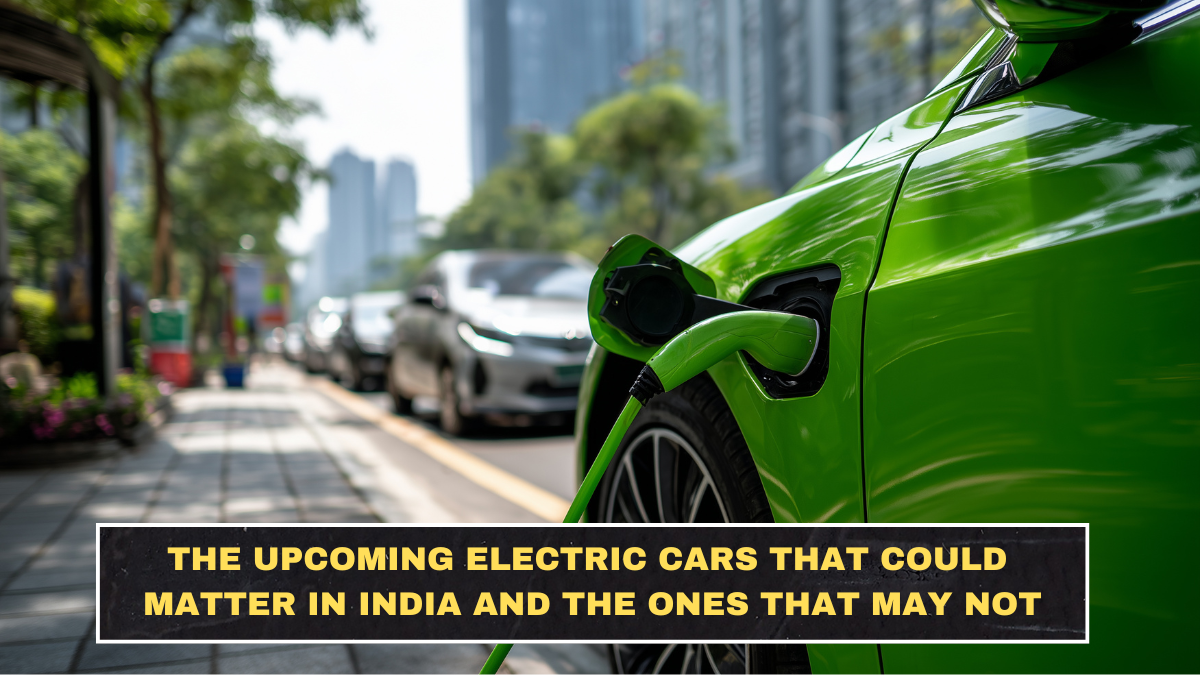
India’s EV market is growing, but buyers are still cautious for one simple reason: more launches do not automatically mean more trust. Autocar India reported that the Indian electric car segment sold 18,042 units in January 2026, up 51% year on year, which shows momentum is real. But momentum is not the same as mass adoption.
The real attention right now is around cars that can move beyond early-adopter hype and make sense for normal families. That is why models like the Maruti Suzuki e Vitara and Tata Sierra EV matter more than random concept-heavy announcements. They come from brands Indian buyers already understand, and that reduces risk perception.
The upcoming EVs that matter most
| Model | Current status | Why it matters |
|---|---|---|
| Maruti Suzuki e Vitara | Already went on sale in India on February 17, 2026 | Maruti’s first mass-market EV gives buyers a familiar brand entry point |
| Tata Sierra EV | Expected in 2026 | Tata already has EV credibility, so Sierra EV could attract family SUV buyers |
| VinFast Limo Green / VF3 | Expected in 2026 | New entrant, but needs trust and service proof |
| Tesla Model 3 / Model X | Expected entry discussed in launch trackers | High attention, but not mass-market relevance for most Indian buyers |
This is the practical split. The e Vitara matters because it is no longer just “upcoming”; Maruti officially announced its India introduction on February 17, 2026, with introductory BaaS pricing starting at ₹10.99 lakh plus battery rental. Autocar also says the larger battery version has a claimed 543 km ARAI range and that the car received a 5-star Bharat NCAP safety rating.
The Tata Sierra EV still matters because it sits in a very important buyer zone: family SUV interest. Autocar and carandbike both list it among the notable 2026 EV launches, with expectations that it will share technology direction with Tata’s newer EV platform strategy.
Which launches look more important than the rest
The launches that matter most are the ones that solve trust, not just technology. That is why these two stand out:
- Maruti Suzuki e Vitara
- Familiar mass-market brand
- Official India sale already started
- Claimed 543 km ARAI range on larger battery version
- Bharat NCAP 5-star safety rating reported by Maruti and Autocar
- Tata Sierra EV
- Strong brand relevance in Indian SUV market
- Tata already has EV sales presence
- Could appeal to family buyers who want something larger than a Nexon EV
By contrast, brands like Tesla or VinFast may generate headlines, but headlines are not the same as broad buyer impact. For most Indian households, pricing, charging comfort, and service reach matter more than brand glamour. That is the part many articles avoid because it sounds less exciting.
What is still stopping mass adoption
The hesitation is not mysterious. Buyers are still stuck on four practical concerns:
- charging convenience
- resale uncertainty
- battery trust over time
- upfront price versus ICE alternatives
That is exactly why not every launch will matter equally. A flashy EV with weak service reach or unclear ownership economics will not change the market much. A familiar-brand EV with credible safety, better pricing structure, and nationwide confidence has a far better chance. The e Vitara’s BaaS pricing model itself shows brands know affordability is still a major obstacle.
What buyers should actually watch
Do not obsess over every EV reveal. Watch these signals instead:
- official pricing, not teaser hype
- battery/range certification, not vague claims
- service and dealer support
- whether the car fits family use, not just showroom appeal
That is why the e Vitara currently looks more immediately important than many “coming soon” EVs. It is real, priced, rated, and already on sale. The Sierra EV is still worth watching because Tata has a stronger shot than most at turning interest into volume.
Conclusion
The upcoming electric cars that could matter in India are not necessarily the loudest ones. The Maruti Suzuki e Vitara matters because it gives mainstream buyers a familiar entry into EV ownership. The Tata Sierra EV matters because it could bring stronger family-SUV appeal to the segment. Some other launches will create noise, but unless they solve pricing, trust, and support, they may not move the market much. That is the real filter buyers should use.
FAQs
Is the Maruti Suzuki e Vitara still upcoming in India?
Not really. Maruti officially announced that the e Vitara went on sale in India on February 17, 2026.
Why is the Tata Sierra EV important?
Because Tata already has EV market presence, and the Sierra EV could appeal to Indian buyers looking for a larger family EV rather than a small-city electric car.
Are Tesla and VinFast likely to matter immediately in India?
They may attract attention, but attention is not the same as mass-market impact. For most Indian buyers, pricing and support will matter more than brand name. Launch trackers list them, but mainstream relevance is still uncertain.
What should Indian EV buyers watch before buying?
They should watch official price, certified range, safety, service reach, and ownership model rather than getting carried away by teaser buzz.
Click here to know more