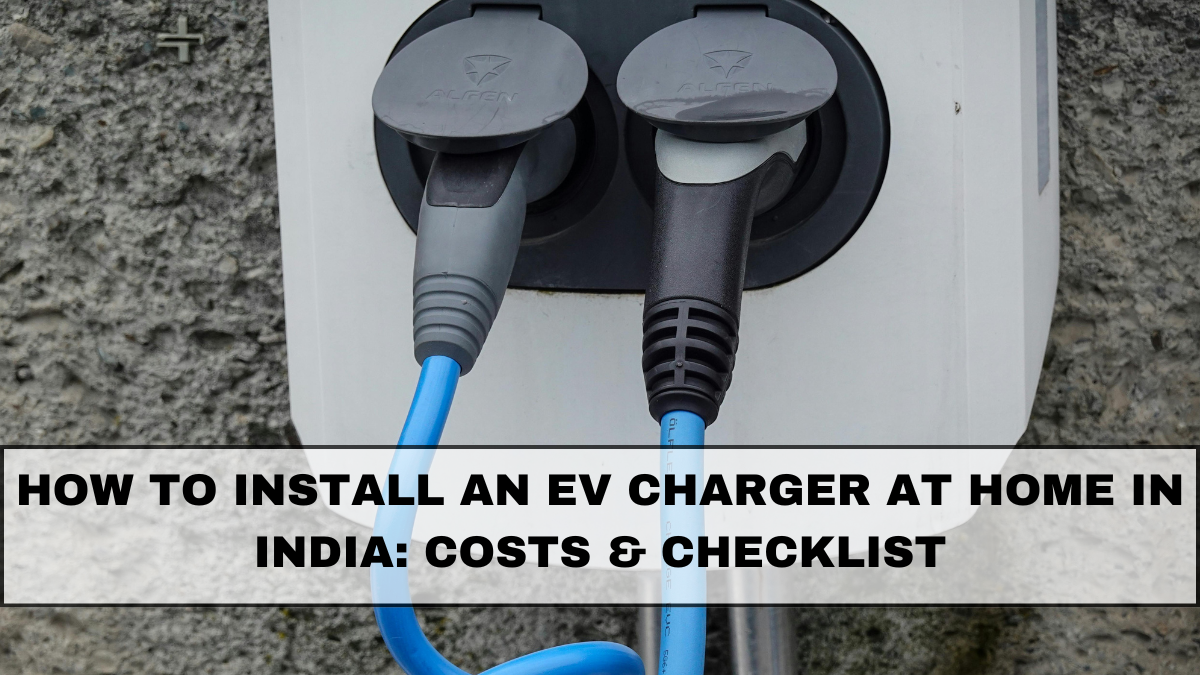
As electric vehicles (EVs) gain popularity in India, home charging solutions are becoming increasingly important. Installing an EV charger at home allows owners to conveniently charge vehicles overnight, saving time and money. With the Indian government promoting EV adoption through subsidies and incentives, understanding EV charging at home tips, installation costs, and the necessary permissions is crucial for a smooth setup.
Types of Home EV Chargers
Home EV chargers come in different types depending on speed, power, and compatibility with your EV model:
-
Level 1 Chargers: Standard 230V outlets; slow charging, suitable for overnight use.
-
Level 2 Chargers: Dedicated wall-mounted units; faster charging, requires professional installation.
-
Smart Chargers: Connected to mobile apps for remote monitoring, energy management, and scheduling.
Choosing the right charger depends on your daily driving distance, vehicle battery capacity, and home electrical infrastructure.
Installation Costs in India
The cost of a home EV charger depends on the type and power rating:
-
Level 1 Chargers: ₹10,000–₹20,000 (plug-and-play, minimal installation required)
-
Level 2 Chargers: ₹30,000–₹60,000 (includes wall-mounted unit and wiring costs)
-
Smart Chargers: ₹50,000–₹80,000 (additional features like app control and energy tracking)
Professional installation is recommended for Level 2 and smart chargers to ensure safety and compliance with electrical standards.
Steps to Install an EV Charger at Home
1. Check Home Electrical Capacity
Evaluate your home’s electrical panel to confirm it can handle the additional load. Many chargers require a dedicated circuit to prevent overloading.
2. Apply for Permissions
Some Indian cities require permission from the electricity distribution company (DISCOM) before installing high-capacity chargers. Check local regulations to avoid penalties.
3. Choose a Charger and Installer
Select a charger compatible with your EV model. Hire a certified electrician or authorized installer to ensure correct installation and safety compliance.
4. Installation Process
-
Mount the charger on a wall near the parking area.
-
Connect to a dedicated circuit with proper earthing and overload protection.
-
Test the system for proper voltage and current flow.
5. Registration and Warranty
Register the charger with the manufacturer for warranty and updates. Some smart chargers may require app setup for scheduling and monitoring.
Subsidies and Incentives
The Indian government and some state authorities provide subsidies for home EV chargers:
-
Central government schemes may cover up to 20–30% of the charger cost.
-
Certain state EV policies offer additional incentives or tax rebates for home installations.
-
Check your DISCOM and EV manufacturer programs for eligibility and application procedures.
These subsidies reduce upfront costs and encourage faster EV adoption.
Safety Tips for Home EV Charging
-
Always use certified chargers and components.
-
Avoid DIY electrical work for Level 2 or higher chargers.
-
Ensure proper earthing and circuit protection to prevent short circuits or fire hazards.
-
Keep the charging area dry and free of flammable materials.
-
Regularly inspect the charger, cable, and plug for wear and tear.
Advantages of Home EV Charging
-
Convenience: Charge overnight without visiting public stations.
-
Cost Savings: Home electricity rates are usually cheaper than fast-charging stations.
-
Battery Longevity: Controlled charging rates improve battery health.
-
Energy Management: Smart chargers allow scheduled charging to take advantage of lower tariff periods.
Common Misconceptions
-
Home chargers are expensive: With subsidies and efficient planning, installation costs are manageable.
-
EV charging damages the house wiring: Professional installation ensures safety and compliance.
-
Only new houses can install chargers: Existing homes can upgrade their electrical panels to support charging.
Conclusion
Installing a home EV charger in India in 2025 is becoming increasingly practical and affordable. By following EV charging at home tips, evaluating costs, understanding subsidies, and hiring professional installers, EV owners can enjoy the convenience of overnight charging and contribute to a cleaner environment. With careful planning, safety measures, and knowledge of incentives, home EV charging can be both efficient and cost-effective.
FAQs
What is the typical cost of installing an EV charger at home in India?
Costs range from ₹10,000 for basic Level 1 chargers to ₹80,000 for advanced smart chargers, excluding professional installation fees.
Do I need government permission to install a home EV charger?
In many cities, permission from your electricity provider may be required for high-capacity chargers. Always check local regulations.
Are smart chargers worth the investment?
Yes, smart chargers allow scheduling, energy monitoring, and remote control, which improves convenience and reduces electricity costs.
Can any electrician install a home EV charger?
Only certified or authorized installers should handle Level 2 or smart chargers to ensure safety and warranty compliance.
Are there subsidies for home EV chargers in India?
Yes, central and state governments provide subsidies that can cover 20–30% of the charger cost, depending on the policy and eligibility.
Click here to know more.