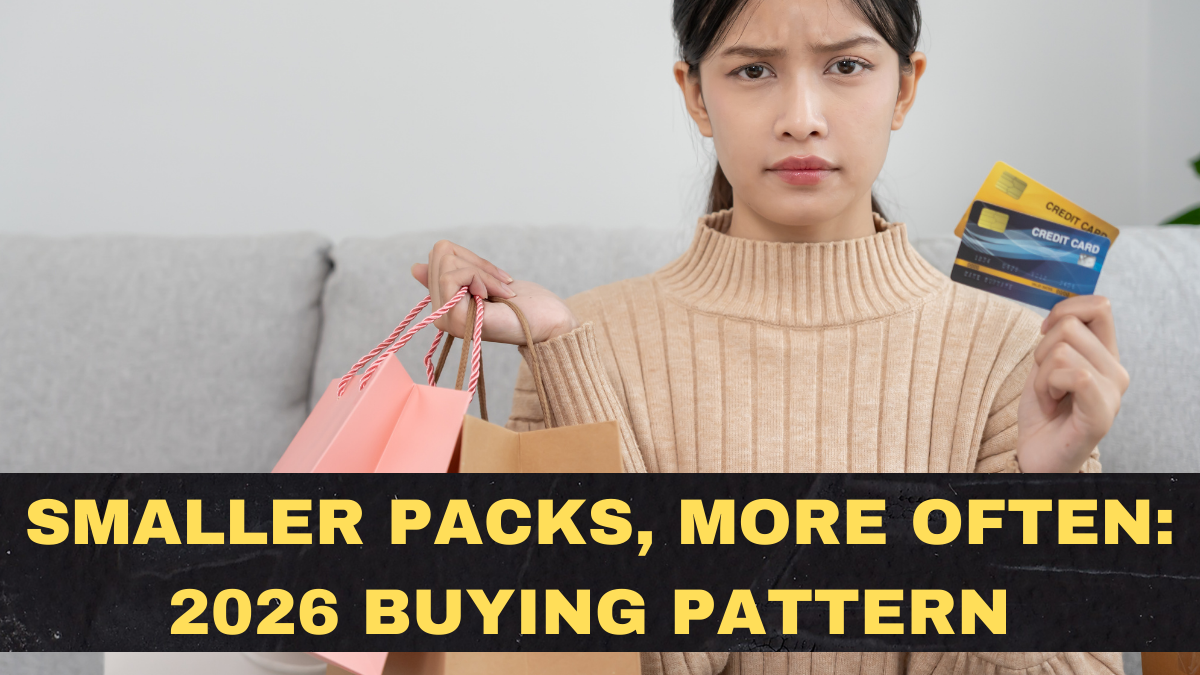
The rise of small treats purchasing is quietly reshaping how consumers shop, snack, and spend in 2026. Instead of buying large packs occasionally, people are now choosing mini pack sizes more frequently, turning everyday indulgence into a repeated habit rather than a rare event. This shift is not accidental. It reflects deeper changes in psychology, pricing sensitivity, wellness awareness, and lifestyle rhythm.
What looks like a simple packaging tweak is actually one of the most powerful retail and pricing trends of the year. Brands that understand this pattern are growing faster, increasing margins, and building stronger customer habits.
In 2026, consumers are no longer buying more. They are buying smaller, smarter, and more often.
Why Small Treats Purchasing Is Accelerating So Fast
Several behavioral forces are converging.
The strongest drivers include:
• Rising inflation pressure
• Budget awareness
• Portion control habits
• Guilt reduction psychology
• Urban lifestyle patterns
Consumers now prefer:
• Lower ticket purchases
• Fewer regrets after indulgence
• Easier impulse decisions
• Flexible spending
• Variety over quantity
Small treats purchasing thrives because:
• Entry price feels harmless
• Decision friction is low
• Indulgence feels controlled
• Frequency replaces volume
In 2026, the most powerful buying driver is no longer value.
It is permission.
How Mini Pack Sizes Changed Snacking Psychology
Portion size now shapes emotion.
Large packs create:
• Guilt
• Overconsumption
• Waste anxiety
• Health conflict
Mini pack sizes create:
• Control
• Permission
• Completion satisfaction
• Reduced regret
Consumers now think:
• “I can enjoy this”
• “It’s just a small treat”
• “I’ll buy again later”
This reframes indulgence from:
• Binge behavior
Into:
• Repeated micro-rewards
In 2026, snacks are no longer occasional splurges.
They are daily emotional rituals.
Why Frequent Buying Beats Bulk Buying for Brands
Frequency changes everything.
Instead of:
• One large purchase per week
Brands now get:
• Multiple small purchases per week
This increases:
• Store visits
• Brand touchpoints
• Habit formation
• Visibility
• Loyalty
Frequent buying allows brands to:
• Refresh packaging more often
• Test flavors faster
• Rotate SKUs
• Trigger impulse more easily
In 2026, winning brands optimize:
• Purchase frequency
• Shelf presence
• Habit loops
Not just basket size.
How Pricing Strategy Is Being Reinvented Through Small Packs
Pricing psychology favors small units.
Key effects include:
• Lower perceived spend
• Easier impulse conversion
• Reduced comparison behavior
• Faster checkout decisions
Even when:
• Price per gram is higher
Consumers still prefer:
• Lower absolute price
• Lower commitment
• Lower risk
This allows brands to:
• Increase margins silently
• Segment price tiers
• Protect premium positioning
• Avoid discount wars
In 2026, smart pricing no longer competes on value.
It competes on comfort.
Why Wellness Culture Supports This Buying Pattern
Wellness does not eliminate indulgence.
It controls it.
Modern consumers want:
• Treats without guilt
• Pleasure with boundaries
• Indulgence with intention
Mini pack sizes support:
• Calorie tracking
• Portion awareness
• Diet adherence
• Emotional regulation
This aligns perfectly with:
• Guilt-free joy
• Mindful snacking
• Balanced lifestyles
In 2026, small treats purchasing satisfies both:
• Desire
• Discipline
That dual appeal makes it extremely powerful.
How Packaging Design Is Driving Conversion
Packaging now sells the moment.
Effective mini pack design uses:
• Bright colors
• Transparent windows
• Single-serve icons
• Clean nutrition labels
• “Just enough” messaging
Design communicates:
• Portion control
• Freshness
• Convenience
• Safety
• Intentional choice
Small packs dominate:
• Checkout counters
• Convenience stores
• Office vending
• Travel retail
• Online add-ons
In 2026, packaging is no longer protective.
It is the primary marketing surface.
Why This Trend Is Spreading Beyond Food
The pattern now applies to:
• Chocolates
• Biscuits
• Protein snacks
• Ice creams
• Candy
• Bakery items
• Beverages
But also to:
• Cosmetics samples
• Skincare minis
• Supplements
• Fragrances
• Personal care
Consumers now prefer:
• Trial sizes
• Travel packs
• Micro formats
• Subscription samplers
Small treats purchasing is evolving into:
• Small indulgence culture
Across categories.
How Retailers Are Reorganizing Shelves Around This Trend
Shelf strategy is changing.
Retailers now:
• Expand mini-pack zones
• Add impulse clusters
• Place near checkout
• Group by usage moments
• Highlight grab-and-go formats
They track:
• Turnover speed
• Repeat purchase rates
• Basket attachment
• Dwell time near displays
Small packs now generate:
• Higher revenue per square foot
• Faster inventory rotation
• Stronger impulse economics
In 2026, shelf power belongs to:
• High-frequency SKUs
Not high-volume SKUs.
Why Brands Love This Model Financially
The economics are excellent.
Benefits include:
• Higher unit margins
• Faster cash cycles
• Lower spoilage risk
• More SKU flexibility
• Easier innovation testing
Small packs allow:
• Flavor experiments
• Limited editions
• Seasonal launches
• Co-branding
Without risking:
• Large batch failures
In 2026, small formats are becoming:
• Innovation engines
• Margin protectors
• Brand builders
Why This Is Not Just an Inflation Response
This pattern is behavioral, not temporary.
Even as prices stabilize:
• Habits remain
• Portion control stays
• Frequency preference persists
• Wellness mindset continues
Small treats purchasing now reflects:
• Lifestyle rhythm
• Emotional regulation
• Urban mobility
• Attention fragmentation
It fits perfectly with:
• Busy schedules
• Solo households
• On-the-go consumption
• Micro-break culture
This makes the trend structural, not cyclical.
How This Will Shape Product Strategy After 2026
Future product design will prioritize:
• Modular portions
• Multi-pack mini bundles
• Subscription snack boxes
• Custom portion sizing
• Dynamic packaging
Brands will focus on:
• Habit building
• Micro-moment capture
• Emotional positioning
• Repeat purchase optimization
Large packs will remain:
• Family use
• Home storage
• Value seekers
But growth will come from:
• Small
• Frequent
• Intentional
Conclusion
The rise of small treats purchasing reveals how deeply consumer behavior has evolved in 2026. By choosing mini pack sizes and buying more frequently, shoppers are balancing indulgence with control, pleasure with discipline, and spending with intention.
For brands and retailers, this pattern offers:
• Higher margins
• Stronger habits
• Faster growth
• Better shelf economics
In this new world, success no longer comes from selling more at once.
It comes from being chosen more often.
And the smallest packs may now carry the biggest opportunity in retail.
FAQs
What is small treats purchasing?
It is the trend of buying mini or single-serve packs more frequently instead of buying large packs occasionally.
Why do consumers prefer mini pack sizes?
They reduce guilt, control portions, lower spending risk, and make indulgence feel acceptable.
Is this trend driven only by inflation?
No. It is driven by wellness culture, lifestyle changes, habit formation, and emotional psychology.
Do small packs improve brand profits?
Yes. They increase margins, purchase frequency, shelf turnover, and innovation flexibility.
Will this trend continue after 2026?
Yes. It aligns with long-term behavior shifts toward mindful, frequent, and intentional consumption.
Click here to know more.