Remote volcanic island ecosystems have long intrigued scientists due to their unique environmental conditions, isolated habitats, and distinctive biodiversity. These islands, shaped by eruptions and geological shifts, present some of the most extreme living environments on Earth. Yet despite the challenges posed by volcanic activity, limited resources, and harsh climates, many species not only survive but thrive in these isolated regions. As researchers study these remarkable habitats, they are uncovering valuable insights into species resilience patterns, revealing how life adapts, evolves, and endures against severe environmental pressures.
Understanding resilience in these ecosystems is crucial, especially as the world faces increasing climate instability, habitat loss, and shifting ecological dynamics. Remote islands serve as natural laboratories where scientists can observe evolutionary processes in real time. As research expands, it becomes clear that volcanic island ecosystems hold the key to understanding long-term adaptation strategies. This knowledge helps predict how species worldwide might respond to changing environmental conditions and offers guidance for conservation efforts focused on preserving fragile ecosystems.
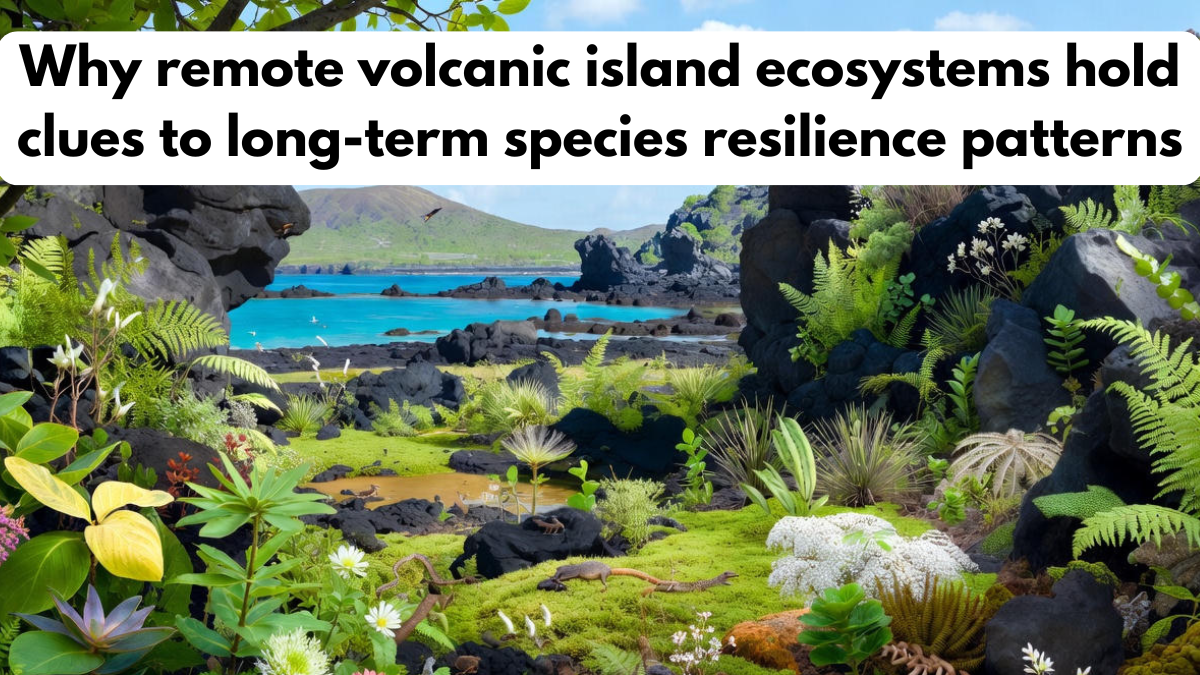
Characteristics That Make Volcanic Island Ecosystems Unique
The physical and ecological features of volcanic island ecosystems set them apart from mainland environments. Formed by volcanic activity, these islands typically begin as barren landscapes covered in ash, lava, and rocky formations. Over time, life slowly colonizes the area, creating a new ecological community from scratch. This process, known as primary succession, offers scientists a rare opportunity to study how species rebuild ecosystems after dramatic disturbances.
These isolated regions also provide a controlled environment for studying species resilience patterns. With fewer external influences such as predators, invasive species, or human interference, island organisms often develop unique adaptations. For example, plants may evolve deep root systems to survive poor soil, while animals may become smaller or more specialized to match limited resources. These adaptations demonstrate how isolation and harsh conditions shape long-term survival strategies within volcanic island ecosystems.
What Volcanic Islands Reveal About Species Resilience
The most compelling insights from volcanic island ecosystems revolve around how species respond to disruptions. Volcanic eruptions can dramatically reshape landscapes, wiping out entire populations and forcing surviving species to adapt quickly. These recurring disturbances make islands ideal for studying species resilience patterns, as researchers can observe how organisms recover from sudden environmental changes.
Many species exhibit remarkable flexibility, altering their feeding habits, reproductive cycles, or migration behaviors to survive. Others develop physical traits that help them withstand environmental stressors, such as thicker bark, improved thermal resistance, or specialized root structures. The ability of species to adapt to fluctuating ecological conditions provides essential clues to understanding resilience. These findings help researchers anticipate how organisms worldwide may cope with climate change, natural disasters, and habitat loss. As a result, the study of volcanic island ecosystems becomes vital for predicting future ecological responses.
Table: Key Adaptations Found in Volcanic Island Species
| Adaptation Type | Example | Connection to Species Resilience Patterns |
|---|---|---|
| Physiological Adaptations | Heat-resistant plant tissues | Helps species survive volcanic heat and ash |
| Behavioral Adaptations | Modified feeding habits | Allows flexibility in limited-resource environments |
| Reproductive Strategies | Fast reproduction cycles | Ensures rapid population recovery after eruptions |
| Structural Adaptations | Deep root systems | Supports survival in nutrient-poor volcanic soil |
| Evolutionary Changes | Dwarfism or gigantism | Reflects adaptation to isolated ecological pressures |
These adaptive traits demonstrate how volcanic island ecosystems strengthen our understanding of long-term species resilience patterns.
The Role of Isolation in Species Evolution
Isolation is one of the most significant factors influencing evolution within volcanic island ecosystems. When species become geographically separated from mainland populations, they evolve independently, often developing entirely new traits. Limited competition and unique environmental conditions accelerate evolutionary processes, leading to the emergence of distinct species not found anywhere else on Earth.
This isolation makes volcanic islands essential for studying species resilience patterns, as researchers can observe how organisms adapt without external disturbance. For example, isolated bird species may develop specialized beaks suited for unique food sources, while plants may evolve chemical defenses to deter limited predators. These independent evolutionary pathways highlight nature’s incredible ability to innovate in response to environmental challenges.
Lessons for Global Conservation and Climate Adaptation
As global ecosystems face rapid environmental changes, the lessons learned from volcanic island ecosystems become increasingly valuable. Species on these islands demonstrate how life can bounce back from extreme destruction, offering blueprints for resilience strategies that may help guide conservation planning. By understanding species resilience patterns, scientists can better identify which species are at greatest risk and which are more likely to adapt successfully.
These insights inform reforestation efforts, habitat restoration projects, and biodiversity protection. Volcanic islands also highlight the importance of preserving isolated ecosystems, as they contain unique species that cannot be replaced if lost. Learning how species adapt to harsh volcanic environments can also inspire innovations in agriculture, climate modeling, and environmental management. Ultimately, volcanic island ecosystems serve as powerful reminders that resilience is a natural part of ecological evolution—and a key component of global sustainability.
Conclusion
Remote volcanic island ecosystems offer unparalleled insight into how life responds to extreme environmental pressures. Through their unique adaptations, isolated species demonstrate remarkable resilience, revealing the complex mechanisms that support survival in harsh conditions. By studying species resilience patterns within these islands, scientists gain valuable knowledge that can guide global conservation strategies, climate adaptation efforts, and ecological forecasting.
As the impacts of climate change intensify, understanding resilience becomes more important than ever. The lessons hidden within volcanic islands help illustrate how nature evolves, recovers, and thrives despite ongoing challenges. These ecosystems stand as living laboratories that deepen our appreciation of biodiversity and reinforce the need to protect Earth’s most fragile environments.
FAQs
Why are volcanic island ecosystems important to study?
They provide unique opportunities to observe species adaptation, evolution, and resilience in isolated environments.
How do volcanic islands contribute to species resilience patterns?
Their harsh, unpredictable conditions force species to develop survival strategies that reveal how organisms adapt long-term.
What makes species on volcanic islands unique?
Isolation allows them to evolve independently, creating distinct traits not found in mainland populations.
Can studying volcanic islands help conservation efforts?
Yes, insights from these ecosystems guide strategies for protecting biodiversity and strengthening global ecological resilience.
Click here to know more.