For years, tech sold stability, purpose, and “family.” Then the layoffs came—quietly, repeatedly, and at scale. In 2026, the aftershock is clear. Tech layoffs mental health isn’t a temporary crisis; it’s a permanent shift in how workers relate to employers. Loyalty didn’t disappear—it was recalibrated.
People didn’t just lose jobs. They lost illusions.
Why Layoffs Hit Tech Workers Differently
Tech promised more than paychecks.
It promised:
• Long-term growth
• Mission-driven work
• Psychological safety
• Mutual loyalty
When layoffs cut through those promises, trust broke deeper. The stress impact went beyond finances into identity.
The Mental Health Fallout Nobody Budgeted For
Layoffs don’t end on the termination date.
Workers report:
• Chronic anxiety even after reemployment
• Hypervigilance about performance
• Difficulty trusting leadership narratives
• Guilt for surviving cuts
Tech layoffs mental health effects linger long after severance runs out.
Why ‘High Performers’ Felt Especially Betrayed
Performance stopped being protection.
Many laid-off workers were:
• Top-rated contributors
• Recently promoted
• Publicly praised months earlier
When excellence didn’t matter, belief in merit collapsed.
How Loyalty Quietly Turned Transactional
Workers adapted faster than companies expected.
Shifts include:
• Reduced emotional investment
• Fewer late nights “for the team”
• Job searching while employed
• Prioritizing self over brand
The psychological contract was rewritten—by necessity.
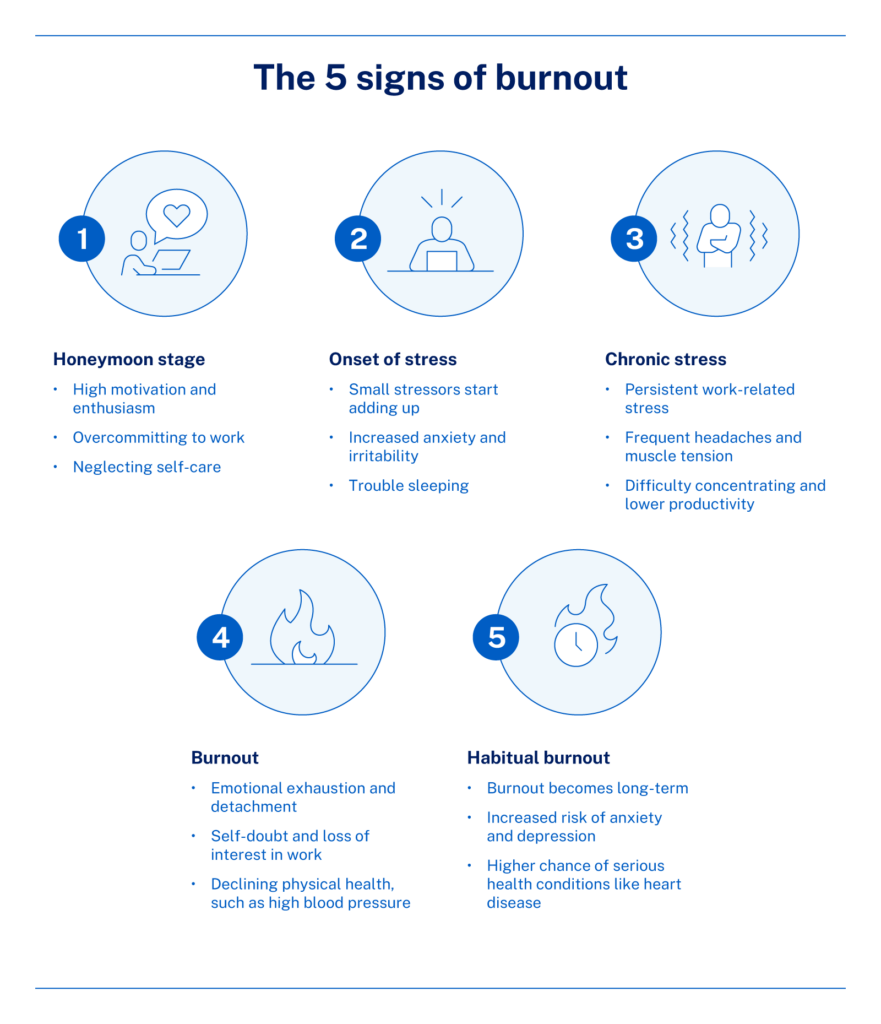
Why Repeated Layoffs Multiply Stress Impact
One layoff shocks. Repeated ones condition fear.
Effects include:
• Constant readiness to exit
• Difficulty planning life milestones
• Distrust of “restructuring” language
• Emotional detachment from work
With each wave, tech layoffs mental health damage compounds.
The Survivor’s Guilt Problem
Those who stayed didn’t feel lucky—they felt exposed.
Common feelings:
• Fear of being next
• Guilt toward laid-off peers
• Pressure to justify retention
• Reluctance to celebrate success
Survival came with psychological cost.
How Leadership Messaging Made Things Worse
Words mattered—and often missed.
Problematic patterns:
• Overuse of “tough but necessary”
• Celebrating resilience immediately
• Vague future assurances
• Silence after cuts
When empathy feels scripted, trust erodes further.
Why Workers No Longer Believe in ‘Company Loyalty’
Experience replaced ideology.
Workers learned:
• Loyalty isn’t reciprocal
• Tenure doesn’t guarantee safety
• Culture doesn’t override economics
• You are replaceable—even if valued
This realization permanently reshaped behavior.
What Employees Are Doing Differently Now
Adaptation is pragmatic.
New norms include:
• Emergency savings prioritized
• Skills kept market-ready
• Boundaries enforced at work
• Identity decoupled from employer
These aren’t cynical moves—they’re protective responses.
Why This Isn’t Anti-Company—It’s Pro-Survival
Workers didn’t become disloyal. They became realistic.
They still:
• Do good work
• Collaborate professionally
• Care about outcomes
But emotional dependence is gone. Tech layoffs mental health taught restraint.
What Companies Must Understand Going Forward
Trust doesn’t reset automatically.
To rebuild, companies need:
• Honest communication
• Predictable decision frameworks
• Real employee support
• Fewer symbolic gestures
Loyalty can’t be demanded after it’s been broken.
Conclusion
Tech layoffs mental health changed workplace psychology forever. In 2026, workers aren’t bitter—they’re informed. Loyalty now has limits, boundaries, and conditions. The era of blind trust is over.
What replaces it is colder—but healthier.
FAQs
How did tech layoffs affect mental health?
They increased anxiety, distrust, and long-term stress.
Are workers less loyal now?
Yes—loyalty became conditional and self-protective.
Do layoffs affect even high performers?
Yes, often more deeply due to broken expectations.
Can companies rebuild trust after layoffs?
Yes, but only with transparency and consistency.
Is this change permanent?
Likely—workplace relationships have fundamentally shifted.
Click here to know more.