Emotional Numbness in the Age of Overstimulation
Emotional Numbness in the Age of Overstimulation

Many people aren’t feeling deeply sad—or deeply happy—anymore. Instead, they feel flat. Life continues, responsibilities are met, but emotions feel muted. This experience is becoming increasingly common and is best described as emotional numbness. It’s not depression in the traditional sense. It’s the quiet result of living in a world of constant stimulation. When the … Read more
Why People Trust Institutions Less Than Ever

Why People Trust Institutions Less Than Ever

Trust used to be the default. Governments, media, corporations, and public systems were imperfect, but they were generally believed to act in good faith. Today, that assumption has eroded. Across countries and cultures, trust issues society are deepening. Skepticism has replaced confidence, and doubt now feels rational rather than cynical. This shift didn’t happen overnight. … Read more

Why Dating Apps Feel Exhausting Instead of Exciting

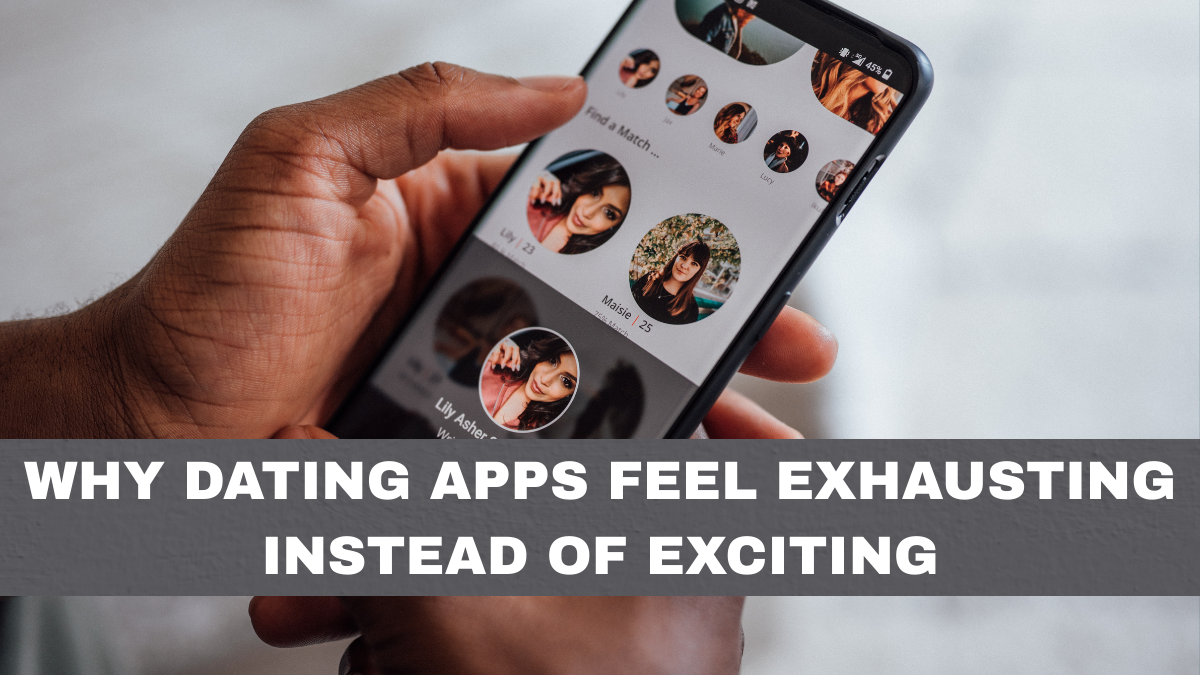
Why Dating Apps Feel Exhausting Instead of Exciting

Dating apps were supposed to make finding connection easier. More options, smarter matches, faster conversations. Yet for many people, the experience feels draining rather than hopeful. Swiping becomes tedious. Conversations feel disposable. Genuine excitement fades quickly. This isn’t personal failure—it’s the predictable result of choice overload dating. When options become endless, connection becomes harder. Dating … Read more

Why Sale Deals Feel “Unmissable”: The Pricing Psychology Brands Use on You

Why Sale Deals Feel “Unmissable”: The Pricing Psychology Brands Use on You

If you’ve ever bought something on sale and later wondered why you even wanted it, you’ve already experienced deal pricing psychology India in action. Modern sales aren’t about discounts—they’re about manipulating perception. Brands design prices to trigger urgency, fear, and false savings, especially during flash sales and bank-offer events. The uncomfortable truth: most “great deals” … Read more

People Use AI Every Day—But Don’t Trust It

People Use AI Every Day—But Don’t Trust It

In 2026, AI is everywhere. It writes emails, suggests routes, filters resumes, answers questions, and powers customer support. Yet something feels off. Despite daily usage, people don’t trust it. The AI trust gap—the distance between reliance and belief—is widening fast. People aren’t rejecting AI. They’re using it with suspicion. What the AI Trust Gap Actually … Read more