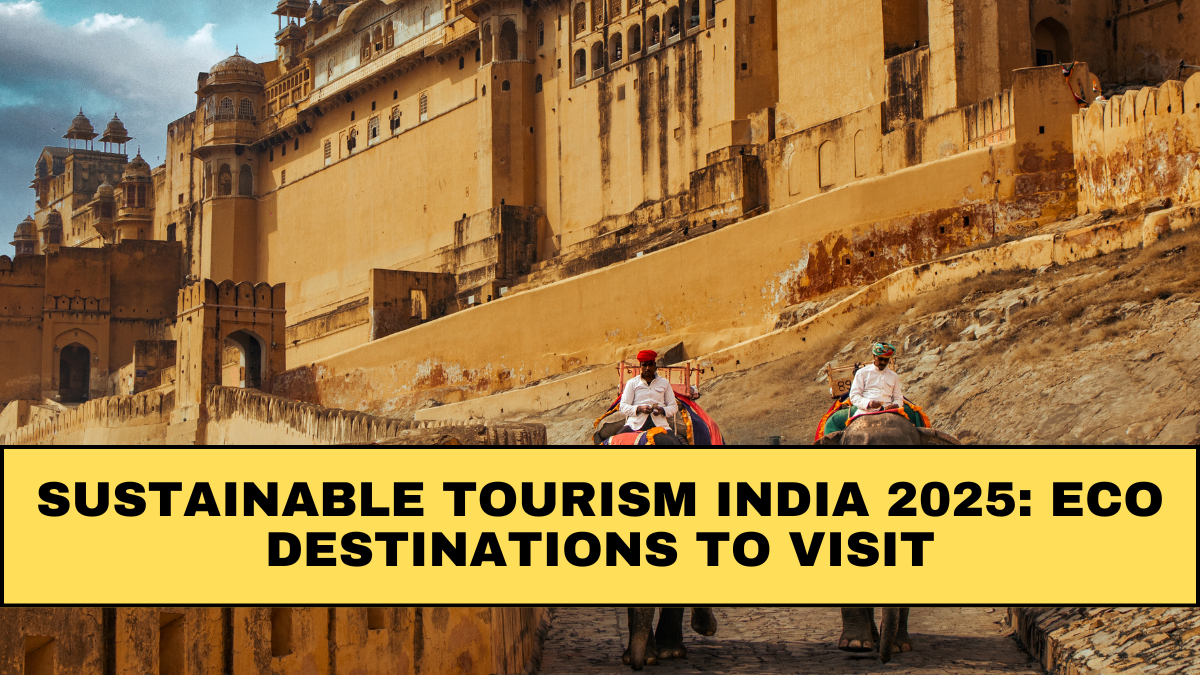
Sustainable Tourism India 2025 is transforming the way travelers explore the country. Increasingly, visitors are seeking eco-friendly and responsible ways to enjoy India’s natural beauty and cultural richness. This trend encourages tourists to minimize their environmental impact, support local communities, and choose travel experiences that promote conservation. With India’s diverse landscapes—from mountains and forests to beaches and heritage towns—sustainable tourism is creating a balance between adventure, culture, and ecology.

Eco-Friendly Travel Trends in India
India’s tourism sector is witnessing a surge in eco-conscious travel. Resorts and lodges are adopting renewable energy, waste management, and water conservation practices. Visitors are increasingly choosing destinations and accommodations that adhere to environmental standards. Activities such as guided treks, wildlife safaris, and cultural tours are being designed to reduce carbon footprints and preserve natural habitats.
Top Eco Destinations
Kerala’s backwaters now offer eco-friendly houseboats and village stays that prioritize sustainability while showcasing local culture. Himalayan regions provide trekking experiences that emphasize minimal environmental disturbance and respect for fragile ecosystems. Wildlife sanctuaries in Madhya Pradesh and Karnataka offer responsible eco-tourism programs, allowing visitors to observe animals without harming their habitats. Rajasthan promotes heritage tourism with conservation-oriented accommodations and cultural experiences that benefit local communities.
Community Engagement and Responsible Tourism
Sustainable tourism in India also emphasizes community involvement. Local populations are engaged in running homestays, eco-lodges, and guided tours, which ensures that tourism revenue supports education, healthcare, and conservation efforts. Travelers contribute directly to local economies while experiencing authentic cultural interactions. This approach encourages long-term preservation of traditions, crafts, and natural resources.
Environmental and Economic Benefits
By promoting green tourism, India reduces the negative impact of mass tourism on fragile ecosystems. Responsible practices limit pollution, deforestation, and wildlife disturbance. Economically, sustainable tourism provides jobs, supports small businesses, and attracts international travelers who value eco-conscious travel. The combination of environmental stewardship and economic growth makes this approach beneficial for both communities and the planet.
Conclusion
Sustainable Tourism India 2025 is redefining travel with an emphasis on eco-friendly practices, local empowerment, and cultural preservation. From Himalayan treks to Kerala’s houseboats and Rajasthan’s heritage sites, travelers can explore India responsibly while contributing to environmental conservation and community development. By choosing sustainable tourism, visitors enjoy immersive experiences while protecting natural and cultural treasures for future generations.
FAQs
What is sustainable tourism in India?
It is travel that prioritizes environmental conservation, supports local communities, and reduces negative impacts on nature and culture.
Which are the top eco-tourism destinations in India?
Kerala backwaters, Himalayan trekking routes, Madhya Pradesh and Karnataka wildlife sanctuaries, and heritage regions in Rajasthan.
How does sustainable tourism help local communities?
It generates revenue through eco-lodges, homestays, and guided tours, supporting education, healthcare, and conservation.
Are sustainable tourism activities safe for the environment?
Yes, they are designed to minimize pollution, prevent wildlife disturbance, and preserve ecosystems.
Why should travelers choose eco-friendly tourism?
It ensures a responsible and immersive experience while protecting nature and supporting cultural heritage.