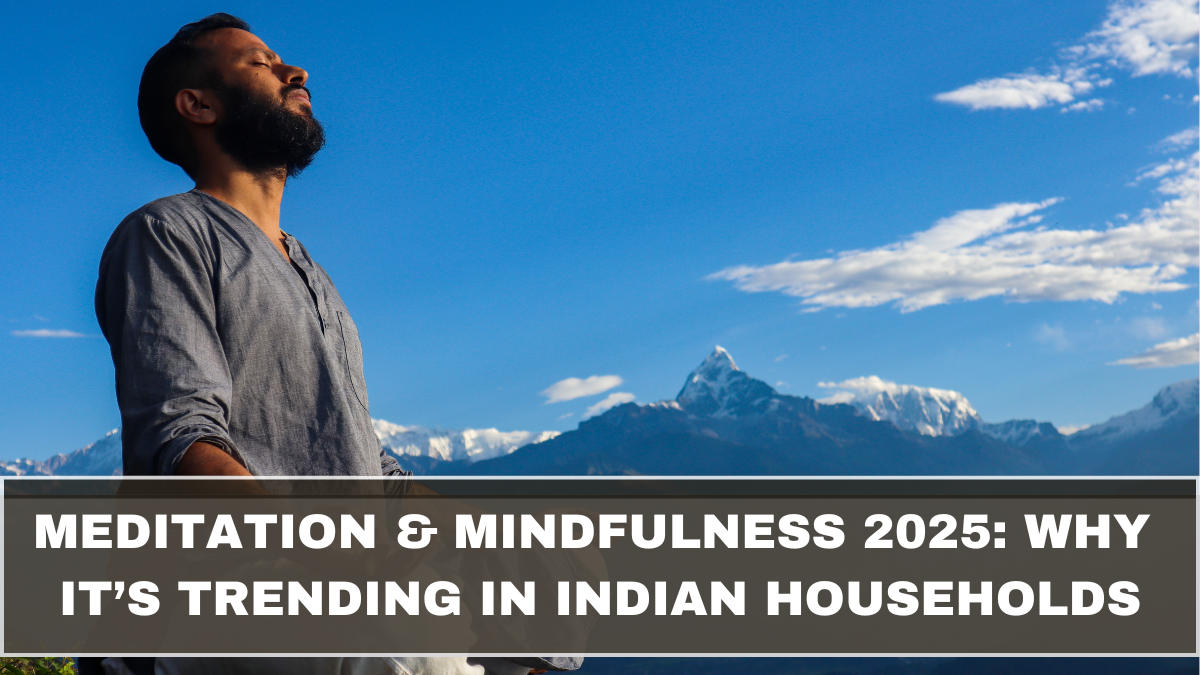
The festival season in India is a time of celebration, joy, and cultural richness. However, once the festivities wind down, many individuals find themselves dealing with fatigue, stress, and mental exhaustion. In 2025, a noticeable trend is emerging: Indians are increasingly turning to mindfulness and meditation as a way to recharge, restore balance, and focus on self-care.
This post-festive mindfulness movement highlights a growing awareness of mental wellness in households across urban and semi-urban India. From yoga enthusiasts to beginners, people are actively seeking methods to calm the mind, manage stress, and improve overall emotional wellbeing.
Why Mindfulness & Meditation Are Trending
Several factors contribute to the rising popularity of mindfulness and meditation in Indian households:
-
Post-festival burnout: The busy season leaves people physically tired and mentally drained, increasing the need for relaxation practices.
-
Digital fatigue: Prolonged screen time and social media exposure make people crave mental clarity and inner peace.
-
Work-life stress: Hybrid and remote work pressures have heightened the need for tools to manage stress.
-
Scientific validation: Studies show that mindfulness and meditation reduce anxiety, enhance focus, and improve emotional resilience.
-
Easy access to guided practices: Mobile apps, online classes, and YouTube tutorials make meditation accessible to everyone.
As Indians seek balance after hectic celebrations, mindfulness has become a go-to practice for mental and emotional recovery.
Popular Meditation Practices in 2025
In 2025, households are experimenting with a variety of mindfulness techniques. Some of the most popular include:
-
Guided meditation: Audio or video-guided sessions help beginners focus and relax.
-
Breathwork exercises: Techniques like pranayama and box breathing are trending for stress relief.
-
Mindful walking: Incorporating awareness and deep breathing while walking to clear the mind.
-
Gratitude journaling: Combining meditation with writing exercises improves positivity.
-
Silent meditation: Practicing moments of silence daily for mental clarity.
These practices allow individuals to develop consistent routines that fit into busy lifestyles.
The Role of Technology in Mindfulness
Technology has significantly contributed to the mindfulness trend in India. Meditation apps, online wellness courses, and virtual workshops have made it easier for people to integrate mindfulness into their daily lives.
Benefits of technology-enabled mindfulness include:
-
Accessibility: Apps provide guided sessions in multiple languages, accommodating India’s diverse population.
-
Flexibility: Short 5–10 minute sessions allow people to meditate during breaks or commute.
-
Tracking progress: Apps and wearables help monitor stress levels, breathing, and sleep quality.
-
Community support: Online forums and meditation groups foster motivation and shared learning.
This digital shift ensures that mindfulness is no longer limited to yoga studios or retreats but is a practical tool for daily life.
Health & Emotional Benefits
Mindfulness and meditation offer a wide range of physical and mental health benefits that explain their growing popularity in Indian homes:
-
Stress reduction: Meditation reduces cortisol levels and calms the nervous system.
-
Improved focus and productivity: Mindfulness enhances attention span and cognitive clarity.
-
Better sleep quality: Regular meditation improves sleep patterns and reduces insomnia.
-
Emotional regulation: Helps individuals respond calmly to daily challenges.
-
Immune support: Lower stress levels support overall physical health.
These advantages make mindfulness a holistic wellness tool, bridging mental, emotional, and physical wellbeing.
Mindfulness for Families & Children
Interestingly, the trend isn’t limited to adults. Many households are introducing mindfulness and meditation to children post-festive season. Practices adapted for kids include:
-
Short breathing exercises
-
Story-based mindfulness lessons
-
Mindful coloring and drawing sessions
-
Family meditation sessions before bedtime
Teaching mindfulness early helps children develop emotional intelligence, focus, and healthy coping mechanisms, making it a household-wide trend.
Integrating Mindfulness Into Daily Routines
To maintain consistency, Indian households are experimenting with small lifestyle changes that support mindfulness:
-
Morning routines: Starting the day with 10 minutes of meditation or gratitude journaling.
-
Digital detox: Taking breaks from social media to reduce distractions.
-
Mindful meals: Paying attention to eating habits and savoring each bite.
-
Evening wind-down: Guided meditation sessions before sleep to relax the mind.
-
Weekly mindfulness challenges: Tracking progress with small, measurable goals.
These practical approaches make it easier to adopt mindfulness without overhauling daily schedules.
Why Post-Festive Mindfulness Matters
The post-festive season is often a period of reflection and adjustment. While celebrations bring joy, they also disrupt routines, diet, and sleep schedules. By adopting mindfulness and meditation practices, Indians are finding a structured way to regain mental and emotional equilibrium.
This trend signifies a cultural shift toward prioritizing mental wellness alongside physical health, making mindfulness a mainstream habit in 2025.
Conclusion
Mindfulness and meditation have emerged as essential tools for Indian households post-festive season. Driven by rising stress, digital fatigue, and growing wellness awareness, these practices help people restore balance, improve emotional resilience, and enhance productivity. With easy access through apps, online classes, and community initiatives, mindfulness has become a practical, everyday habit. As the trend grows, Indian homes are likely to see more families adopting meditation and mindful living as a central part of their lifestyle.
FAQs
Why is mindfulness trending in India after the festive season?
After festivals, people face mental and physical fatigue, leading to a focus on stress relief and emotional balance through meditation.
What types of meditation are most popular in 2025?
Guided meditation, breathwork exercises, silent meditation, gratitude journaling, and mindful walking are trending.
Can children practice mindfulness effectively?
Yes, short, engaging activities like mindful breathing, coloring, and family meditation sessions help children develop emotional intelligence.
How do apps help in meditation?
Apps provide guided sessions, progress tracking, and community support, making meditation accessible and consistent.
What are the main benefits of meditation for Indian households?
Meditation reduces stress, improves sleep, enhances focus, strengthens immunity, and promotes emotional wellbeing.