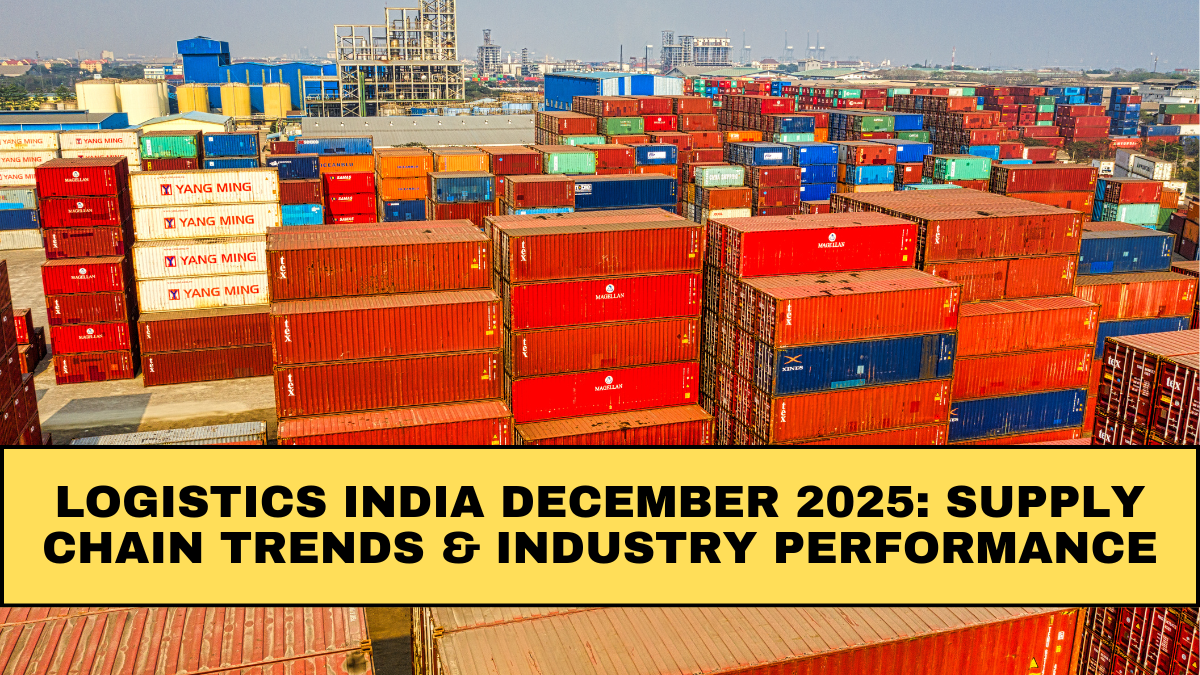
December 2025 has seen significant activity in India’s logistics sector, reflecting the country’s growing e-commerce, manufacturing, and industrial demands. Supply chains are adapting to higher holiday season orders, festive shipment spikes, and year-end commercial deliveries. Efficient transport, warehouse management, and last-mile delivery systems have become critical in meeting consumer expectations. The logistics industry’s performance in December demonstrates resilience, innovation, and the impact of digital solutions on operational efficiency.
Indian logistics companies are increasingly investing in technology, tracking systems, and eco-friendly transport methods. December trends also show an emphasis on reducing delivery times, optimizing routes, and integrating automation in warehouses. Companies are balancing rising fuel costs, labor availability, and regional transport regulations to maintain consistent supply chain performance.
Logistics Performance and Supply Chain Trends in December 2025
Industry Growth and Key Drivers
The logistics sector in December 2025 is propelled by:
-
E-commerce Demand: Increased online orders for retail, electronics, and FMCG goods.
-
Festive Shipping Surge: Holiday season drives higher parcel volumes and regional transport activity.
-
Technological Integration: AI-based route planning, real-time tracking, and warehouse automation enhance efficiency.
-
Sustainability Measures: Electric delivery vehicles, fuel-efficient transport, and eco-packaging are gaining traction.
Regional Performance Patterns
Northern and western regions exhibit high transport activity due to industrial hubs and large urban populations. Southern cities show growth in e-commerce logistics, while eastern regions are seeing infrastructure upgrades to improve freight movement. Tier-2 cities are increasingly integrated into national supply chains, reflecting broader market penetration.
Challenges in December 2025 Logistics
Despite growth, challenges persist:
-
Fuel price fluctuations impacting operational costs
-
Labor shortages during peak season
-
Traffic congestion and delays in metropolitan areas
-
Seasonal weather affecting transport schedules
Industry Recommendations
Companies are focusing on:
-
Optimized Inventory Management: Reducing warehousing costs while ensuring timely order fulfillment.
-
Digital Tracking: Providing end-to-end shipment visibility to customers.
-
Sustainable Transport: Using electric and hybrid vehicles for last-mile deliveries.
-
Efficient Workforce Planning: Managing seasonal labor requirements to meet delivery targets.
-
Risk Management: Preparing contingency plans for weather or regional disruptions.
Conclusion
Logistics India December 2025 highlights a robust and adaptive supply chain sector. With e-commerce growth, technological adoption, and sustainability initiatives, the industry is well-equipped to meet increased demand during the festive season. Companies that focus on efficiency, automation, and customer satisfaction can achieve higher operational performance and strengthen their position in India’s evolving logistics landscape.
FAQs
What drives logistics growth in December 2025?
E-commerce surge, festive shipments, technological integration, and sustainability initiatives are key drivers.
Which regions show the highest logistics activity?
Northern and western regions lead due to industrial hubs, while southern cities see strong e-commerce logistics growth.
What challenges are faced by logistics companies?
Fuel price fluctuations, labor shortages, traffic congestion, and seasonal weather disruptions.
How are companies improving supply chain efficiency?
Through digital tracking, optimized inventory, sustainable transport, workforce planning, and risk management.
Are Tier-2 cities integrated into logistics networks?
Yes, Tier-2 cities are increasingly part of national supply chains, supporting broader market coverage.
Click here to know more.