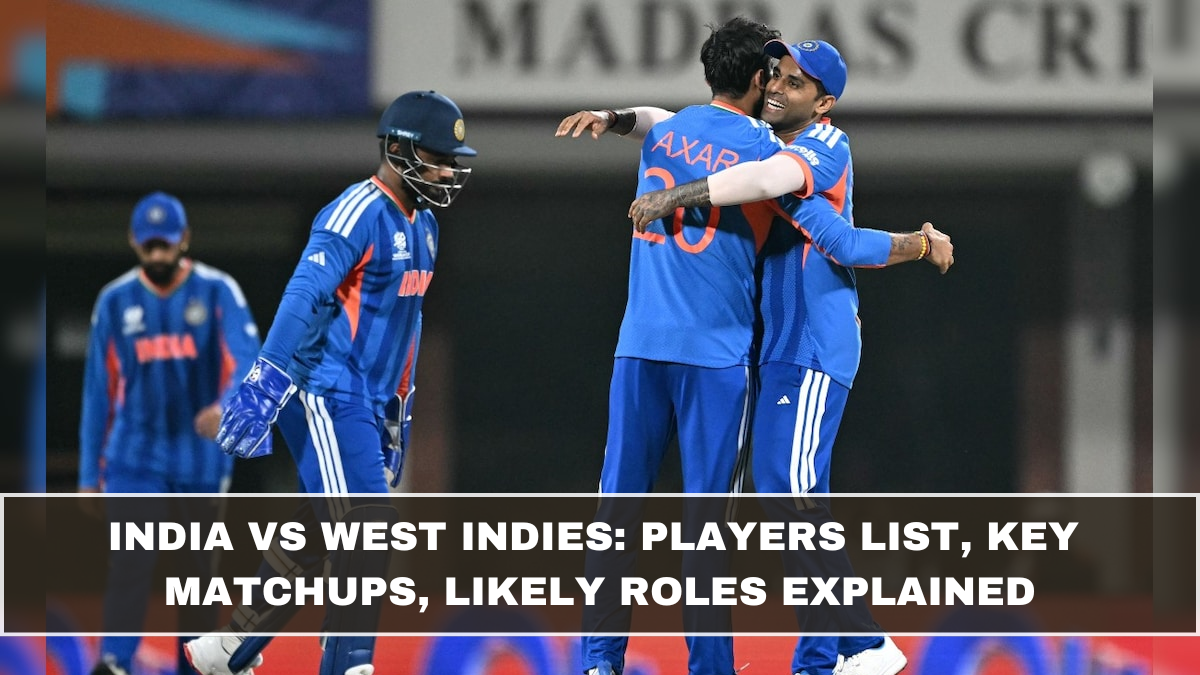
The India vs West Indies fixture always attracts attention due to the contrasting playing styles of both teams. India’s structured batting lineup and spin strength often meet West Indies’ aggressive stroke play and pace-heavy attack. Squad composition and playing XI decisions play a critical role in determining match outcome.
Both teams typically select balanced combinations of top-order batters, all-rounders, specialist bowlers, and wicketkeepers. Team strategy varies depending on match format—Test, ODI, or T20.
India Squad – Probable Core Players
India’s squad generally includes a mix of experienced players and young talent. The top order focuses on building stability, while the middle order accelerates scoring depending on format.
| Role | Probable Player Type | Key Responsibility |
|---|---|---|
| Opener | Aggressive batter | Strong powerplay start |
| No. 3 | Anchor | Stability and rotation |
| Middle order | Stroke players | Acceleration |
| All-rounder | Bat + bowl | Balance |
| Spinner | Control overs | Middle overs containment |
| Fast bowler | Pace attack | Early breakthroughs |
Squad depth gives India flexibility in selection.
West Indies Squad – Probable Core Players
West Indies traditionally rely on power hitters and fast bowlers. Their strategy often focuses on aggressive batting and pace pressure in early overs.
| Role | Probable Player Type | Key Responsibility |
|---|---|---|
| Opener | Power hitter | Fast scoring start |
| Middle order | Big-hitting finisher | Death overs impact |
| All-rounder | Seam + bat | Flexibility |
| Spinner | Variation | Slow down scoring |
| Fast bowlers | Express pace | Strike early |
Their approach often emphasizes high scoring in limited-overs formats.
Likely Playing XI (Indicative)
Playing XI selections depend on pitch conditions and format. Below is a typical balanced lineup structure for both teams.
| Team | Likely Composition |
|---|---|
| India | 5 batters, 2 all-rounders, 4 bowlers |
| West Indies | 5 batters, 1–2 all-rounders, 4–5 bowlers |
India may opt for additional spin options on slower pitches, while West Indies may strengthen pace attack on bouncy surfaces.
Key Player Matchups to Watch
Certain head-to-head battles often shape the outcome of the match. Top-order batters facing quality fast bowlers create high-impact moments.
| Key Matchup | Why It Matters |
|---|---|
| Indian opener vs WI fast bowler | Powerplay momentum |
| Indian spinner vs WI middle order | Middle overs control |
| WI finisher vs Indian death bowler | Final overs outcome |
| All-rounder battle | Balance and flexibility |
Winning these matchups often decides close games.
Pitch Conditions and Tactical Adjustments
Pitch behavior plays a significant role in match strategy. Flat pitches encourage high scores, while slower surfaces benefit spinners and disciplined bowling.
| Pitch Type | Advantage |
|---|---|
| Flat surface | Batting team |
| Slow surface | Spin bowlers |
| Bouncy pitch | Fast bowlers |
| Dry track | Balanced with spin edge |
Teams adjust playing XI based on expected pitch behavior.
Format-Specific Strategy Differences
India and West Indies may adopt different strategies depending on match format.
| Format | India Strategy | West Indies Strategy |
|---|---|---|
| Test | Long innings stability | Aggressive spells |
| ODI | Balanced scoring | Powerplay acceleration |
| T20 | Controlled chase | Explosive batting |
Format determines tempo and risk approach.
Recent Head-to-Head Trends
Head-to-head statistics provide insight into performance patterns. In recent series, India has often maintained a higher win percentage in ODIs and T20 formats, while Test matches tend to be more competitive.
| Format | Recent Win Trend |
|---|---|
| Tests | Competitive |
| ODIs | India edge |
| T20Is | Close contests |
Statistics highlight competitive balance.
Role Clarity and Team Balance
Role clarity improves performance consistency. Teams usually define responsibilities clearly to avoid overlap or confusion during pressure situations.
| Role | Importance |
|---|---|
| Anchor batter | Maintain innings stability |
| Finisher | Score in final overs |
| Strike bowler | Break partnerships |
| All-rounder | Provide flexibility |
Balanced squads often perform better in multi-match series.
What Fans Should Watch During the Match
Fans often focus on opening partnerships, middle-overs control, and death-overs execution. These phases usually determine momentum shifts in limited-overs matches.
| Match Phase | Importance |
|---|---|
| Powerplay (first 6 overs) | Set scoring tone |
| Middle overs | Build or restrict total |
| Death overs | Decide final score |
Momentum changes frequently during these phases.
Conclusion
The India vs West Indies clash promises competitive cricket with strong batting depth and varied bowling strategies on both sides. Squad balance, pitch conditions, and key player matchups will play decisive roles in shaping the outcome. Understanding likely playing XI combinations and tactical approaches helps fans better appreciate the strategic battle between two dynamic teams. As the match approaches, final team announcements and pitch conditions will offer clearer direction on expected performance trends.
Frequently Asked Questions
Who are the key players in India vs West Indies match?
Top-order batters, all-rounders, and strike bowlers from both teams are expected to influence the match outcome.
What is the likely playing XI for India?
India typically fields five specialist batters, two all-rounders, and four bowlers depending on pitch conditions.
Which format is more competitive between these teams?
Test matches tend to be competitive, while India often holds advantage in limited-overs formats.
How does pitch condition affect team selection?
Teams may choose additional spinners on slow tracks or extra fast bowlers on bouncy surfaces.
What phase of the match is most important?
Powerplay and death overs usually play a decisive role in limited-overs matches.