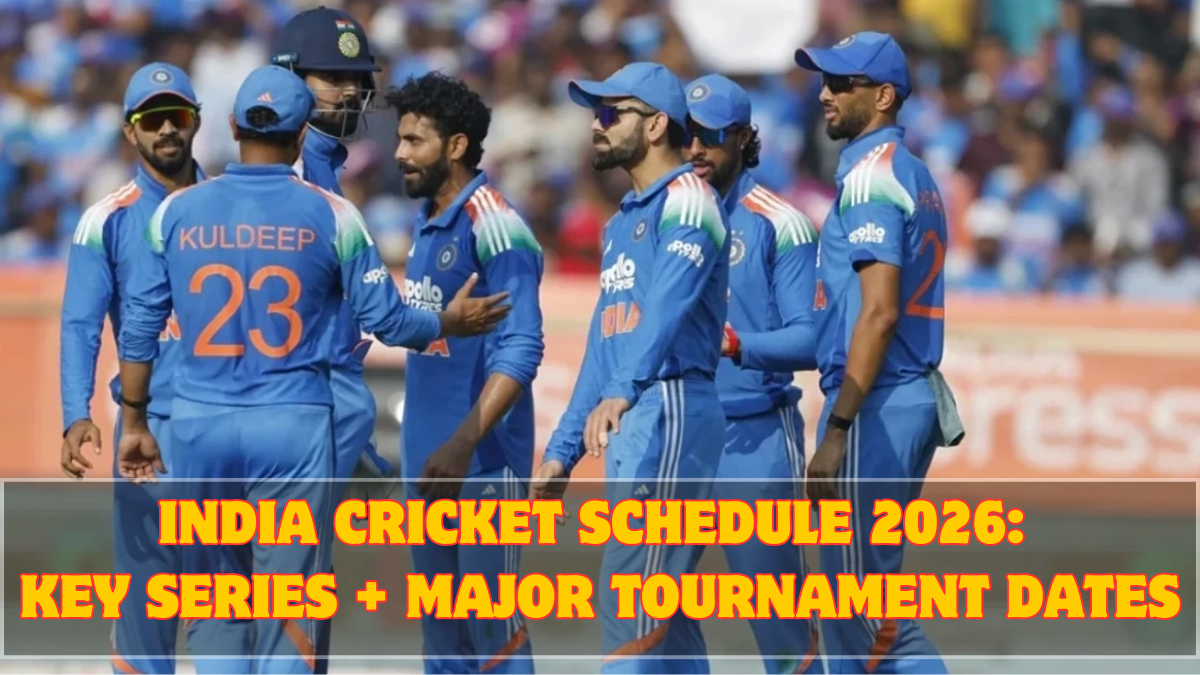
The India cricket schedule 2026 is packed, high-stakes, and fan-heavy. This is not a “watch when free” year—it’s a plan-around year. With major bilateral series, tournament windows, and tight recovery gaps, Team India’s calendar affects everything from player workload to fan travel plans.
This guide breaks down what matters most in 2026—the big series, the tournament blocks, and how fans should plan viewing without burnout.
Why the 2026 Cricket Calendar Feels Intense
The global cricket calendar has tightened.
Key reasons 2026 feels crowded:
• Back-to-back international windows
• Overlap between formats
• Franchise cricket recovery management
• High commercial demand
For fans, that means fewer gaps—and more must-watch moments.
What the 2026 Schedule Means for Team India
The India national cricket team enters 2026 balancing performance with endurance. The focus isn’t just winning series—it’s managing form, injuries, and momentum across formats.
Expect:
• Squad rotation across formats
• Selective rest for senior players
• Tactical prioritisation of key tournaments
Depth matters more than ever.
India vs New Zealand (January 2026): Why It Matters
The India vs NZ Jan window is a fan favorite.
Why this series draws attention:
• Competitive recent history
• Balanced conditions challenge
• Strong bench-testing opportunity
Early-year series often set the tone for the season.
Major Tournament Windows Fans Are Tracking
The biggest calendar blocks matter more than individual matches.
Key tournament considerations:
• T20 World Cup dates (central planning window)
• Warm-up series leading into tournaments
• Recovery periods post-tournaments
These windows dictate squad composition and experimentation.
How the T20 World Cup Shapes the Entire Year
Everything bends around this event.
Impact on the calendar:
• Reduced experimentation close to the tournament
• Defined core squads
• Strategic workload management
Form peaks are timed—not accidental.
Bilateral Series That Actually Matter in 2026
Not all series are equal.
High-importance series:
• Strong opposition challenges
• Preparation for tournament conditions
• Ranking-impacting fixtures
These are treated as rehearsal stages, not filler.
Format Priorities: What India Will Likely Emphasise
Different formats demand different planning.
In 2026:
• T20s drive tactical sharpness
• ODIs focus on stability
• Tests test depth and patience
Each format serves a distinct purpose.
How Squad Rotation Will Affect Star Appearances
Fans should expect rotation.
Reasons:
• Injury prevention
• Travel fatigue
• Long-term form protection
Seeing a different XI doesn’t mean lower stakes—it means smarter management.
What This Means for Young Players
Opportunities open up.
Young players benefit from:
• Selective series exposure
• Role-based inclusion
• Reduced pressure environments
2026 rewards readiness, not reputation.
Travel and Venue Planning for Fans
Fans plan around fixtures more than ever.
Smart fan planning tips:
• Track early series dates
• Book travel close to confirmed venues
• Avoid back-to-back match fatigue
Choosing fewer games enhances the experience.
Broadcast Timing and Viewer Fatigue
Too much cricket can blur excitement.
Avoid burnout by:
• Prioritising marquee matches
• Skipping low-stakes games
• Watching highlights strategically
Not every ball needs live viewing.
Why Test Cricket Still Matters in 2026
Despite format shifts, Tests anchor credibility.
Tests:
• Build player resilience
• Reveal technique gaps
• Define long-term legacies
They remain the toughest benchmark.
Injury Management: The Silent Schedule Factor
Calendars don’t show recovery needs.
Teams must manage:
• Fast bowler workloads
• Travel recovery
• Micro-injuries
Smart scheduling protects careers.
How Weather and Conditions Affect Scheduling
Conditions influence performance.
Planning considers:
• Seasonal weather patterns
• Pitch types
• Home vs away balance
These details shape series outcomes.
What Fans Often Misread About Schedules
Common mistakes:
• Assuming full-strength squads everywhere
• Expecting peak intensity every match
• Ignoring recovery windows
Context improves expectations.
How to Follow the 2026 Season Without Missing Key Moments
Simple approach:
• Mark major series
• Highlight tournament windows
• Track squad announcements
This keeps engagement high without overload.
Why 2026 Is a Transition Year for Indian Cricket
It’s about evolution.
2026 focuses on:
• Bench strength validation
• Leadership grooming
• Tactical consistency
Change happens gradually—not loudly.
Conclusion
The India cricket schedule 2026 isn’t just busy—it’s strategic. With important bilateral series like India vs NZ Jan, major tournament blocks including T20 World Cup dates, and constant format balancing, the year tests depth and discipline as much as skill. For fans, smart planning turns an overwhelming calendar into a rewarding season.
Watch selectively. Follow context. Enjoy the best moments fully.
FAQs
Why does the India cricket schedule feel packed in 2026?
Because international windows are tighter and tournaments carry higher priority.
Will senior players play every series in 2026?
Unlikely. Rotation is expected to manage workload and injuries.
Which series should fans prioritise watching?
Major bilateral clashes and tournament windows offer the highest intensity.
How important is the T20 World Cup to the 2026 calendar?
It’s central—most planning revolves around preparation and recovery for it.
Is Test cricket still important in 2026?
Yes. Tests remain the ultimate measure of skill and endurance.