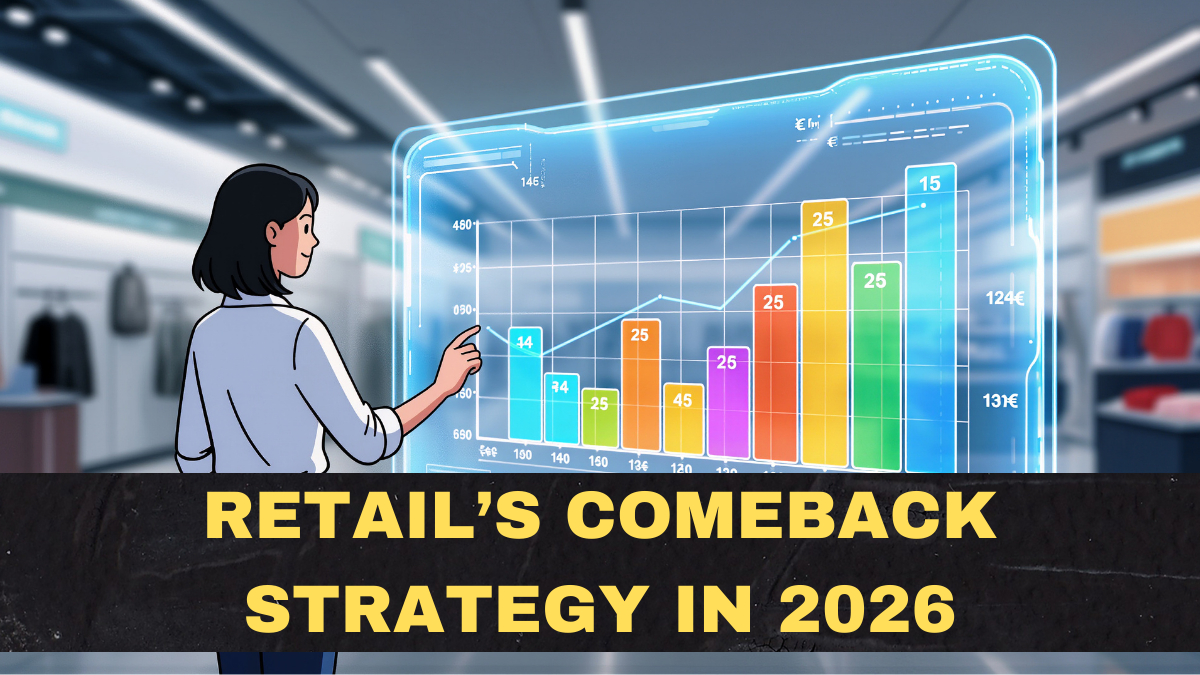
The experiential retail comeback is redefining how physical stores survive and grow in 2026. After years of decline driven by e-commerce, price comparison apps, and convenience culture, brick-and-mortar retail is no longer trying to compete on inventory or discounts. Instead, stores are reinventing themselves as destinations, stages, and social spaces.
In 2026, shelves alone no longer attract foot traffic. People visit stores for experiences, not products.
This shift is not cosmetic. It is structural. Retailers now design stores to host events, build communities, showcase brands emotionally, and give shoppers reasons to leave their screens.
Why Traditional Retail Stopped Working
The old retail model collapsed for clear reasons.
Major pressures include:
• E-commerce convenience
• Price transparency
• Fast delivery expectations
• Declining mall traffic
• Reduced impulse buying
Consumers no longer need stores to:
• Browse inventory
• Compare prices
• Discover products
They can do all of that:
• Online
• Faster
• Cheaper
• With infinite selection
In 2026, stores that only sell products become:
• Showrooms
• Warehouses
• Cost centers
The experiential retail comeback exists because selling alone is no longer enough.
What Experiential Retail Actually Means in 2026
Experience-first stores focus on:
• Interaction
• Emotion
• Community
• Learning
• Entertainment
Common formats now include:
• In-store workshops
• Live demonstrations
• Creator meetups
• Product testing zones
• Pop-up collaborations
• Brand storytelling rooms
The goal is not:
• Immediate conversion
It is:
• Memory creation
• Brand bonding
• Social sharing
• Repeat visits
• Long-term loyalty
In 2026, retail engagement begins before the checkout counter.
Why Store Events Are Driving Foot Traffic Again
Events are the biggest traffic engine.
Popular in-store experiences include:
• Styling sessions
• Fitness classes
• Cooking demos
• Product launches
• Creator appearances
• Community meetups
These events:
• Create urgency
• Encourage visits
• Increase dwell time
• Drive social media
• Build habit
Retailers now plan:
• Weekly programming
• Seasonal activations
• Member-only nights
• Ticketed workshops
Stores are no longer static.
They are live venues.
How Brands Are Turning Stores Into Content Studios
Retail spaces now double as media platforms.
Stores are designed with:
• Filming zones
• Creator corners
• Live streaming setups
• Social photo walls
• Interactive displays
Brands use stores to:
• Produce short-form content
• Host influencer shoots
• Launch campaigns
• Capture testimonials
• Build digital narratives
This allows:
• Offline discovery
• Online amplification
• Cross-channel storytelling
In 2026, the best stores generate:
• Sales
• Content
• Community
• Culture
All from the same space.
Why Community Is Becoming Retail’s Core Asset
Community replaces convenience.
Successful experiential retail focuses on:
• Membership programs
• Local partnerships
• Recurring events
• Customer identity
• Brand tribes
Examples include:
• Running clubs inside shoe stores
• Coffee tastings at cafés
• Beauty workshops
• Gaming nights
• Art exhibitions
These stores become:
• Meeting places
• Social hubs
• Lifestyle centers
When customers feel:
• Known
• Recognized
• Included
They return without promotions.
In 2026, loyalty comes from belonging, not discounts.
How Technology Is Supporting Experience Instead of Replacing It
Technology now enhances physical presence.
Key tools include:
• Smart mirrors
• AR try-ons
• Interactive product walls
• Digital personalization screens
• App-based check-ins
These tools:
• Reduce friction
• Improve discovery
• Enable customization
• Collect insights
• Support engagement
But they do not:
• Replace human staff
• Remove physical interaction
• Eliminate tactile experience
In 2026, the best tech:
• Disappears into experience
• Does not dominate attention
Why Flagship Stores Are Becoming Brand Theaters
Flagships now serve as:
• Brand museums
• Storytelling spaces
• Cultural landmarks
• Media backdrops
• Community headquarters
They feature:
• Installation art
• Interactive timelines
• Product archives
• Custom design labs
• Immersive rooms
These stores often:
• Lose money directly
• Gain influence indirectly
• Drive online sales
• Strengthen brand equity
In 2026, flagship ROI is measured in:
• Awareness
• Social reach
• Loyalty
• Cultural relevance
Not just revenue per square foot.
How Retail Staff Roles Are Changing
Staff are no longer clerks.
New roles include:
• Experience hosts
• Community managers
• Workshop leaders
• Brand educators
• Event coordinators
They are trained in:
• Storytelling
• Personal styling
• Product education
• Relationship building
• Social engagement
In 2026, the best retail employees are:
• Entertainers
• Educators
• Influencers
• Relationship builders
Not cashiers.
Why This Strategy Works Better Than Price Competition
Experience cannot be:
• Copied easily
• Compared instantly
• Undercut online
• Delivered digitally
While prices race to zero, experiences:
• Build emotion
• Create memory
• Generate loyalty
• Increase lifetime value
Shoppers now choose stores based on:
• Atmosphere
• Energy
• Community
• Story
• Identity
In 2026, experiential retail comeback protects:
• Margins
• Differentiation
• Brand power
Better than any discount strategy.
How This Is Changing Retail Economics
Key performance metrics are evolving.
Retailers now track:
• Dwell time
• Event attendance
• Repeat visits
• Social mentions
• Community growth
Stores are evaluated on:
• Engagement yield
• Content creation value
• Brand impact
• Lifetime customer value
Revenue now flows from:
• Direct sales
• Online uplift
• Membership programs
• Ticketed events
• Brand partnerships
In 2026, the store is no longer just:
• A sales channel
It is a marketing engine.
Why This Trend Will Define Physical Retail After 2026
Structural forces guarantee continuation:
• E-commerce dominance
• Experience economy growth
• Social media influence
• Community hunger
• Identity-driven consumption
Future stores will include:
• Learning zones
• Wellness spaces
• Creator studios
• Performance stages
• Personalization labs
Retail will evolve from:
• Transaction spaces
Into:
• Experience platforms
Conclusion
The experiential retail comeback shows how physical stores are reinventing themselves in 2026. By focusing on store events and retail engagement instead of shelves and stock, retailers are transforming shopping into entertainment, education, and community.
In this new era, the most successful stores are not those with the biggest inventories.
They are the ones that create memories, build relationships, and give people reasons to return.
Retail is no longer about what you buy.
It is about what you feel, learn, and experience while buying.
And that change may finally secure the future of physical retail.
FAQs
What is experiential retail?
It is a retail strategy that focuses on events, interaction, storytelling, and community instead of just selling products.
Why are store events becoming popular again?
They drive foot traffic, increase engagement, create urgency, and build emotional connections with customers.
Does experiential retail increase sales?
Yes. It improves loyalty, dwell time, repeat visits, and online conversion through brand engagement.
Are all retailers adopting this model?
Mostly lifestyle, fashion, beauty, fitness, and premium brands are leading, but the model is spreading widely.
Will physical stores survive because of this trend?
Yes. Stores that become experience centers rather than inventory spaces have strong long-term relevance.
Click here to know more.