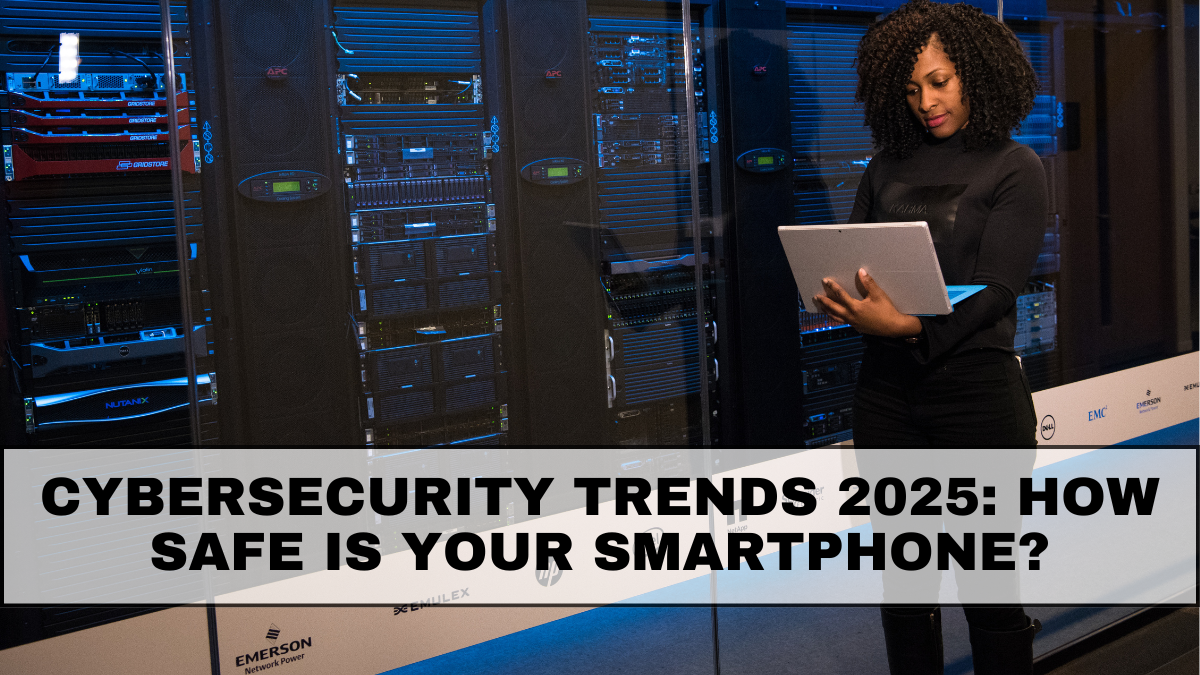
With mobile devices becoming central to daily life, Cybersecurity 2025 has taken on unprecedented importance. Smartphones now store personal information, financial data, and work-related files, making them prime targets for cybercriminals. In 2025, new threats such as malware, phishing, and sophisticated ransomware are increasingly targeting mobile users, prompting both individuals and organizations to adopt stronger security measures.
Mobile cybersecurity threats are evolving rapidly. Hackers are exploiting app vulnerabilities, unsecured networks, and weak authentication methods to gain access to sensitive data. In addition, AI-powered attacks are becoming more common, allowing cybercriminals to automate phishing attempts, generate convincing fake messages, and bypass traditional security layers.
Key Mobile Cybersecurity Threats in 2025
The primary challenges smartphone users face include:
-
Malware and Spyware: Apps disguised as legitimate software can steal data or monitor activity.
-
Phishing Attacks: Fake messages or emails trick users into revealing personal information.
-
Unsecured Networks: Public Wi-Fi hotspots make smartphones vulnerable to interception.
-
Ransomware: Mobile ransomware can lock devices or encrypt files until a ransom is paid.
-
App Vulnerabilities: Outdated or poorly coded apps can be exploited by hackers.
As more services migrate to mobile platforms, the risk landscape expands, requiring proactive protection and awareness.
How Users Can Enhance Mobile Security
Smartphone users can implement several strategies to safeguard their devices:
-
Strong Passwords and Biometrics: Use complex passwords and enable fingerprint or facial recognition.
-
Regular Updates: Keep operating systems and apps updated to patch security vulnerabilities.
-
Secure Connections: Avoid public Wi-Fi for sensitive transactions; use VPNs when necessary.
-
App Permissions: Review permissions to limit data access for third-party apps.
-
Antivirus and Security Apps: Install trusted security software to detect and block threats.
Organizations managing sensitive data also need mobile device management solutions to monitor security and enforce policies.
Emerging Solutions in Cybersecurity
AI-driven threat detection and blockchain authentication are among the technologies improving smartphone security in 2025. Predictive analytics help identify suspicious activity before a breach occurs, while encryption and decentralized authentication methods make unauthorized access more difficult. These innovations, combined with user vigilance, significantly enhance mobile cybersecurity.
Conclusion
Cybersecurity Trends 2025 emphasize that smartphones, while essential, remain vulnerable to an evolving array of threats. Awareness, strong security practices, and advanced technologies are critical for protecting personal and organizational data. Staying informed about emerging threats and adopting proactive measures ensures users can safely navigate the increasingly digital world.
FAQs
What are the main cybersecurity threats for smartphones in 2025?
Malware, phishing, ransomware, unsecured networks, and app vulnerabilities are the primary risks.
How can I protect my mobile device from cyberattacks?
Use strong passwords, keep software updated, avoid public Wi-Fi, review app permissions, and install trusted security apps.
Are AI-powered attacks a serious concern?
Yes, AI allows attackers to automate phishing and generate convincing fake messages, increasing risk.
Can organizations protect employees’ smartphones effectively?
Yes, mobile device management and security policies help secure data on corporate devices.
Is encryption important for mobile cybersecurity?
Absolutely. Encryption ensures that sensitive data remains protected even if the device is compromised.