For years, creators built audiences on platforms that promised reach and monetization. In 2026, that promise feels broken. The creator monetization shift is accelerating as influencers, writers, educators, and streamers move away from platform payouts and toward direct revenue models they actually control.
This isn’t rebellion. It’s self-preservation.
Why the Creator Monetization Shift Is Happening Now
The cracks were always there. They just widened.
Key triggers include:
• Platform payouts shrinking or fluctuating
• Algorithm changes killing reach overnight
• Payment delays and opaque rules
• Rising costs with no income stability
Creators realized growth without ownership isn’t a business. It’s a gamble.
The Platform Promise That Quietly Failed
Platforms sold three ideas:
• Build here
• Grow fast
• Monetize later
What creators experienced instead:
• Dependence on opaque algorithms
• Revenue tied to policies they don’t control
• Sudden demonetization or eligibility changes
The creator monetization shift began when “later” never arrived.
Why Direct Revenue Feels Safer Than Reach
Reach is borrowed. Revenue is owned.
Creators now prioritize:
• Predictable income
• Direct audience relationships
• Transparent pricing
• Fewer middlemen
Ten thousand paying supporters beat a million volatile views.
What ‘Direct Monetization’ Actually Means in 2026
It’s not just subscriptions.
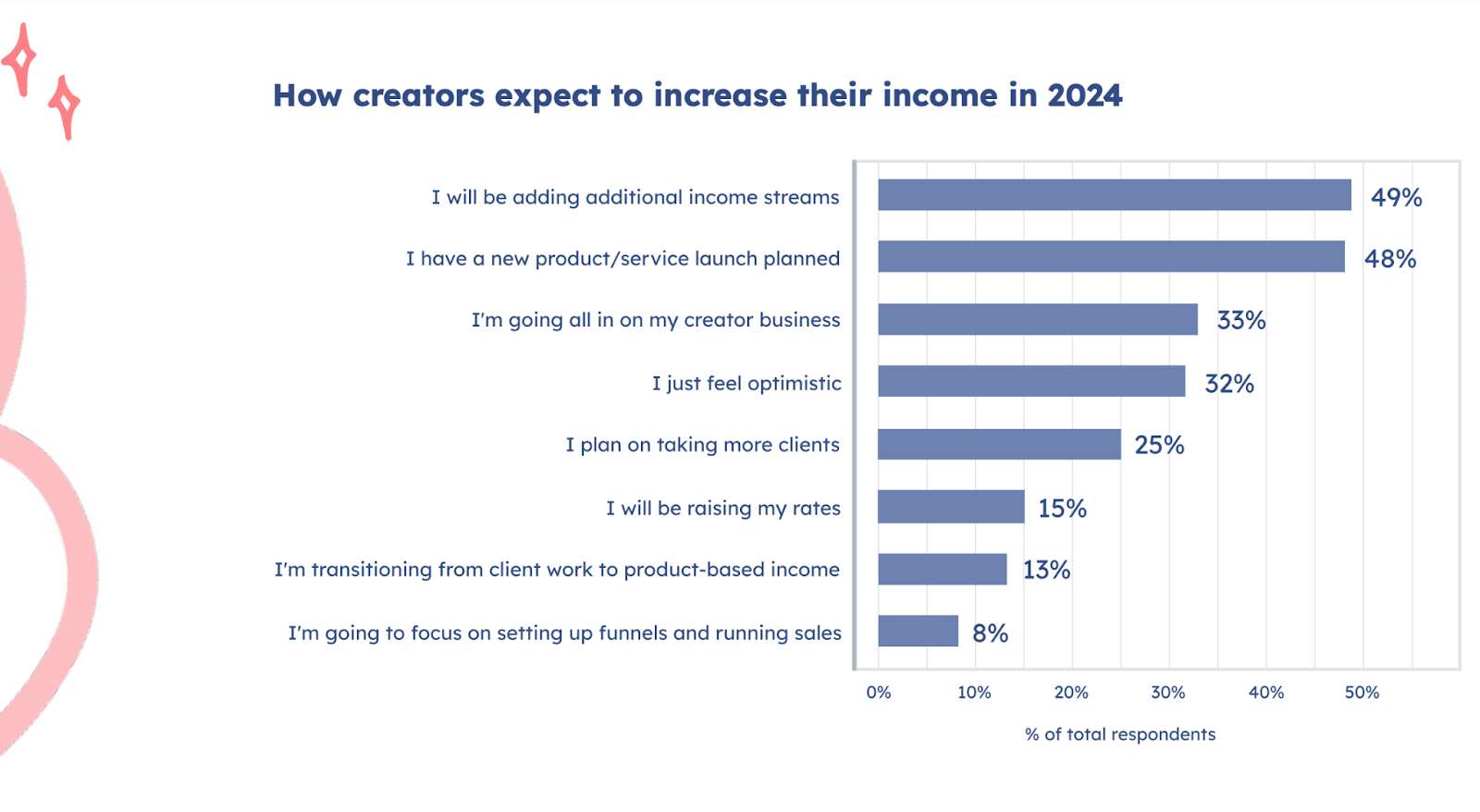
Popular direct revenue streams include:
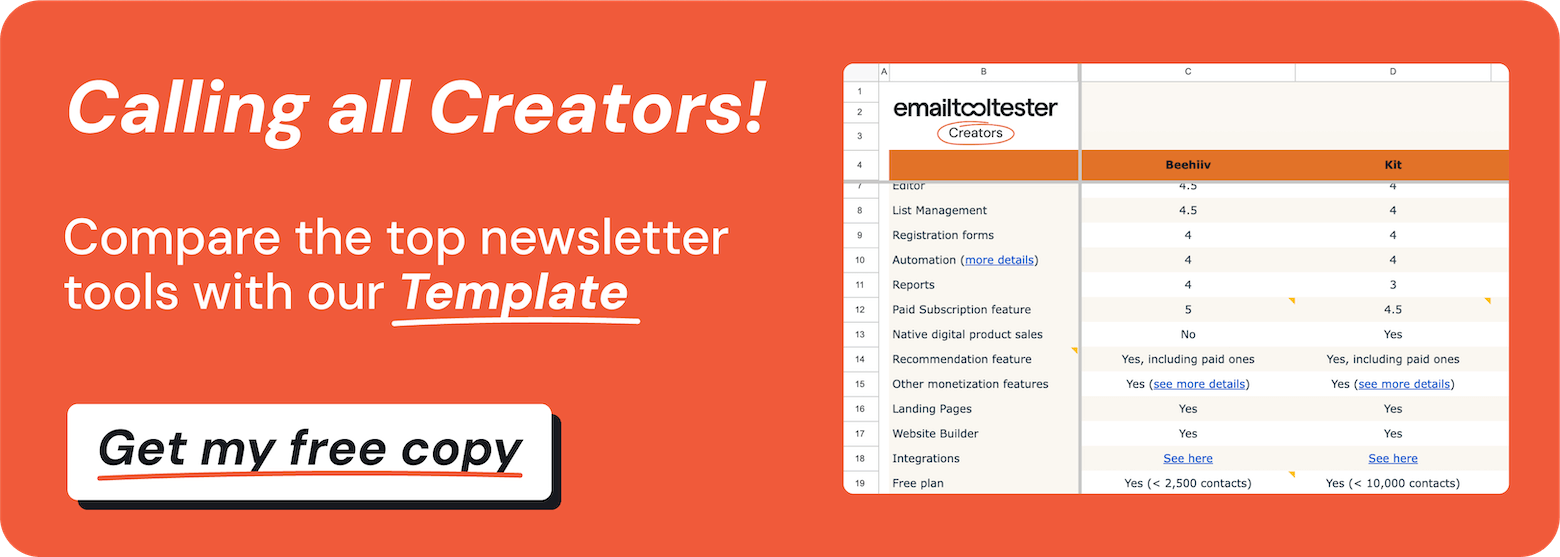
• Paid newsletters
• Membership communities
• Courses and workshops
• One-time digital products
• Live events and consultations
These models anchor income outside platform volatility.
Algorithms reward engagement—not sustainability.
Creators grew tired of:
• Chasing trends
• Posting constantly to stay visible
• Optimizing for reach instead of value
• Losing income after minor reach drops
The creator monetization shift is a reaction to algorithmic anxiety.
How Ownership Changed Creator Mindsets
Email lists beat followers.
Creators now value:
• Contact lists they control
• Audiences they can reach anytime
• Platforms that don’t throttle visibility
Ownership reduces fear. Fear reduction changes strategy.
Why Smaller Creators Benefit the Most
This shift isn’t just for big names.
Smaller creators win because:
• Niche audiences convert better
• Trust scales deeper than reach
• Fewer followers are needed to earn
• Community beats virality
The creator monetization shift rewards relevance over popularity.
What Platforms Are Doing to Slow the Exit
Platforms see the trend—and respond.
Countermoves include:
• New creator funds
• Temporary bonus payouts
• Revenue-sharing experiments
• Monetization feature launches
But incentives without trust don’t stop exits.
The Trade-Off: Slower Growth, Better Stability
Direct monetization isn’t frictionless.
Creators accept:
• Slower audience growth
• More business responsibility
• Marketing outside platforms
In return, they gain control—and peace of mind.
Why Audiences Are Willing to Pay Directly
Audiences aren’t cheap. They’re cautious.
They pay because:
• Value is clearer
• Content feels personal
• Trust is higher
• Ads are reduced
Direct support feels like participation, not consumption.
What This Means for the Creator Economy
The economy is fragmenting.
Likely outcomes:
• Fewer mega-platform dependencies
• More independent creator businesses
• Sustainable mid-sized creators
• Less hype, more longevity
The creator monetization shift is maturing the ecosystem.
Conclusion
The creator monetization shift marks a turning point. Creators aren’t abandoning platforms out of spite—they’re building safety nets. In 2026, success isn’t measured by views alone. It’s measured by how directly creators can sustain themselves.
Ownership isn’t optional anymore. It’s the business.
FAQs
What is the creator monetization shift?
Creators moving away from platform payouts toward direct revenue models.
Why are creators leaving platforms?
Unstable income, algorithm dependence, and lack of control.
Is direct monetization better for small creators?
Often yes—niche audiences convert more reliably.
Do platforms still matter?
Yes, for discovery—but not as the sole income source.
Will this trend continue?
Yes, as long as platforms remain unpredictable.
Click here to know more.