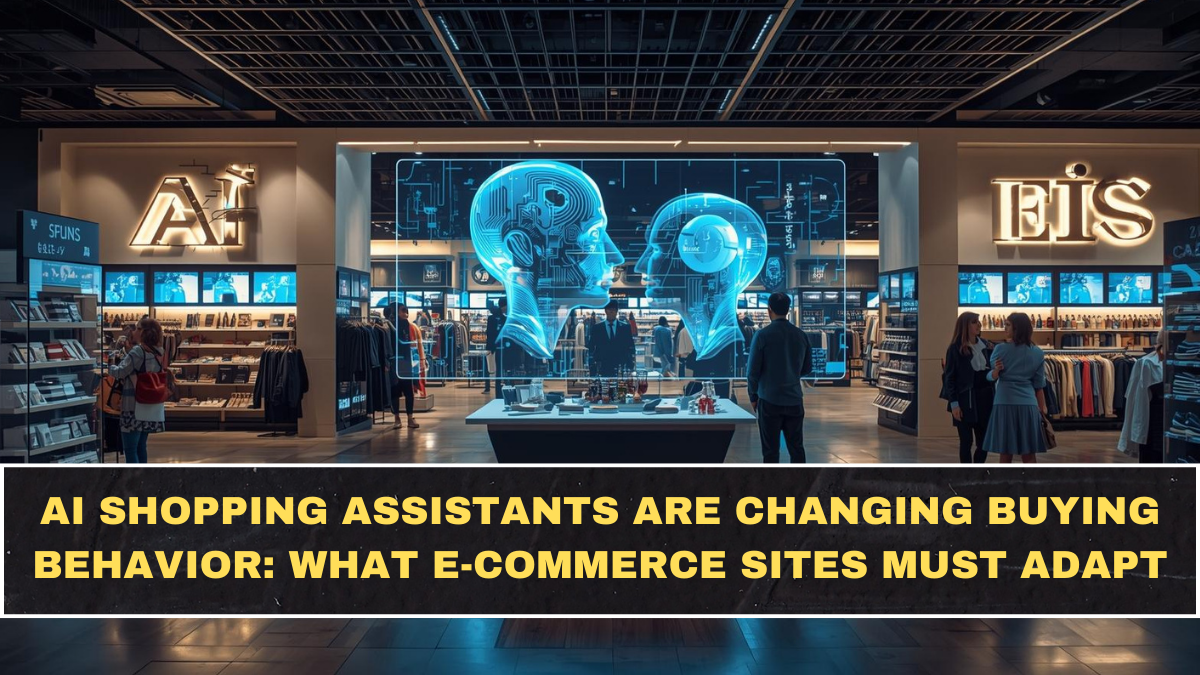
AI shopping assistants in 2026 have quietly become part of how people make buying decisions, even when shoppers don’t consciously label them as such. Product research that once involved opening ten tabs, reading reviews, and comparing prices manually is now compressed into short conversations and automated comparisons. This shift is not cosmetic. It is changing where trust is built, which brands are surfaced, and how purchase intent forms.
The most important change is that shoppers increasingly trust synthesized guidance over brand messaging. AI assistants summarize, filter, and prioritize information based on user preferences, budgets, and constraints. E-commerce sites that still rely only on traditional SEO pages and promotional copy are discovering that they are being skipped in the decision process long before a user ever lands on their site.
Why AI Shopping Assistants Are Gaining Influence in 2026
Modern shopping assistants sit inside browsers, search experiences, and mobile interfaces. They are always present during research moments.
Instead of pushing users toward a single product, they help narrow choices based on context. This feels helpful rather than sales-driven.
As people grow comfortable delegating research, assistants become trusted intermediaries in buying decisions.
How Buying Behavior Has Shifted Subtly
Shoppers now ask questions like “What’s the best option for me?” rather than “Which product is cheapest?”
AI assistants respond by blending specs, reviews, price trends, and compatibility. This reframes shopping as decision support, not browsing.
In 2026, comparison happens before brand consideration, not after.
Why Traditional Product Pages Are Losing Power
Static product pages are designed for scanning, not synthesis. AI assistants prefer structured, comparable information.
Long marketing paragraphs and vague claims provide little value to automated comparison systems.
Sites that fail to present clear, factual product data are less likely to be surfaced during assistant-led research.
The New Role of Structured Product Information
Structured data has become central to visibility. Clear specs, dimensions, compatibility, and usage scenarios matter more than slogans.
AI assistants extract meaning from consistency and clarity. Ambiguity lowers confidence scores silently.
In 2026, structured information is how products enter the assistant’s recommendation set.
Reviews Matter, but Context Matters More
Assistants do not just count star ratings. They analyze review themes, sentiment, and relevance to user needs.
A product with mixed reviews may still be recommended if negatives do not apply to a specific buyer context.
This rewards honest feedback and penalizes manipulated or shallow review ecosystems.
Price Transparency Influences Trust
Hidden costs, unclear return policies, and confusing pricing reduce recommendation likelihood.
AI assistants flag friction points that humans might overlook initially. This changes how price competitiveness is evaluated.
In 2026, transparent pricing improves not just conversion, but assistant trust.
Why Brand Authority Is Being Reinterpreted
Brand strength still matters, but it is measured differently. Assistants weigh reliability, return rates, and post-purchase satisfaction.
Marketing-driven authority without operational consistency weakens over time.
Brands earn visibility by reducing buyer regret, not by shouting louder.
How E-Commerce Sites Must Adapt Their Content
Content must answer comparison questions directly. “Who is this for?” and “Who should avoid this?” matter more than feature lists.
FAQs, comparison tables, and clear use-case explanations improve assistant comprehension.
In 2026, content clarity beats persuasion for discovery.
The Risk of Being Disintermediated
When assistants handle discovery, brands risk losing direct customer relationships.
Sites that rely solely on traffic arbitrage or aggressive ads are vulnerable. Loyalty and post-purchase value matter more.
Building reasons for customers to return directly becomes a strategic priority.
Opportunities for E-Commerce Brands
AI assistants also create opportunity. Products that fit clear niches surface more consistently.
Brands that understand their ideal customer and express it clearly gain disproportionate visibility.
In 2026, focus and honesty outperform broad appeal.
What This Means for Smaller Sellers
Smaller sellers are no longer buried automatically. Assistants evaluate fit, not just brand size.
Clear positioning, good data, and reliable fulfillment level the playing field.
This shift rewards discipline over marketing budget.
Conclusion: Shopping Is Becoming Assisted, Not Autonomous
AI shopping assistants in 2026 are not replacing choice. They are reshaping how choices are formed.
E-commerce sites that adapt by prioritizing clarity, structure, and buyer relevance remain visible. Those that rely on old discovery models fade quietly.
The future of online shopping belongs to brands that help assistants help buyers.
FAQs
Do AI shopping assistants replace marketplaces?
No, they guide decisions but still rely on marketplaces for fulfillment.
Can small brands compete with big brands using AI assistants?
Yes, if they clearly match specific buyer needs.
Do AI assistants favor cheaper products?
Not always, they prioritize suitability over lowest price.
Is structured data mandatory for visibility?
It is not mandatory, but it significantly improves recommendation chances.
Will affiliate marketing still work?
Yes, but transparency and value alignment matter more.
Should brands optimize for assistants directly?
They should optimize for clarity and trust, which assistants reward naturally.