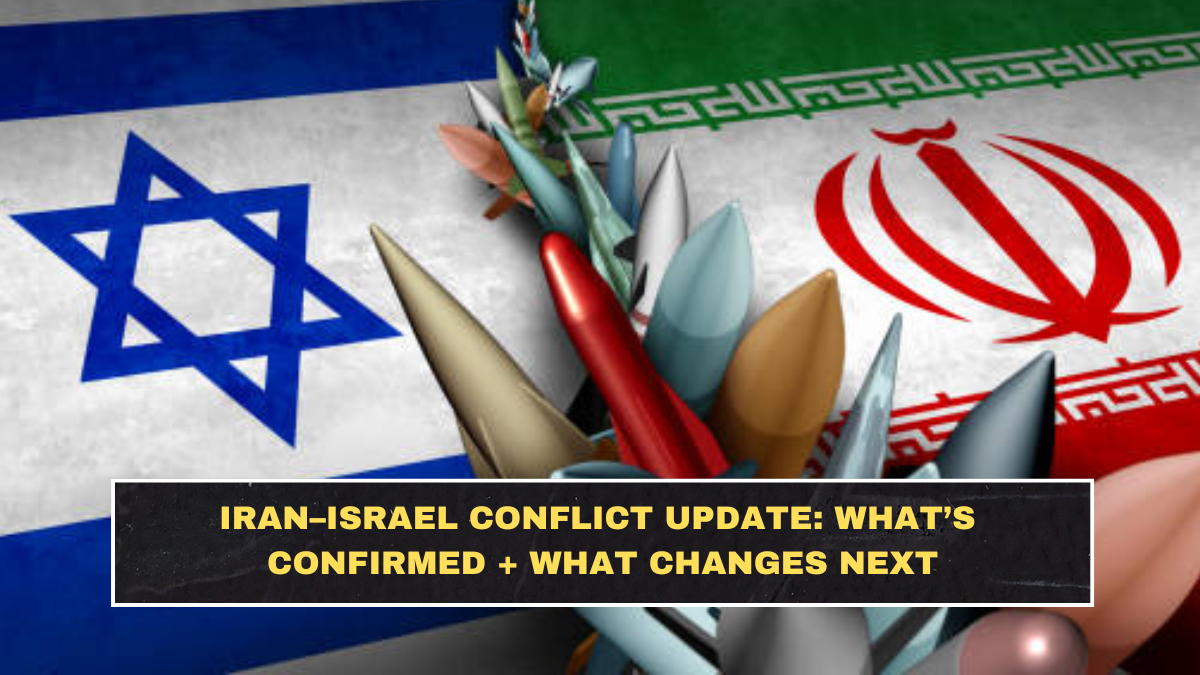
The Iran–Israel conflict has drawn global attention due to its potential impact on regional security, global oil markets, and international travel routes. While tensions between the two countries have existed for years, recent developments have intensified concerns about broader instability in the Middle East.
Global markets, airlines, and governments closely monitor the situation because the region plays a critical role in energy supply, trade routes, and geopolitical alliances. Any escalation in the conflict can influence oil prices, financial markets, and aviation operations.
Understanding what has been confirmed and how events are unfolding helps provide a clearer picture of the situation without relying on speculation or unverified reports.
Timeline of Key Developments
Major geopolitical events often unfold over time, and tracking the sequence of developments helps explain the broader context of the conflict.
| Timeline Stage | Event Description | Global Impact |
|---|---|---|
| Rising tensions | Diplomatic and security tensions increase between countries | Heightened global concern |
| Regional alerts | Governments and military forces increase readiness | Security advisories issued |
| Military incidents | Limited strikes or security operations reported | Markets react with volatility |
| International response | Global leaders call for de-escalation | Diplomatic pressure increases |
These stages reflect how conflicts evolve and why international observers closely track each development.
Why the Conflict Matters Globally
The Middle East is one of the most strategically important regions in the world due to its influence on energy markets and global trade.
| Global Area | Why It Matters |
|---|---|
| Energy supply | Large portion of global oil exports originate in the region |
| Trade routes | Important shipping corridors pass through the region |
| Aviation routes | Many international flights cross Middle Eastern airspace |
| Global diplomacy | International alliances influence responses |
Because of these connections, geopolitical tensions in the region often influence global markets and economic expectations.
Impact on Global Oil Markets
Oil markets are particularly sensitive to geopolitical developments in the Middle East. Any perceived threat to supply can lead to rapid price movements.
| Market Factor | Possible Impact |
|---|---|
| Supply disruption risk | Oil prices may increase |
| Shipping route concerns | Energy transportation costs rise |
| Market speculation | Commodity volatility increases |
| Strategic reserves discussions | Governments consider supply stability |
When investors anticipate potential disruptions to energy supply, oil prices can react quickly even before actual shortages occur.
Effects on Financial Markets
Financial markets often respond immediately to geopolitical developments.
| Market Area | Possible Reaction |
|---|---|
| Stock markets | Increased volatility |
| Currency markets | Investors move toward safer currencies |
| Commodity markets | Energy and gold prices may rise |
| Bond markets | Demand for safe assets increases |
These reactions reflect how investors adjust portfolios during periods of geopolitical uncertainty.
Impact on Aviation and Travel
The Middle East serves as a major transit corridor for international aviation routes.
| Aviation Issue | Potential Effect |
|---|---|
| Airspace restrictions | Flights may reroute |
| Airline schedule changes | Delays or longer travel times |
| Security advisories | Governments issue travel alerts |
| Insurance costs | Aviation risk premiums increase |
Airlines sometimes adjust flight paths or schedules to avoid regions experiencing heightened security concerns.
What Analysts Are Watching Next
Global analysts continue to monitor several indicators to assess whether tensions may escalate or stabilize.
| Indicator | Why It Matters |
|---|---|
| Diplomatic negotiations | Signals possibility of de-escalation |
| Military activity levels | Indicates risk of escalation |
| Oil supply stability | Determines impact on energy markets |
| International policy responses | Influences geopolitical balance |
These indicators help policymakers, investors, and businesses anticipate potential developments.
Conclusion
The Iran–Israel conflict remains a major geopolitical issue that can influence global energy markets, aviation routes, and financial markets. While developments continue to evolve, monitoring verified updates and official information helps provide a clearer understanding of the situation.
For global markets and governments, the primary focus remains on maintaining stability, protecting energy supply routes, and preventing broader regional escalation.
FAQs
Why is the Iran–Israel conflict important globally?
The conflict affects global energy supply, international trade routes, and geopolitical stability in the Middle East.
Can the conflict affect oil prices?
Yes. Because the Middle East produces a large portion of the world’s oil, tensions in the region can influence global oil prices.
Does geopolitical conflict affect stock markets?
Financial markets often react to geopolitical uncertainty with increased volatility and shifts toward safer assets.
Could flights be affected by the conflict?
Airlines may reroute flights or adjust schedules if airspace restrictions or security advisories are issued.
How do governments respond to such conflicts?
Governments often issue diplomatic statements, travel advisories, and policy measures aimed at maintaining regional stability.
Click here to know more.