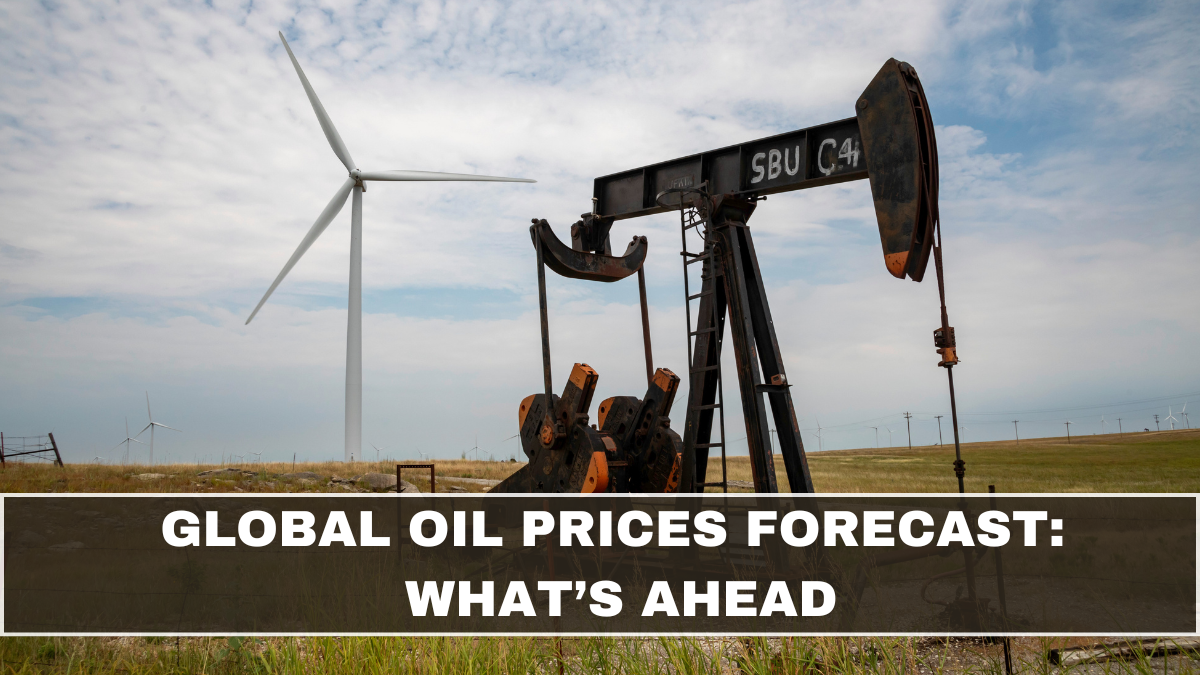
The global oil prices forecast remains one of the most closely watched indicators in the energy and economic landscape. Oil prices influence inflation, transportation costs, manufacturing expenses, and overall economic growth. As 2026 approaches, supply shifts, geopolitical tensions, and demand trends continue to shape market expectations.
Understanding the oil market outlook requires examining both macroeconomic forces and industry-specific developments.
What’s Driving Oil Prices?
1. Supply Decisions from Major Producers
Production policies from leading exporters and alliances such as Organization of the Petroleum Exporting Countries (OPEC) significantly impact global supply. Coordinated production cuts or increases can tighten or loosen markets quickly.
Additionally, output levels from the United States, Saudi Arabia, and Russia remain critical variables in the global oil prices forecast.
2. Global Demand Trends
Oil demand closely tracks economic growth. Expanding economies in China and India continue to influence consumption patterns, particularly in transportation and industrial sectors.
If global GDP growth slows, oil demand projections may be revised downward, putting pressure on prices.
3. Geopolitical Risks
Conflict, sanctions, and trade disputes can disrupt supply routes and elevate risk premiums in the market. Regions such as the Middle East and Eastern Europe often introduce volatility into oil pricing.
4. Strategic Petroleum Reserves
Governments may release or replenish reserves to stabilize domestic markets. Large-scale releases can temporarily ease upward price pressure.
Energy Price Trends Heading into 2026
Recent trends influencing the global oil prices forecast include:
-
Gradual normalization of post-pandemic demand
-
Increased investment in upstream production
-
Energy transition policies affecting fossil fuel investment
-
Expansion of renewable energy infrastructure
-
Currency fluctuations impacting commodity pricing
Oil remains priced globally in U.S. dollars, so currency movements can amplify or moderate price swings.
Market Scenarios for 2026
Energy analysts generally outline three broad scenarios for the oil market outlook:
Bullish Scenario
-
Strong global economic growth
-
Limited spare production capacity
-
Escalating geopolitical disruptions
-
Tight supply-demand balance
Under this scenario, prices could trend higher due to constrained supply.
Base Case Scenario
-
Moderate economic expansion
-
Balanced production levels
-
Stable geopolitical environment
-
Steady but controlled demand growth
Prices may remain range-bound with manageable volatility.
Bearish Scenario
-
Global economic slowdown
-
Increased production output
-
Accelerated renewable adoption
-
Weak industrial demand
This could push prices lower if supply outpaces consumption.
Impact on Inflation and the Economy
Oil price movements directly influence:
-
Fuel and transportation costs
-
Airline and shipping expenses
-
Consumer goods pricing
-
Manufacturing margins
Higher oil prices typically contribute to inflationary pressure, prompting central banks to monitor energy markets closely.
Risks to the Forecast
Even the most informed global oil prices forecast can be disrupted by unexpected events:
-
Natural disasters affecting production facilities
-
Rapid technological advances in alternative energy
-
Policy changes on carbon emissions
-
Major financial market shocks
Volatility is inherent in energy markets, making flexibility in forecasting essential.
Investment and Business Implications
Energy producers, refiners, airlines, and logistics firms closely track the oil market outlook to guide budgeting and investment decisions.
Investors often monitor:
-
Production guidance from major oil companies
-
Capital expenditure trends
-
Inventory data reports
-
Futures market positioning
Energy stocks and commodity ETFs frequently respond quickly to oil price expectations.
Long-Term Structural Considerations
While short-term fluctuations dominate headlines, long-term factors influencing the global oil prices forecast include:
-
Global population growth
-
Industrialization in emerging markets
-
Electric vehicle adoption rates
-
Carbon policy implementation
-
Infrastructure investment in clean energy
The balance between traditional fossil fuels and renewable alternatives will shape the energy price trend over the next decade.
Conclusion
The global oil prices forecast for 2026 depends on a delicate balance between supply management, global demand strength, geopolitical stability, and energy transition policies. While volatility is likely to persist, structural energy demand remains significant worldwide.
Businesses, policymakers, and investors must closely monitor economic indicators and production signals to navigate the evolving oil market landscape.
FAQs
What is the biggest driver of oil prices?
Supply decisions by major producers and global demand growth are the primary drivers.
Can renewable energy lower oil prices long term?
Yes, widespread renewable adoption could reduce long-term oil demand, potentially easing price pressure.
How do oil prices affect inflation?
Higher oil prices increase transportation and production costs, often raising consumer prices.
Are oil markets volatile?
Yes. Geopolitical events and economic shifts frequently cause sharp price swings.
Is oil demand still growing globally?
In many emerging markets, demand continues to expand despite the energy transition movement.