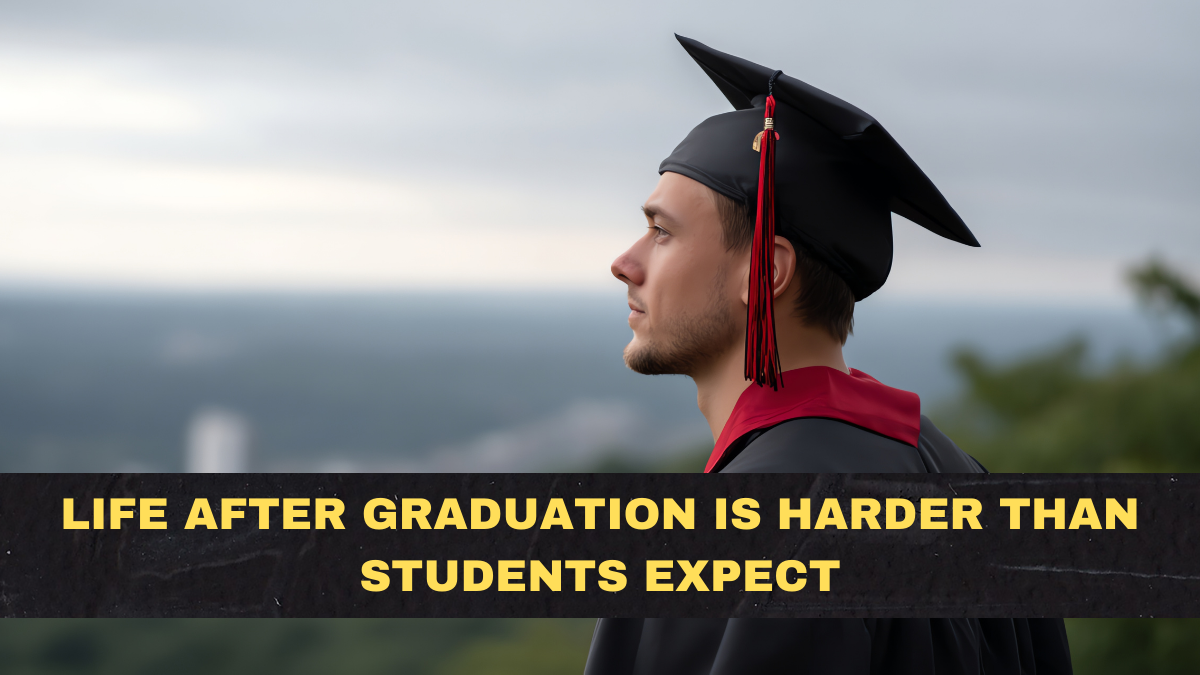
Graduation is often treated as a finish line, a moment where years of effort finally convert into stability and independence. In 2026, that assumption is breaking down for a large number of students across India. Instead of clarity, many graduates step into uncertainty, short-term roles, and prolonged job searches that feel nothing like the secure future they imagined while studying.
What makes life after graduation especially difficult is the emotional contrast. Expectations are high, family hopes are intense, and personal confidence is fragile. When reality does not match those expectations, confusion and self-doubt set in quickly. The transition from student life to professional life has become one of the most underestimated challenges in modern careers.
Why Graduation No Longer Guarantees Stability
A degree once signaled readiness for the job market. In 2026, it mostly signals eligibility to apply.
Employers expect skills, experience, and adaptability from day one. Graduation alone does not meet those expectations anymore.
This gap turns the post-graduation phase into a waiting period rather than a launchpad.
The Shock of the Job Market Reality
Many graduates expect structured hiring, clear roles, and predictable growth. Instead, they face vague job descriptions and intense competition.
Rejections come quickly and without explanation. Confidence erodes faster than expected.
The emotional shock of this reality often catches graduates unprepared.
Why Job Gaps Are Becoming Common After Graduation
Delayed placements, hiring freezes, and skill mismatches push many graduates into unplanned gaps.
These gaps are not always due to laziness, but to lack of opportunity and clarity.
In 2026, job gaps are becoming normal, even though stigma still exists.
The Pressure to Take Any Job Available
Family expectations and financial pressure push graduates to accept the first offer they receive.
These roles are often misaligned with long-term goals. Dissatisfaction begins early.
Short-term survival choices create long-term career frustration.
Mental Health Struggles During the Transition Phase
Uncertainty triggers anxiety, comparison, and loss of self-worth. Graduates question their abilities despite years of effort.
Social media amplifies this stress by showcasing selective success stories.
The post-graduation phase has quietly become a mental health pressure point.
Why College Didn’t Prepare Students for This Phase
Colleges focus on academics and placements, not transition readiness.
Skills like job searching, rejection handling, and self-direction are rarely taught.
Graduates step out with degrees but without navigation tools.
The Skill Confidence Gap After Graduation
Graduates know theory but doubt their practical ability. This hesitation shows in interviews and early roles.
Lack of confidence becomes self-fulfilling, affecting performance and opportunities.
In 2026, confidence gaps are as limiting as skill gaps.
How Comparison Makes the Transition Harder
Seeing peers succeed quickly creates pressure and shame.
Graduates compare timelines without knowing full stories. Self-judgment intensifies.
Comparison turns a normal transition into a personal failure narrative.
Why Career Paths Are Rarely Linear After Graduation
Modern careers involve detours, experiments, and setbacks.
Graduates expect straight lines and panic when progress feels uneven.
Accepting non-linear growth reduces unnecessary stress.
What Helps Graduates Navigate Life After College Better
Building skills alongside job searching restores control. Small wins rebuild confidence.
Seeking guidance, not isolation, helps normalize the struggle.
In 2026, adaptability matters more than immediate placement.
What Graduates Should Stop Expecting Immediately
Instant stability, perfect roles, and rapid success are unrealistic expectations.
Letting go of rigid timelines reduces frustration.
Growth after graduation is slower but still meaningful.
Conclusion: Graduation Is a Transition, Not an Arrival
Life after graduation feels harder because expectations have not caught up with reality.
In 2026, the post-graduation phase is a testing ground, not a failure stage.
Those who treat it as a period of adjustment, learning, and patience navigate it far better than those who expect instant clarity.
FAQs
Why is life after graduation so difficult in 2026?
Because degrees no longer guarantee jobs, and employers expect skills and experience immediately.
Is it normal to feel lost after graduation?
Yes, uncertainty and confusion are common during the transition phase.
Are job gaps after graduation a bad sign?
No, job gaps are increasingly common and often unavoidable.
Why do graduates feel pressure to accept any job?
Family expectations and financial stress push quick decisions.
Did colleges fail to prepare students for this phase?
Many colleges focus on academics, not real-world transition skills.
What helps most during the post-graduation phase?
Skill-building, patience, guidance, and realistic expectations.