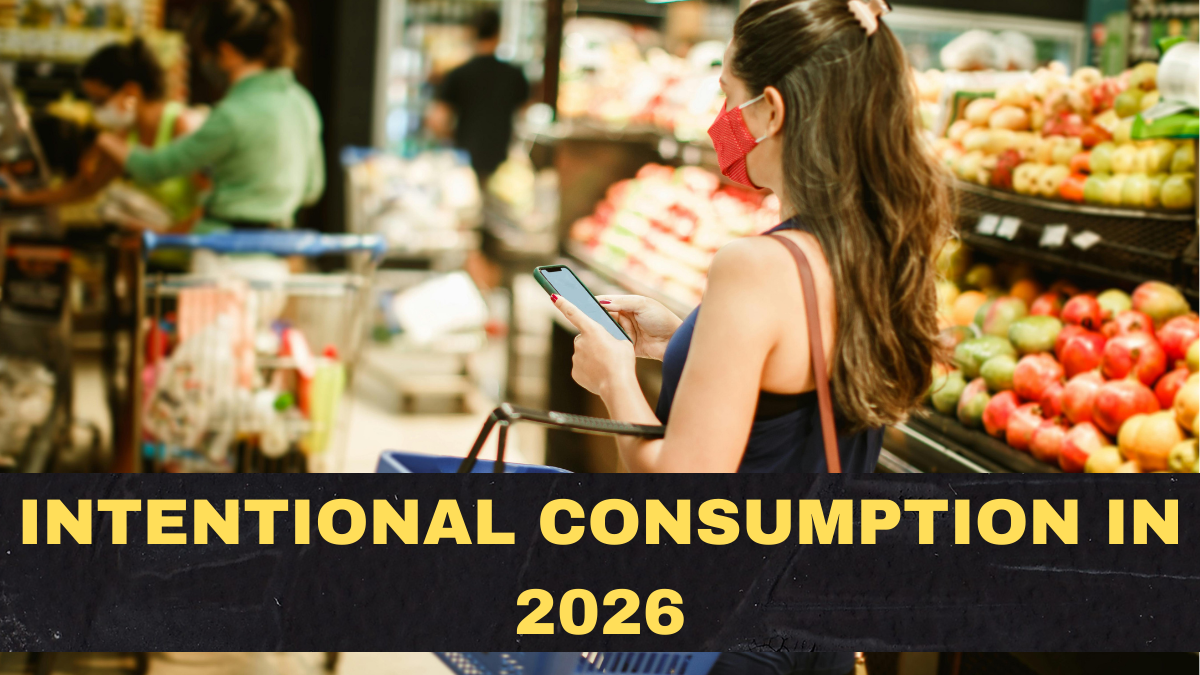
The rise of intentional consumption is one of the most powerful behavioral shifts shaping markets in 2026. After years of impulse buying, trend chasing, and algorithm-driven spending, consumers are now making faster but more deliberate decisions. They are not buying less because they lack money. They are buying less because they want control.
This shift does not mean people have stopped enjoying luxury, indulgence, or status. It means they now reserve those moments carefully. Everyday spending is becoming disciplined, while selective splurging remains emotionally meaningful.
In 2026, the new consumer mindset is simple. Spend less often. But spend more intentionally.
Why Intentional Consumption Is Replacing Impulse Culture
Several forces pushed this change.
The strongest drivers include:
• Inflation fatigue
• Economic uncertainty
• Subscription overload
• Digital ad saturation
• Sustainability awareness
Consumers now experience:
• Decision fatigue
• Financial anxiety
• Regret from impulse buys
• Closet and storage overload
• Desire for simplicity
As a result, they now prefer:
• Planned purchases
• Clear value
• Emotional relevance
• Long-term use
• Reduced waste
Intentional consumption thrives because:
• It reduces regret
• Improves financial confidence
• Aligns with identity
• Feels empowering
In 2026, control has become the new luxury.
How Mindful Buying Changes Decision Speed
Surprisingly, decisions are becoming faster.
But not impulsive.
Modern buyers now:
• Research briefly
• Compare quickly
• Decide confidently
• Avoid browsing endlessly
They know:
• What they want
• What they value
• What they will not buy
Mindful buying eliminates:
• Random scrolling
• Algorithmic distraction
• Promotional confusion
• Over-choice paralysis
This allows consumers to:
• Decide faster
• Spend less time shopping
• Avoid second thoughts
• Stick to budgets
In 2026, intentional buyers are not slow.
They are decisive.
Why Value Brands Are Winning Over Premium in Daily Spending
Daily categories are changing fastest.
Consumers now choose:
• Private labels
• Value brands
• Functional products
• Refill formats
• Minimal packaging
They prioritize:
• Utility
• Price stability
• Quality consistency
• Transparency
They avoid:
• Overbranding
• Trend-driven pricing
• Cosmetic upgrades
• Emotional manipulation
This allows value brands to:
• Gain market share
• Build loyalty
• Increase basket penetration
• Reduce churn
In 2026, premium survives mainly in:
• Occasional purchases
• Identity categories
• Milestone moments
Everyday spending belongs to:
• Rational
• Reliable
• Affordable
How Selective Splurging Still Thrives
Intentional consumption does not kill indulgence.
It concentrates it.
Consumers now splurge on:
• Travel
• Experiences
• Milestone gifts
• Personal upgrades
• Health and wellness
They justify splurges because:
• Everyday spending is controlled
• Indulgence feels earned
• Purchases feel meaningful
• Regret risk is low
They spend more on:
• Fewer categories
• Higher quality
• Longer lasting items
• Identity-driven products
In 2026, splurging is not random.
It is strategic self-reward.
Why Emotional Value Matters More Than Price
Price sensitivity remains high.
But emotion now guides final choice.
Buyers ask:
• Does this improve my life?
• Will I use it often?
• Does it reflect who I am?
• Will I regret this later?
They choose products that:
• Reduce friction
• Improve routine
• Deliver satisfaction
• Support identity
Brands that succeed focus on:
• Purpose
• Utility
• Longevity
• Emotional clarity
In 2026, the strongest positioning is not cheap or premium.
It is worth it.
How Subscription Fatigue Reinforced Intentional Buying
Subscription overload accelerated this trend.
Consumers now cancel:
• Streaming bundles
• Beauty boxes
• Meal kits
• Software add-ons
• Auto-renew services
They prefer:
• One-time purchases
• Transparent pricing
• Ownership over access
• Fewer commitments
This reinforces:
• Purchase planning
• Budget discipline
• Conscious choice
In 2026, automatic spending is declining.
Manual decision-making is rising.
Why Sustainability Aligns Perfectly With This Shift
Sustainability now meets practicality.
Consumers prefer:
• Fewer items
• Better durability
• Repairable products
• Refillable formats
• Lower waste
But the motivation is not:
• Ideology
It is:
• Cost control
• Storage management
• Convenience
• Reduced clutter
Intentional consumption reduces:
• Overbuying
• Returns
• Waste
• Disposal guilt
In 2026, sustainability succeeds because:
• It saves money
• Simplifies life
• Improves control
How Retail Experiences Are Adapting
Retailers are redesigning around intention.
Key changes include:
• Clear price architecture
• Reduced SKU clutter
• Guided shopping journeys
• Value tier segmentation
• Transparent labeling
Stores now emphasize:
• Product education
• Usage guidance
• Comparison clarity
• Decision confidence
They reduce:
• Promotional noise
• Endless assortments
• Confusing bundles
In 2026, the best retail experiences help customers:
• Decide quickly
• Buy confidently
• Leave satisfied
Why Algorithms Are Losing Influence Over Purchases
Algorithmic shopping is weakening.
Consumers now:
• Ignore recommendations
• Block ads
• Limit social commerce
• Avoid impulse feeds
• Unsubscribe from promo emails
They trust more:
• Personal experience
• Reviews
• Friends
• Known brands
• Habit
Intentional consumption reduces:
• Trend chasing
• Influencer-driven buying
• Viral product spikes
In 2026, identity beats algorithm.
How Brands Must Reposition for This Buyer
Winning strategies now include:
• Clear value propositions
• Transparent pricing
• Fewer SKUs
• Strong hero products
• Long product cycles
Brands that succeed:
• Communicate utility
• Emphasize longevity
• Reduce hype
• Build trust
• Support repeat use
They avoid:
• Gimmicks
• Artificial scarcity
• Over-launching
• Trend dependency
In 2026, growth comes from:
• Loyalty
• Repeat purchase
• Lifetime value
Not from:
• Viral spikes
Why This Shift Will Permanently Reshape Markets
Structural forces guarantee durability:
• Economic volatility
• Mental load awareness
• Minimalism culture
• Sustainability regulation
• Aging populations
Future consumption will favor:
• Fewer categories
• Higher relevance
• Planned upgrades
• Emotional meaning
Intentional consumption is not restraint.
It is self-directed abundance.
Conclusion
The rise of intentional consumption marks a fundamental change in how people shop in 2026. By embracing mindful buying and prioritizing value brands for everyday needs, consumers are building systems that protect their money, time, and emotional energy.
They still splurge.
They still enjoy luxury.
But they now choose:
• When
• Where
• Why
In this new economy, the most powerful buyer is not the one who spends the most.
It is the one who spends with clarity, control, and confidence.
And that discipline may become the defining consumer advantage of the decade.
FAQs
What is intentional consumption?
It is the habit of making deliberate, planned purchases instead of impulse buying, focusing on value, relevance, and long-term use.
Does this mean consumers are spending less?
Yes on everyday items, but they still splurge selectively on experiences, milestones, and high-meaning purchases.
Why are value brands growing faster?
Because consumers prioritize utility, price stability, and reliability for daily spending.
Is this trend driven by economic fear?
Partly, but it is mainly driven by desire for control, simplicity, and reduced regret.
Will intentional consumption continue after 2026?
Yes. It aligns with long-term shifts toward minimalism, sustainability, and financial self-awareness.
Click here to know more.