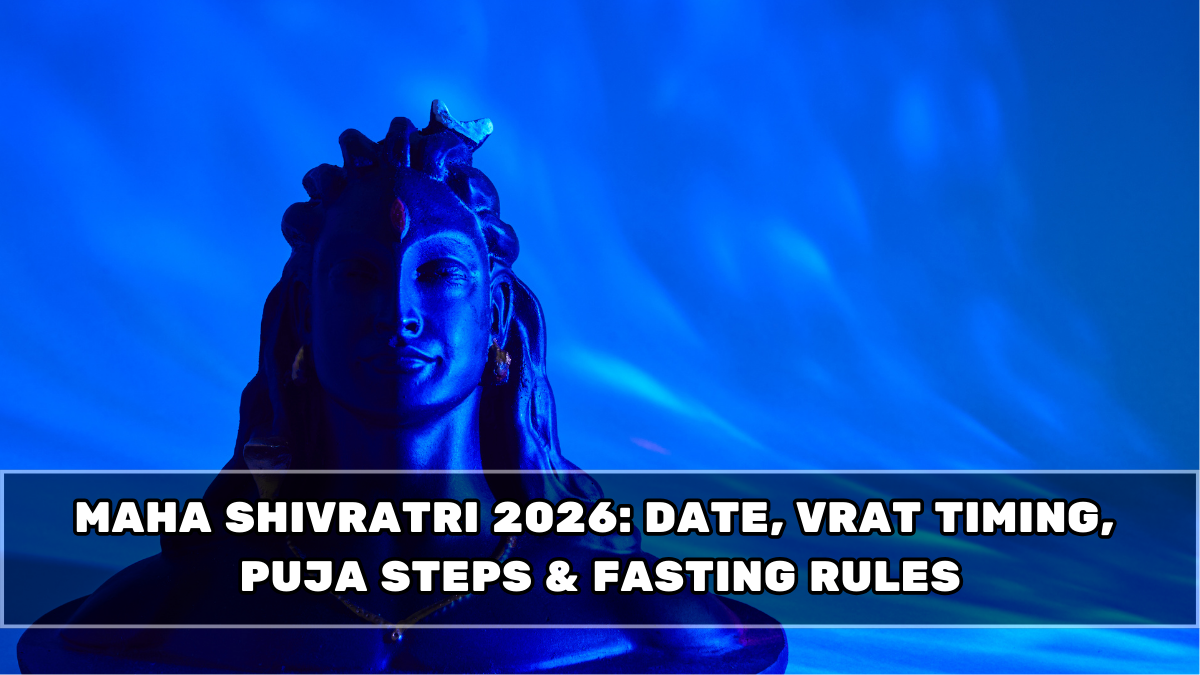
The search for the maha shivratri 2026 date intensifies every year as devotees plan fasting, night-long worship, and temple visits. Unlike many festivals that focus on celebration, Maha Shivratri is about discipline, awareness, and spiritual focus. Missing the correct timing or misunderstanding vrat rules can dilute the intent of the observance.
This guide explains the confirmed date, vrat timing logic, puja steps in simple terms, and practical fasting rules—especially useful for first-timers.

Why Maha Shivratri Is Spiritually Significant
Maha Shivratri is dedicated to Lord Shiva and symbolises stillness, discipline, and inner transformation.
Its significance lies in:
• Night-long spiritual observance
• Focus on meditation and restraint
• Symbolism of balance between destruction and renewal
• Emphasis on self-control rather than celebration
This is why timing and method matter more than rituals alone.
Maha Shivratri 2026 Date Explained
The maha shivratri 2026 date is determined based on the lunar calendar and falls on the Chaturdashi (14th night) of the Krishna Paksha in the month of Phalguna.
Important understanding:
• The festival follows tithi, not calendar date alone
• Observance is linked to night hours
• Regional calendars may show slight variations
Always rely on officially published Hindu Panchang calculations for accuracy.
Understanding Vrat Timing on Maha Shivratri
Vrat timing is where most confusion happens.
Key points:
• Fasting usually begins in the morning
• Main worship occurs at night
• The night is divided into four prahars
• Devotees may observe one or all prahars
The spiritual focus peaks during night hours, not daytime.
The Four Prahar Worship Concept
Maha Shivratri puja is traditionally divided into four phases.
Each prahar represents:
• Discipline
• Devotion
• Self-awareness
• Spiritual awakening
Devotees may perform abhishek in each prahar or focus on meditation and chanting.
Simple Maha Shivratri Puja Steps
You don’t need complex rituals.
Basic puja steps include:
• Clean space and calm preparation
• Offering water or milk to Shivling
• Chanting “Om Namah Shivaya”
• Lighting a diya
• Maintaining silence or mindful awareness
Simplicity and intent matter more than scale.
Fasting Rules: What Is Allowed and What Is Not
Fasting rules vary by tradition and capacity.
Common fasting approaches:
• Nirjala vrat (without water)
• Phalahar vrat (fruits and milk)
• Single-meal fasting
• Partial fasting with simple foods
Choose a method aligned with your health and intent.
Foods Typically Allowed During Vrat
If observing a non-nirjala fast, allowed items usually include:
• Fruits
• Milk and curd
• Sabudana
• Nuts
• Rock salt
Avoid grains, regular salt, and processed foods unless your tradition permits otherwise.
Common Mistakes Devotees Make
Avoid these frequent errors:
• Ignoring vrat timing
• Over-focusing on food rules
• Staying awake without mindfulness
• Treating the day as a celebration instead of observance
Maha Shivratri is inward-focused, not outward.
Is Night Vigil Mandatory for Everyone
No. Spiritual practice adapts to capacity.
Reality check:
• Full night vigil is ideal but not compulsory
• Short meditation sessions are acceptable
• Health takes priority over ritual rigidity
Intent outweighs endurance.
What First-Time Observers Should Know
If this is your first Maha Shivratri:
• Keep it simple
• Don’t overcommit to extreme fasting
• Focus on calm awareness
• Follow basic puja steps
• Rest if needed
Consistency matters more than intensity.
Maha Shivratri and Daily Life Balance
Many people struggle to balance observance with routine.
Practical approach:
• Adjust fasting based on work schedule
• Do short puja sessions
• Maintain mental calm
• Avoid stress-driven observance
Spiritual discipline should stabilise life—not disrupt it.
Why Timing Matters More Than Decoration
Unlike decorative festivals, Maha Shivratri prioritises:
• Correct timing
• Inner discipline
• Night awareness
• Simplicity
Missing the spiritual window matters more than missing ritual details.
Conclusion
Knowing the maha shivratri 2026 date is just the starting point. Understanding vrat timing, puja simplicity, and fasting balance transforms the observance into a meaningful spiritual practice. Maha Shivratri is not about how much you do—but how consciously you do it.
Approach it calmly, observe it sincerely, and let discipline guide the day.
FAQs
What is the Maha Shivratri 2026 date based on?
It is based on the Chaturdashi tithi of Krishna Paksha in the month of Phalguna.
Is fasting compulsory on Maha Shivratri?
No. Fasting is optional and should align with health and capacity.
Can I sleep during Maha Shivratri night?
Yes. Full night vigil is ideal but not mandatory.
What is the most important part of Maha Shivratri puja?
Mindful devotion and awareness during the night hours.
Can first-timers keep a simple vrat?
Yes. Simple fasting with basic puja is perfectly acceptable.