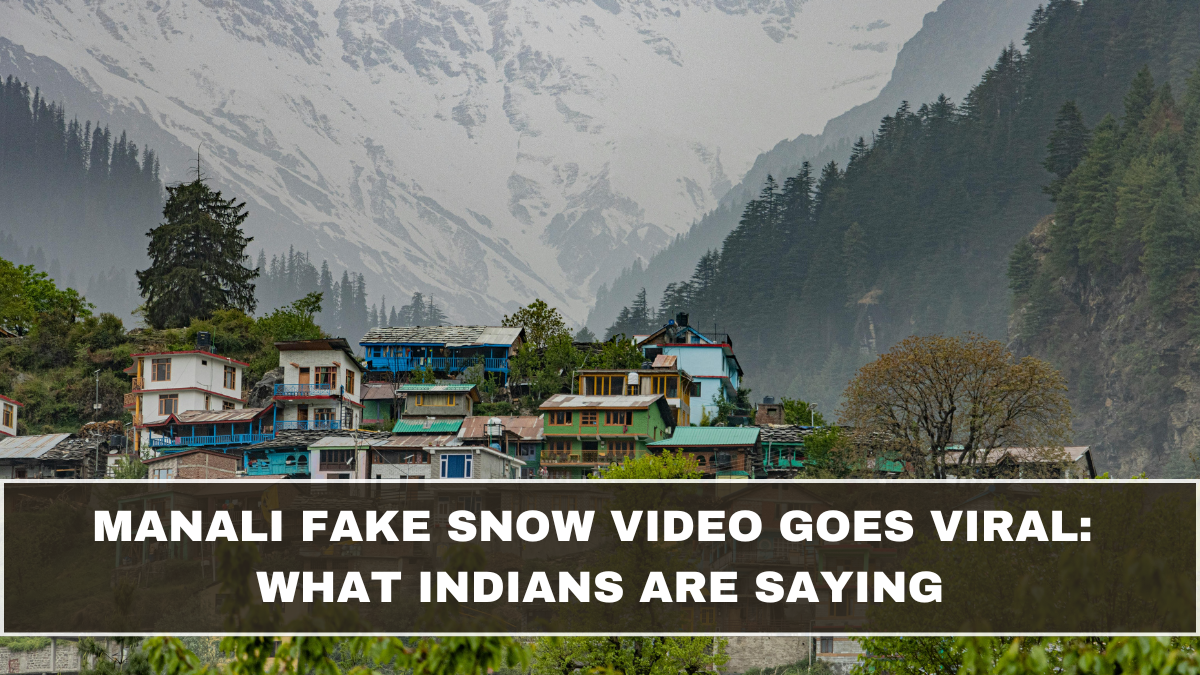
The Manali fake snow viral debate has taken social media by storm as a video shows artificial snow being used at skiing spots in the popular hill station. The clip has sparked discussions about authenticity in winter tourism, tourism marketing practices, and the expectations of visitors.
This trend highlights how digital platforms amplify curiosity and skepticism, making snow authenticity video debates a trending topic.
What the Video Shows
The video circulating online depicts:
• Ski slopes covered with artificial snow
• Tourists enjoying the “snow” unaware of its synthetic origin
• Contrasts with natural snowfall in nearby areas
• Reactions from locals and visitors
• Quick social media shares and commentary
These visuals triggered widespread discussion among Indian netizens.
Why It’s Sparking Debate
Several factors have made this clip go viral:
• Visitors’ expectations of natural snow in Manali
• Concerns about misleading tourism promotions
• Conversations about environmental and ethical implications of artificial snow
• Questions regarding costs and authenticity
• Social media engagement through memes and opinions
This combination has fueled the Manali fake snow viral debate.
Tourist Reactions
Online reactions range from humor to criticism:
• Some tourists find artificial snow amusing and share playful posts
• Others express disappointment about inflated expectations
• Travel bloggers debate transparency in tourism marketing
• Ski enthusiasts discuss the practical need for synthetic snow
• Fans of Manali share their past experiences with natural snowfall
These reactions show the divided public opinion.
Role of Social Media
The snow authenticity video trend grew due to:
• Rapid sharing across Instagram, X (Twitter), and TikTok-like platforms
• Viral hashtags like #ManaliSnow and #FakeSnowTrend
• Influencers weighing in with commentary and analysis
• Comment threads debating ethics, safety, and tourism standards
• Meme culture amplifying the humor and irony of the situation
Social media accelerates awareness and discussion about tourism authenticity.
Implications for Winter Tourism
The debate has broader significance:
• Pressure on tourism authorities for transparency
• Increased awareness among visitors about artificial snow practices
• Potential impact on Manali’s reputation and tourist satisfaction
• Opportunities for local businesses to highlight natural experiences
• Encourages sustainable tourism practices in the region
Tourism authenticity has become a key consideration for travelers.
Why Indians Are Interested
The viral discussion resonates due to:
• Manali’s iconic status as a winter destination
• Increasing travel content consumption online
• The blend of curiosity, humor, and controversy in the clip
• Interest in sustainable and ethical tourism
• Desire for shared experiences through social media discussion
This explains why the topic remains trending.
Conclusion
The Manali fake snow viral debate exemplifies how digital media can amplify curiosity, humor, and scrutiny in tourism. While some enjoy the novelty, others question authenticity and ethics. By examining reactions to the snow authenticity video, Indians are engaging in broader conversations about transparency, sustainability, and expectations in winter tourism.
FAQs
What is the Manali fake snow viral debate about?
A video showing artificial snow at ski resorts in Manali has sparked discussions on tourism authenticity.
Why are tourists concerned about artificial snow?
Visitors expected natural snowfall and feel misled when synthetic snow is used for skiing.
How is social media influencing the trend?
Platforms like Instagram and X amplify discussions through posts, memes, and hashtags.
What are the broader implications for winter tourism?
The debate encourages transparency, sustainable practices, and informed tourist expectations.
Can artificial snow be necessary for skiing?
Yes, it helps maintain ski slopes when natural snowfall is insufficient, though transparency is key.
Click here to know more.