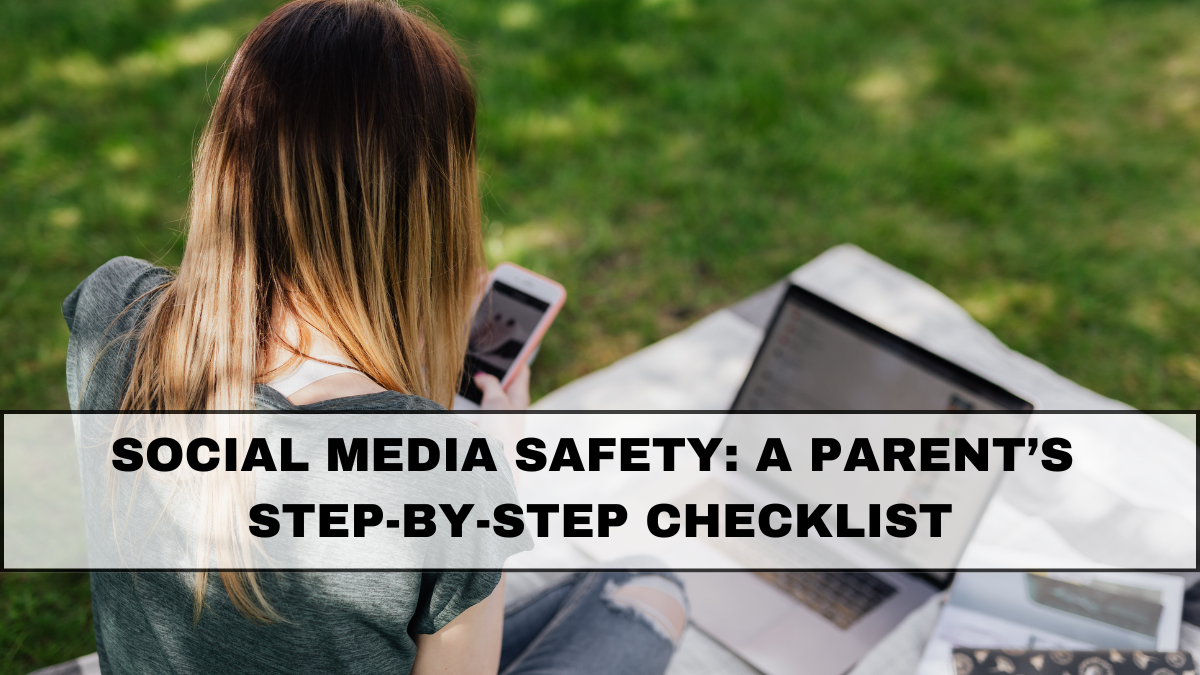
Social media is an integral part of teenage life in India, with platforms like Instagram, Snapchat, YouTube, and WhatsApp dominating daily routines. While these apps provide entertainment, learning, and social connection, they also pose risks including cyberbullying, online predators, inappropriate content, and privacy breaches. This makes social media safety tips for parents essential to guide teens toward safe digital habits.
Understand Your Teen’s Online World
The first step in ensuring online safety is understanding the platforms your teen uses. Parents should:
-
Explore social apps themselves to understand features and privacy settings
-
Know popular trends, challenges, and potential risks
-
Follow teen-friendly discussions about responsible online behavior
Being aware of the digital landscape helps parents make informed decisions and start open conversations with their teens about social media usage.
Set Up Privacy Checks
Privacy settings are the cornerstone of social media safety. Parents can help teens by:
-
Ensuring profiles are set to private instead of public
-
Limiting who can comment, message, or view posts
-
Reviewing friend lists and followers regularly
-
Monitoring app permissions and data-sharing settings
These steps reduce exposure to strangers, prevent oversharing, and give teens control over their personal information.
Use Parental Controls Wisely
Modern social apps and devices offer parental control tools that can help monitor screen time and app activity without being intrusive. Useful strategies include:
-
Setting daily screen time limits for social apps
-
Blocking inappropriate content or websites
-
Using parental apps to track app usage and set alerts for unsafe behavior
-
Reviewing app updates regularly for new safety features
Properly used, parental controls allow teens to enjoy social media safely while fostering responsible online habits.
Open Conversations About Risks
Open, non-judgmental discussions about social media are crucial. Parents should talk about:
-
Cyberbullying and reporting mechanisms
-
Online scams and phishing attempts
-
The permanence of digital posts and how they affect reputation
-
Emotional impacts of likes, comments, and peer pressure
These conversations encourage teens to speak up when they face challenges and understand the long-term consequences of online actions.
Teach Critical Thinking Online
Teens must learn to differentiate between reliable and unreliable content, fake accounts, and misleading information. Parents can guide them to:
-
Verify sources before sharing information
-
Avoid engaging in risky trends or viral challenges
-
Question friend requests and direct messages from strangers
-
Recognize online manipulation, such as scams or peer pressure
Building critical thinking ensures that teens remain safe and make informed choices while online.
Encourage Healthy Digital Habits
Social media safety is not just about avoiding risks—it’s about promoting balanced usage. Parents can:
-
Encourage scheduled breaks from social apps
-
Suggest offline hobbies and social activities
-
Set family “screen-free” zones and times
-
Model responsible online behavior themselves
These habits support mental wellness and prevent social media from becoming overwhelming or addictive.
Monitor Without Spying
Maintaining trust is key. Instead of secretly checking devices, parents can:
-
Ask for voluntary sharing of accounts or activities
-
Discuss online experiences regularly
-
Offer guidance on digital choices without judgment
This approach preserves the teen-parent relationship while ensuring social media safety.
Resources and Tools for Parents
Several tools and resources can help parents safeguard their teens online:
-
Google Family Link and Apple Screen Time for device management
-
Built-in privacy settings on Instagram, TikTok, and YouTube
-
Awareness programs on cyberbullying and online harassment
-
Community workshops and school-led digital safety initiatives
These tools empower parents to implement practical safety measures without controlling every online move.
Benefits of Following Social Media Safety Tips
By using these strategies, parents can:
-
Protect teens from cyberbullying, scams, and inappropriate content
-
Build trust and open communication about online behavior
-
Encourage responsible and mindful social media use
-
Support mental wellbeing by limiting stress and anxiety related to social media
Overall, a proactive approach creates a safer online environment for teens while promoting independence and confidence.
Conclusion
Social media is a powerful tool for connection, learning, and creativity, but it comes with risks. Following these social media safety tips for parents—including privacy checks, parental controls, open communication, and healthy digital habits—ensures that teens can enjoy the benefits of online platforms safely. Parents play a vital role in guiding, supporting, and teaching responsible online behavior, ultimately fostering trust and lifelong digital literacy.
FAQs
What are the top social media safety tips for parents?
Set privacy settings, use parental controls, have open conversations, and encourage critical thinking online.
How can parents monitor teens without invading privacy?
Engage in regular discussions, encourage voluntary sharing, and guide choices instead of secretly checking devices.
Which parental control tools work best in India?
Google Family Link, Apple Screen Time, and built-in controls on Instagram, TikTok, and YouTube are effective.
How do I talk to my teen about online risks?
Use non-judgmental conversations, share real-life examples, and focus on educating rather than punishing.
Why is social media balance important for teens?
Balanced use prevents stress, addiction, and exposure to harmful content, supporting mental wellbeing and healthy habits.
Click here to know more.