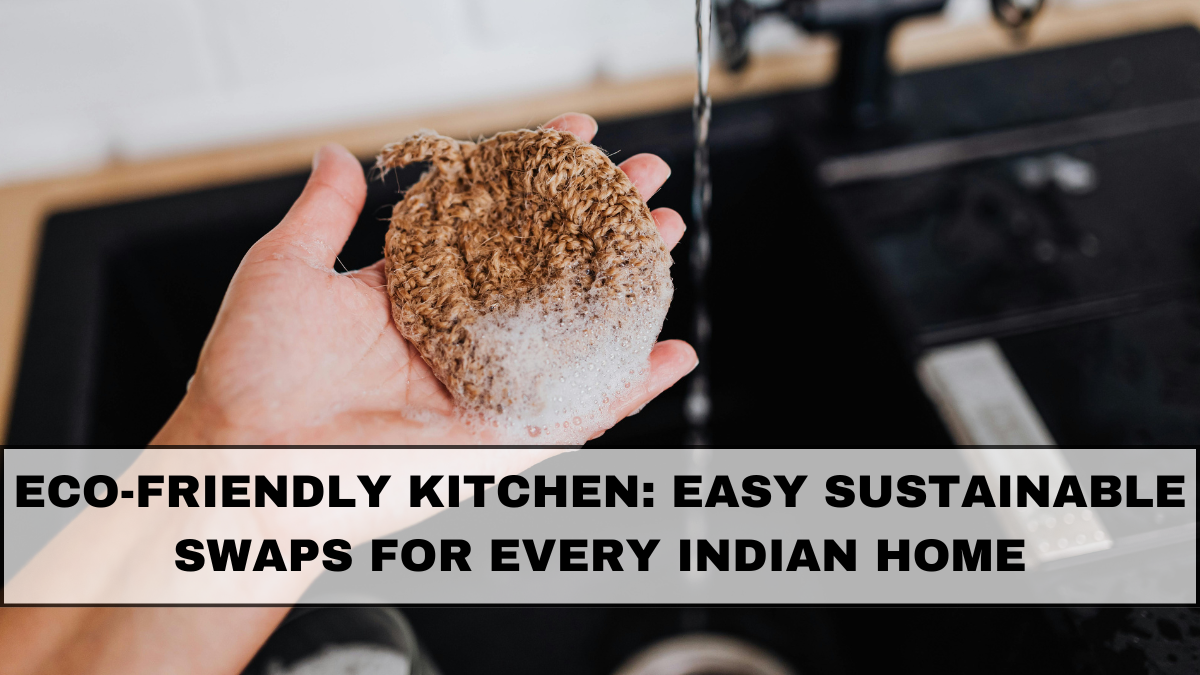
With growing awareness about environmental sustainability, eco-friendly kitchen swaps India have become a key topic for homeowners and cooking enthusiasts. Indian kitchens generate significant waste daily, from plastic packaging to disposable items. Making simple, sustainable changes not only reduces environmental impact but also promotes healthier living.
This guide explores practical eco-friendly swaps for Indian kitchens, from reusable products to zero-waste alternatives, helping families adopt a greener lifestyle without compromising convenience or style.

Why Adopt Eco-Friendly Kitchen Practices
-
Reduce Plastic Waste: Avoid single-use plastics like cling film, straws, and disposable cutlery.
-
Healthier Cooking: Using natural, sustainable materials reduces exposure to harmful chemicals.
-
Save Money: Reusable and durable products can be cost-effective over time.
-
Contribute to Sustainability: Small lifestyle changes collectively reduce carbon footprint and landfill waste.
-
Encourage Mindful Living: Eco-conscious kitchens promote conscious consumption and reduce unnecessary purchases.
Key Eco-Friendly Kitchen Swaps
1. Reusable Containers:
-
Replace disposable plastic bags and containers with glass, stainless steel, or BPA-free options.
-
Use airtight jars for grains, pulses, and spices, keeping food fresh while reducing waste.
2. Cloth or Jute Bags:
-
Use reusable cloth bags instead of plastic for groceries or storing dry items.
-
Jute bags are strong, biodegradable, and ideal for Indian household shopping habits.
3. Compostable Kitchen Waste Solutions:
-
Set up a small compost bin for vegetable peels, fruit scraps, and organic waste.
-
Convert kitchen waste into natural fertilizer for home plants or gardens.
4. Reusable Kitchen Wraps:
-
Beeswax wraps, silicone lids, or cloth covers replace cling film and aluminum foil.
-
Ideal for storing leftovers, covering bowls, or wrapping snacks.
5. Eco-Friendly Cleaning Tools:
-
Replace synthetic sponges and scrubbers with natural fiber options like coconut coir or loofah.
-
Use biodegradable detergents or soap nuts for dishes and cleaning tasks.
6. Sustainable Cookware:
-
Opt for stainless steel, cast iron, or ceramic cookware over non-stick options with harmful coatings.
-
Use energy-efficient induction cooktops or gas stoves to reduce energy consumption.
Zero-Waste Cooking Tips
-
Bulk Shopping: Purchase grains, pulses, and spices in bulk using reusable bags or jars.
-
Minimize Single-Use Products: Avoid disposable plates, cups, and cutlery, especially during gatherings.
-
Repurpose Leftovers: Turn vegetable scraps into soups, stocks, or chutneys.
-
Plan Meals Wisely: Reduces food waste and saves money.
-
DIY Cleaning Solutions: Make natural cleaners using vinegar, lemon, or baking soda.
Benefits of a Sustainable Kitchen for Indian Homes
-
Cost Efficiency: Long-term savings on disposable items and packaged goods.
-
Healthier Lifestyle: Minimizing plastic and chemicals promotes cleaner food preparation.
-
Eco-Conscious Habits: Encourages family members to be mindful about consumption.
-
Community Impact: Sets an example for neighbors and friends, promoting collective sustainability.
-
Aesthetic & Functional: Eco-friendly kitchens often feel cleaner, organized, and visually appealing.
How to Start an Eco-Friendly Kitchen
-
Begin with small swaps like reusable bags or glass jars.
-
Gradually replace disposable products with sustainable alternatives.
-
Educate family members about proper disposal, composting, and recycling.
-
Choose durable, multipurpose kitchenware instead of single-use items.
-
Monitor progress and celebrate small milestones, such as reducing waste by 50%.
FAQs
What are simple eco-friendly swaps for Indian kitchens?
Start with reusable containers, cloth bags, beeswax wraps, natural sponges, and composting kitchen waste. Gradually incorporate sustainable cookware and cleaning products.
How can Indian households reduce food waste?
Plan meals in advance, repurpose leftovers, buy only needed quantities, and compost organic waste.
Are eco-friendly products expensive?
Initial investment may be higher, but long-term savings and durability of items like stainless steel containers or glass jars make them cost-effective.
How do I start composting in a small Indian kitchen?
Use a small kitchen bin or container for vegetable and fruit scraps. Layer with dry leaves or paper and place it in a ventilated area. Compost can later be used for plants.
Can sustainable cooking be convenient for busy Indian families?
Yes. Reusable containers, bulk shopping, meal planning, and natural cleaning solutions make eco-friendly kitchens practical and time-efficient.
Conclusion
Eco-friendly kitchen swaps India are more than a trend—they are a lifestyle choice that benefits the environment, health, and family budget. By adopting reusable items, zero-waste practices, and mindful cooking habits, Indian households can reduce plastic usage, minimize food waste, and enjoy a cleaner, more organized kitchen.
Starting small and gradually making changes ensures that sustainability becomes a habit rather than a chore. With eco-conscious decisions, Indian homes can contribute positively to environmental conservation while maintaining convenience, functionality, and style in the kitchen.
Click here to know more.