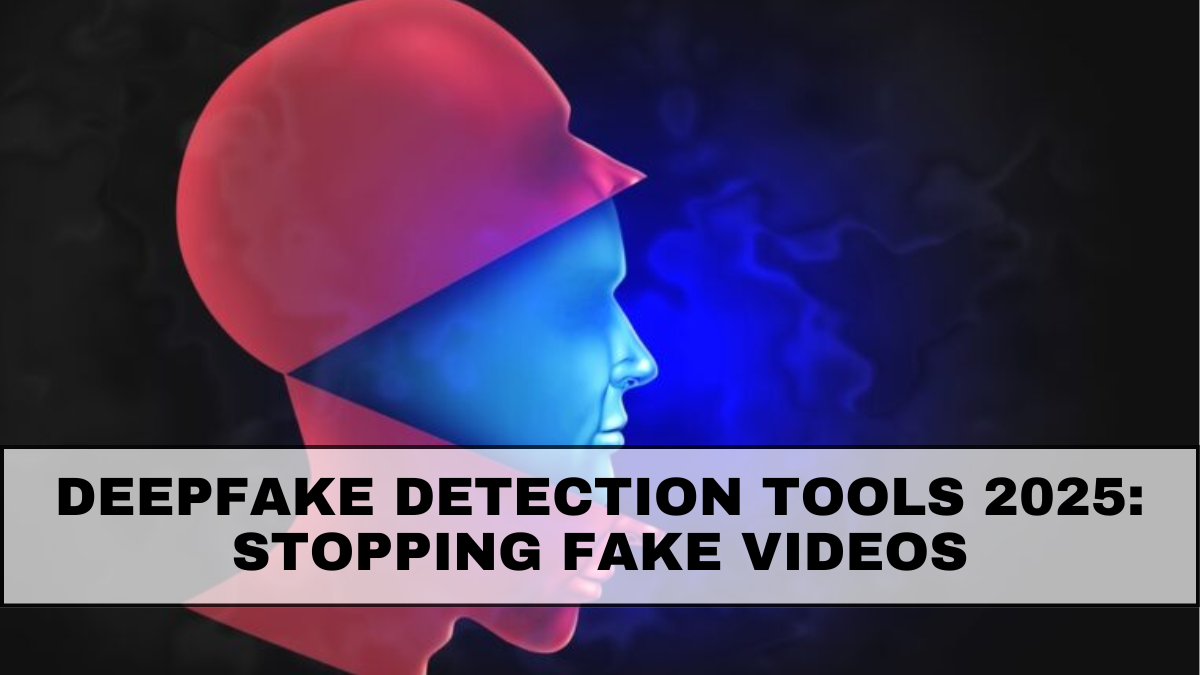
As the digital world becomes more immersive, Deepfake Detection 2025 has emerged as a crucial tool in combating misinformation. Deepfake videos—AI-generated media that manipulate appearances, voices, or actions—have become increasingly sophisticated, making it difficult for viewers to distinguish reality from fiction. In 2025, these manipulations are being used not just for entertainment, but for political misinformation, fraud, and identity theft. AI-powered detection tools are essential to maintain trust in digital content.
Deepfakes leverage advanced machine learning models to create hyper-realistic videos, often making it nearly impossible for the human eye to detect alterations. This rising threat has prompted tech companies, governments, and security organizations to invest heavily in detection tools that can identify subtle anomalies, inconsistencies, and digital fingerprints in videos.
How AI Detects Deepfakes
AI-based deepfake detection relies on several methods:
-
Facial and Voice Analysis: Algorithms identify irregular movements, lip-sync issues, or unnatural voice modulation.
-
Digital Fingerprinting: Detects hidden artifacts left by video editing software or generative models.
-
Behavioral Biometrics: Monitors unnatural gestures or microexpressions that do not align with human patterns.
-
Cross-Referencing Data: Compares suspicious videos against known authentic footage.
These techniques allow AI systems to flag manipulated content in real time, reducing the spread of misinformation online.
Applications of Deepfake Detection Tools
Deepfake detection tools are increasingly being used across industries:
-
Media Verification: News agencies verify video authenticity before broadcasting.
-
Corporate Security: Prevents fake videos used in scams or phishing attacks.
-
Government Oversight: Helps authorities monitor political misinformation or disinformation campaigns.
-
Social Media Platforms: Detects manipulated videos to protect users from fake content.
By integrating detection tools into workflows, organizations can mitigate reputational risks and improve public trust.
Challenges in Deepfake Detection
While AI detection tools are advancing, deepfakes are evolving even faster. Some challenges include:
-
Realism of Deepfakes: Newer generative models create almost flawless videos.
-
Volume of Content: Millions of videos are uploaded daily, making real-time detection challenging.
-
Resource Intensity: Advanced AI models require significant computing power and expertise.
Continuous innovation, collaboration, and updates are required to keep detection methods effective against emerging threats.
Conclusion
Deepfake Detection 2025 represents a critical step in securing the digital landscape. AI-powered tools help identify and stop fake videos, ensuring that media, corporate, and governmental communications remain trustworthy. As deepfakes become more sophisticated, staying updated with detection technology is essential for anyone interacting with digital content.
FAQs
What is a deepfake?
A deepfake is an AI-generated video or audio that manipulates someone’s appearance, voice, or actions.
How does AI detect deepfakes?
AI detects deepfakes by analyzing facial movements, voice patterns, digital artifacts, and inconsistencies in video content.
Why are deepfakes a threat?
They can spread misinformation, commit fraud, or damage reputations by making fake content appear real.
Can social media platforms stop deepfakes completely?
While detection tools reduce spread, it’s challenging to eliminate deepfakes entirely due to their rapid creation and distribution.
Who uses deepfake detection tools?
Media outlets, corporations, governments, and social media companies use these tools to verify content authenticity.